


















Popular
What motivates the main character, a firefighter, to take risks during the rescue operations?
How does the relationship between the firefighter and his love interest develop throughout the film?
What challenges does the firefighter face in balancing his personal life with his demanding job?
What role does the supporting cast play in highlighting the main character's journey?
How does the film depict the dangers and realities of firefighting?
Should I watch it?
Ask Your Own Question

What is the plot?
Sorry, we aren't able to watch and write up a full detailed plot yet. Check back in a few days.
More Movies Like This
Browse All Movies →





What is the ending?
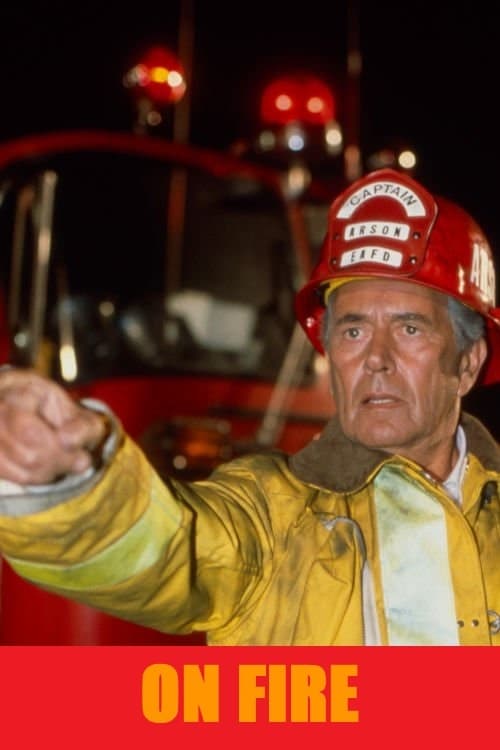
In the ending of "On Fire," the main character, a firefighter named Johnny, faces a critical moment as he confronts the flames that threaten to consume a building and the lives within it. He makes a heroic decision to save a trapped woman, risking his own life in the process. The film concludes with Johnny emerging from the blaze, battered but alive, having fulfilled his duty and solidified his commitment to his profession and the people he protects.
As the climax of "On Fire" unfolds, the tension escalates within the burning building. Johnny, portrayed with a mix of determination and fear, races against time to locate the trapped woman. The air is thick with smoke, and the heat is palpable, creating an oppressive atmosphere that mirrors Johnny's internal struggle. He is driven by a sense of duty, but also by a personal connection to the woman he is trying to save, which adds layers to his motivation.
Scene by scene, the narrative progresses as follows:
The first scene of the climax begins with Johnny and his fellow firefighters receiving the emergency call about the fire. The urgency in their movements is palpable as they gear up, adrenaline coursing through their veins. Johnny's face is set with resolve, but there is a flicker of doubt in his eyes, hinting at the fear of failure.
As they arrive at the scene, the building is engulfed in flames, and the chaos of the situation is evident. Firefighters are shouting orders, and the sound of sirens fills the air. Johnny's heart races as he spots the woman's silhouette in a window on the upper floor, her face a mask of terror. This moment crystallizes his purpose; he knows he must act.
The next scene shifts to Johnny entering the building, the heat intensifying with each step. The flames dance around him, casting eerie shadows on the walls. He navigates through the smoke, his breathing labored, and his vision blurred. The camera captures his struggle, emphasizing the physical toll the fire takes on him. He calls out for the woman, his voice strained but filled with hope.
As he reaches the floor where the woman is trapped, he finds her disoriented and frightened. Their eyes meet, and in that moment, a silent understanding passes between them. Johnny reassures her, his voice steady despite the chaos surrounding them. He knows that time is running out, and he must get her to safety.
The following scene depicts their escape. Johnny leads the woman through the treacherous hallways, the flames licking at their heels. The tension is palpable as they encounter obstacles--fallen debris and bursts of fire that threaten to block their path. Johnny's determination shines through as he pushes forward, embodying the spirit of a true hero.
Finally, they reach the exit, but just as they are about to escape, a sudden explosion rocks the building. Johnny instinctively shields the woman, taking the brunt of the blast. The screen fills with smoke and debris, and for a moment, it seems as if all hope is lost. The audience holds its breath, fearing for Johnny's fate.
In the aftermath of the explosion, the scene shifts to the outside of the building. Firefighters and paramedics rush to the scene, and the tension is thick as they search for Johnny. Moments later, he emerges from the smoke, battered and bruised but alive. The woman he saved is by his side, her gratitude evident in her tear-filled eyes. Johnny's expression is a mix of exhaustion and relief, knowing he has fulfilled his duty.
As the film concludes, the camera pans out, capturing the chaos of the scene and the bravery of the firefighters. Johnny stands tall, a symbol of resilience and courage. The fate of the main characters is clear: Johnny has survived, having proven his commitment to his role as a firefighter, while the woman he saved is given a second chance at life. The film closes on a note of hope, emphasizing the importance of bravery and selflessness in the face of danger.
Is there a post-credit scene?
The movie "On Fire," produced in 1987, does not have a post-credit scene. The film concludes its narrative without any additional scenes or content after the credits roll. The story wraps up with the resolution of the main plot, focusing on the characters' journeys and emotional arcs throughout the film.
What motivates the main character, a firefighter, to take risks during the rescue operations?
The main character, a dedicated firefighter, is driven by a deep sense of duty and a personal connection to the community he serves. His past experiences, including a traumatic incident where he lost a close friend in a fire, fuel his determination to save lives, often pushing him to take dangerous risks during rescue operations.
How does the relationship between the firefighter and his love interest develop throughout the film?
The relationship between the firefighter and his love interest evolves from a chance encounter to a deep emotional bond. Initially, their interactions are marked by tension and misunderstandings, but as they face various challenges together, including the dangers of his job, they grow closer, sharing intimate moments that reveal their vulnerabilities and fears.
What challenges does the firefighter face in balancing his personal life with his demanding job?
The firefighter struggles with the emotional toll of his job, which often leads to conflicts in his personal life. He grapples with feelings of guilt when he prioritizes work over family and relationships, leading to moments of isolation and frustration as he tries to maintain a semblance of normalcy amidst the chaos of his profession.
What role does the supporting cast play in highlighting the main character's journey?
The supporting cast, including fellow firefighters and family members, serves to reflect the main character's internal struggles and growth. Their interactions provide comic relief, emotional support, and moments of conflict that challenge his beliefs and decisions, ultimately shaping his journey and reinforcing the themes of camaraderie and sacrifice.
How does the film depict the dangers and realities of firefighting?
The film vividly portrays the dangers of firefighting through intense action sequences and realistic depictions of fire scenes. The cinematography captures the chaos and urgency of rescue operations, while the emotional weight of the characters' experiences highlights the physical and psychological challenges they face, creating a gripping narrative that emphasizes the heroism and sacrifices of firefighters.
Is this family friendly?
"On Fire," produced in 1987, is not considered family-friendly due to several potentially objectionable elements. The film contains intense scenes that may be upsetting for children or sensitive viewers, including:
- Violence and Action Sequences: The film features scenes of physical confrontations and explosions that may be distressing.
- Emotional Turmoil: Characters experience significant emotional struggles, including themes of loss and betrayal, which could be heavy for younger audiences.
- Mature Themes: The narrative explores complex adult relationships and moral dilemmas that may not be suitable for children.
- Tense Situations: There are moments of high tension and suspense that could provoke anxiety in sensitive viewers.
These aspects contribute to a viewing experience that may not be appropriate for all audiences, particularly younger children.








