

Popular
What are the main characteristics of Vladimir and Estragon in Waiting for Godot?
What role does the character of Lucky play in the story?
How does Pozzo's character evolve throughout the play?
What is the significance of the tree in Waiting for Godot?
What is the significance of the repeated phrase 'Nothing to be done' in the play?
Should I watch it?
Ask Your Own Question

What is the plot?
Sorry, we aren't able to watch and write up a full detailed plot yet. Check back in a few days.
More Movies Like This
Browse All Movies →


What is the ending?
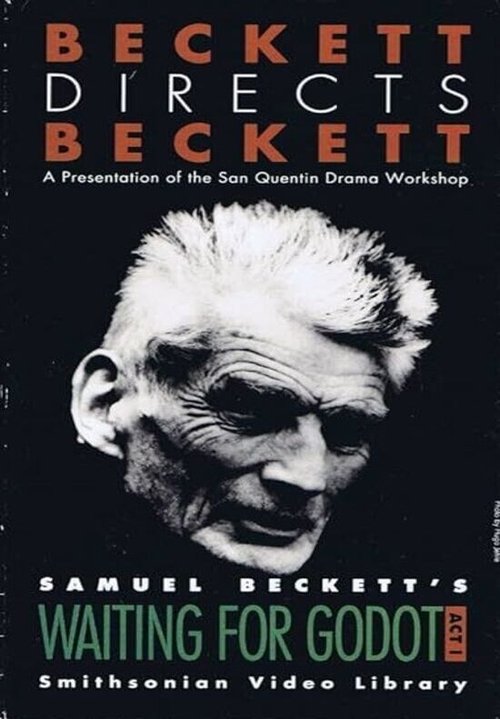
In the ending of "Beckett Directs Beckett: Waiting for Godot," the two main characters, Vladimir and Estragon, decide to leave the place where they have been waiting for Godot. However, they ultimately do not move, indicating their perpetual state of waiting and uncertainty.
As the film progresses towards its conclusion, the scene unfolds with Vladimir and Estragon still in their familiar setting, a desolate landscape with a single tree. The atmosphere is heavy with the weight of their existential discussions and the absurdity of their situation. They have been waiting for Godot, a figure who never arrives, and their conversations oscillate between hope and despair.
In the final moments, Vladimir and Estragon engage in their usual banter, filled with moments of humor and frustration. They contemplate leaving, but the act of departure seems to elude them. Estragon suggests they should go, but Vladimir insists they must wait for Godot. This back-and-forth highlights their dependency on each other and their inability to take decisive action.
As they prepare to leave, they hesitate, caught in a cycle of indecision. The tree, which has been a silent witness to their plight, stands as a symbol of their stasis. The film captures their emotional turmoil, showcasing their longing for meaning and connection in a world that offers none.
Ultimately, they decide to leave, but as they take a step, they stop and remain in place, echoing the play's central theme of waiting and the futility of their existence. The film concludes with the realization that they are trapped in their own inaction, forever waiting for something that may never come.
In this poignant ending, Vladimir and Estragon's fate is one of continued waiting and uncertainty. They are left in a state of limbo, embodying the essence of Beckett's exploration of the human condition, where the search for purpose is fraught with ambiguity and despair.
Is there a post-credit scene?
The movie "Beckett Directs Beckett: Waiting for Godot" does not contain a post-credit scene. The film is a straightforward adaptation of Samuel Beckett's iconic play, focusing on the themes of existentialism, waiting, and the human condition. It concludes with the final moments of the play, leaving the audience to reflect on the profound and often ambiguous messages conveyed throughout the performance. The absence of a post-credit scene aligns with the overall tone and structure of Beckett's work, emphasizing the cyclical nature of waiting and the unresolved questions that linger in the minds of the characters and the audience alike.
What are the main characteristics of Vladimir and Estragon in Waiting for Godot?
Vladimir and Estragon, the two main characters, are often seen as contrasting figures. Vladimir, often referred to as Didi, is more philosophical and contemplative, frequently pondering the nature of existence and the passage of time. He exhibits a sense of hope and a desire for meaning, often trying to maintain a sense of order in their chaotic situation. Estragon, or Gogo, is more practical and grounded, often focused on immediate physical needs, such as hunger and comfort. He is more emotional and tends to express despair more openly, frequently questioning their situation and the purpose of waiting.
What role does the character of Lucky play in the story?
Lucky is a servant to Pozzo and represents a complex dynamic of power and subservience. He is often seen as a symbol of oppression, as he is treated cruelly by Pozzo, who commands him to perform tasks and belittles him. Lucky's famous monologue, delivered in a frenzied and disjointed manner, reveals his inner turmoil and the chaos of his thoughts, reflecting the absurdity of existence. His character also highlights themes of dependency and the struggle for identity, as he oscillates between moments of clarity and confusion.
How does Pozzo's character evolve throughout the play?
Pozzo begins as a domineering figure, exuding confidence and authority over Lucky and the two main characters. He is self-assured and often engages in grandiose speeches, showcasing his perceived superiority. However, as the play progresses, particularly in the second act, Pozzo's character begins to unravel. He becomes increasingly vulnerable and disoriented, losing his sense of control and authority. This shift highlights the fragility of power and the absurdity of his earlier bravado, as he ultimately becomes dependent on others for support.
What is the significance of the tree in Waiting for Godot?
The tree serves as a central symbol in Waiting for Godot, representing hope, life, and the passage of time. In the first act, it is barren, reflecting the bleakness of the characters' situation and their existential despair. However, in the second act, it sprouts a few leaves, suggesting a glimmer of hope or change. The tree's presence anchors the characters' waiting, serving as a reminder of their stagnation and the cyclical nature of their existence, as they continue to wait for Godot, who never arrives.
What is the significance of the repeated phrase 'Nothing to be done' in the play?
The phrase 'Nothing to be done' encapsulates the central theme of inaction and the futility of existence in Waiting for Godot. It reflects the characters' resignation to their circumstances and the absurdity of their situation. This repetition emphasizes their sense of helplessness and the cyclical nature of their waiting, as they grapple with the meaning of their lives and the passage of time. It serves as a mantra that underscores their existential plight, highlighting the struggle to find purpose in a seemingly indifferent universe.
Is this family friendly?
"Beckett Directs Beckett: Waiting for Godot" is a theatrical adaptation of Samuel Beckett's play, which is known for its existential themes and complex emotional undertones. While the film itself is a directorial interpretation rather than a traditional narrative film, it does contain elements that may not be suitable for all audiences, particularly children or sensitive viewers.
-
Themes of Despair and Existentialism: The play explores deep philosophical questions about existence, purpose, and the human condition, which may be difficult for younger audiences to grasp and could evoke feelings of sadness or confusion.
-
Absurdity and Lack of Resolution: The characters wait for someone named Godot who never arrives, leading to a sense of frustration and futility that might be unsettling for viewers seeking a clear narrative or resolution.
-
Dark Humor: The play employs a form of dark humor that may not resonate well with all viewers, particularly children, who might not understand the nuances of the comedy intertwined with the bleakness.
-
Physicality and Vulnerability: The characters often display physical vulnerability and moments of despair, which could be distressing for sensitive viewers.
-
Dialogue on Death and Suffering: There are discussions and references to death, suffering, and the human experience that may be heavy and potentially upsetting for younger audiences.
Overall, while the film is a significant work of art, its themes and presentation may not be appropriate for children or those who are particularly sensitive to existential themes and darker emotional content.