



Popular
What role do the supporting characters play in the protagonist's journey?
How does the protagonist's relationship with her mother evolve throughout the film?
What is the significance of the cherry tree in the story?
How does the protagonist cope with her feelings of loneliness?
What are the key moments that highlight the protagonist's coming-of-age journey?
Should I watch it?
Ask Your Own Question

What is the plot?
Sorry, we aren't able to watch and write up a full detailed plot yet. Check back in a few days.


What is the ending?
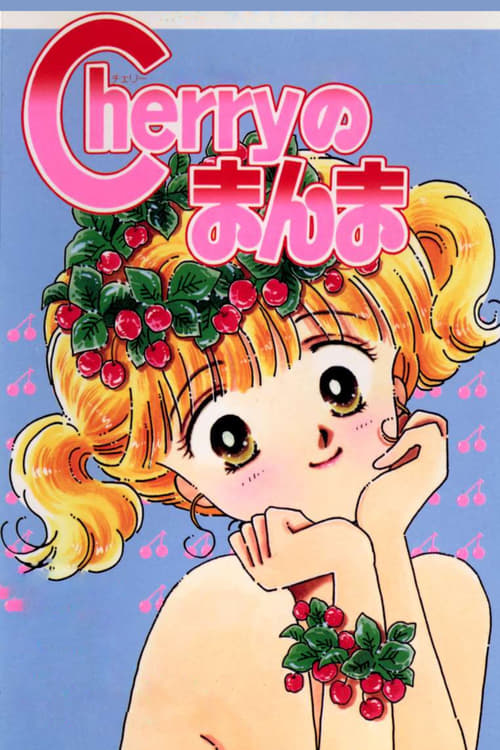
In the ending of "Cherry no Manma," the protagonist, a young girl named Yoko, confronts her feelings about her family and her own identity. After a series of emotional events, she finds a sense of closure and acceptance, leading to a bittersweet resolution for her relationships.
As the film approaches its conclusion, Yoko is seen grappling with her emotions and the complexities of her family dynamics. The final scenes unfold in a quiet, reflective manner, showcasing her growth and the impact of her experiences. The film ends with Yoko embracing her individuality and the bittersweet nature of her relationships, leaving the audience with a sense of hope and understanding.
As the final act of "Cherry no Manma" unfolds, the atmosphere is thick with tension and unresolved emotions. The scene opens in Yoko's home, where the air is heavy with unspoken words. Yoko, now more aware of her feelings and the complexities of her family, stands in her room, looking out the window. The sunlight filters through the curtains, casting a warm glow that contrasts with the turmoil inside her.
Yoko's mother enters the room, her expression a mix of concern and frustration. They engage in a heartfelt conversation, where Yoko finally voices her feelings of neglect and confusion. Her mother, taken aback, struggles to articulate her own emotions, revealing her own vulnerabilities. This moment is pivotal; it marks a turning point in their relationship. The camera captures the subtle shifts in their expressions, highlighting the weight of their words.
As the dialogue unfolds, Yoko's internal conflict becomes palpable. She feels torn between her desire for her mother's approval and her need for independence. The scene is interspersed with flashbacks of happier times, juxtaposing the current tension with memories of joy. This technique deepens the emotional resonance, allowing the audience to feel Yoko's struggle.
The next scene transitions to a family gathering, where Yoko's father is present. The atmosphere is tense, filled with awkward silences and forced smiles. Yoko observes her parents interacting, noting the distance that has grown between them. Her father's attempts to lighten the mood fall flat, and Yoko feels a sense of isolation amidst the familial chaos. The camera lingers on her face, capturing the sadness and longing for connection.
In a moment of clarity, Yoko steps outside, seeking solace in nature. The cherry blossoms are in full bloom, their delicate petals swirling in the breeze. This visual metaphor represents Yoko's own journey of growth and transformation. As she walks among the trees, she reflects on her identity and the relationships that have shaped her. The beauty of the blossoms contrasts with her internal struggle, symbolizing the bittersweet nature of life.
The climax of the film occurs when Yoko returns home and confronts her parents. In a powerful scene, she articulates her feelings of being overlooked and misunderstood. Her voice trembles with emotion as she expresses her desire for them to truly see her. This confrontation is raw and honest, showcasing Yoko's growth from a passive observer to an active participant in her own life.
Her parents, initially defensive, begin to understand the depth of Yoko's pain. The scene shifts as they engage in a heartfelt dialogue, breaking down the barriers that have kept them apart. The camera captures their expressions, revealing the dawning realization of their shortcomings as parents. This moment of vulnerability is crucial, as it signifies a turning point for the family.
As the film draws to a close, Yoko finds herself standing alone beneath the cherry trees once more. The petals continue to fall around her, creating a serene yet poignant backdrop. She takes a deep breath, a sense of acceptance washing over her. The final shot lingers on her face, a mixture of sadness and hope, as she embraces her individuality and the complexities of her relationships.
In the end, Yoko's journey is one of self-discovery and acceptance. Her parents, having faced their own shortcomings, begin to understand the importance of communication and connection. The film concludes with a sense of bittersweet resolution, leaving the audience with a poignant reminder of the complexities of family and the beauty of personal growth.
Is there a post-credit scene?
The movie "Cherry no Manma," produced in 1989, does not feature a post-credit scene. The film concludes its narrative without any additional scenes or content after the credits roll. The story wraps up with a focus on the emotional journey of the characters, leaving the audience with a sense of closure regarding their arcs and experiences. The absence of a post-credit scene aligns with the film's overall tone and thematic resolution, emphasizing the personal growth and relationships developed throughout the story.
What role do the supporting characters play in the protagonist's journey?
Supporting characters, such as friends and mentors, play crucial roles in shaping the protagonist's experiences and emotional growth. They provide contrasting perspectives on life and love, helping her navigate her feelings and ultimately influencing her decisions regarding her future.
How does the protagonist's relationship with her mother evolve throughout the film?
The protagonist's relationship with her mother is complex and evolves from one of misunderstanding and conflict to a deeper connection. Initially, the protagonist feels stifled by her mother's expectations, but as the story progresses, they begin to communicate more openly, leading to moments of reconciliation and mutual understanding.
What is the significance of the cherry tree in the story?
The cherry tree serves as a central symbol in 'Cherry no Manma,' representing the fleeting nature of youth and beauty. It is a place where key emotional moments unfold, particularly for the protagonist, who reflects on her childhood and the bittersweet memories associated with it.
How does the protagonist cope with her feelings of loneliness?
The protagonist copes with her feelings of loneliness through introspection and her connection to the cherry tree. She often retreats to this space to reflect on her emotions, and her interactions with the tree symbolize her search for solace and understanding in a world that feels isolating.
What are the key moments that highlight the protagonist's coming-of-age journey?
Key moments in the protagonist's coming-of-age journey include her first experiences with love and heartbreak, her confrontations with her mother, and her moments of self-discovery under the cherry tree. Each of these scenes is rich with emotional depth, showcasing her struggles and triumphs as she transitions from childhood to adulthood.
Is this family friendly?
"Cherry no Manma," produced in 1989, is a film that explores themes of adolescence, family dynamics, and personal growth. While it has a charming narrative, there are several aspects that may be considered objectionable or upsetting for children or sensitive viewers.
-
Parental Conflict: The film features scenes of tension and conflict between family members, which may be distressing for younger viewers who are sensitive to familial discord.
-
Emotional Struggles: Characters experience significant emotional turmoil, including feelings of loneliness, confusion, and sadness, which may resonate deeply and evoke strong feelings.
-
Themes of Loss: There are moments that touch on loss and the impact it has on relationships, which could be upsetting for children who may not fully understand these concepts.
-
Mature Themes: The film addresses themes of growing up and the challenges that come with it, including the complexities of relationships and self-identity, which may be more suitable for older audiences.
-
Visual Imagery: Some scenes may contain visual elements that are intense or evoke a sense of discomfort, particularly in the context of emotional struggles.
Overall, while "Cherry no Manma" has a heartfelt story, its exploration of deeper emotional themes and family issues may not be entirely suitable for younger audiences or those who are particularly sensitive to such topics.








