



















Popular
Who are the main characters in L.A. Takedown and what are their roles?
What motivates Neil McCauley in his criminal activities?
How does Detective Vincent Hanna's personal life affect his work?
What is the significance of the bank heist scene in L.A. Takedown?
How does the relationship between Neil McCauley and Eady develop throughout the film?
Should I watch it?
Ask Your Own Question

What is the plot?
Sorry, we aren't able to watch and write up a full detailed plot yet. Check back in a few days.

What is the ending?
In the ending of "L.A. Takedown," the film culminates in a tense confrontation between the police and the criminals. The main characters, including the determined detective Vincent Hanna and the skilled thief Neil McCauley, face off in a dramatic showdown. The film concludes with a tragic resolution, as both Hanna and McCauley confront their fates, leading to a violent climax that leaves a lasting impact on their lives.
As the final act unfolds, the tension escalates. The scene opens with Neil McCauley, portrayed as a meticulous and focused criminal, preparing for one last heist. He is aware that the police, led by Vincent Hanna, are closing in on him. The atmosphere is thick with anticipation as McCauley gathers his crew, each member aware of the stakes involved. The heist is executed with precision, showcasing McCauley's expertise and the camaraderie among his team.
Meanwhile, Detective Vincent Hanna, a man driven by his relentless pursuit of justice, is shown in his element, piecing together clues and strategizing with his team. His personal life is in disarray, reflecting the toll his job takes on his relationships. The emotional weight of his obsession with catching McCauley is palpable, as he grapples with the sacrifices he has made.
As the heist unfolds, the police are alerted, and a high-stakes chase ensues. The tension is palpable as both sides engage in a cat-and-mouse game through the streets of Los Angeles. The cinematography captures the chaos and urgency of the moment, with sirens blaring and gunfire echoing through the city. McCauley's crew begins to unravel under pressure, leading to a series of intense confrontations.
In a pivotal moment, McCauley finds himself cornered. The emotional stakes rise as he reflects on his life choices, the relationships he has sacrificed, and the inevitability of his fate. The confrontation with Hanna becomes not just a physical battle but a clash of ideologies. Both men are portrayed as two sides of the same coin, each driven by their own code of ethics.
The climax reaches its peak in a dramatic shootout. McCauley, realizing the futility of escape, faces Hanna in a final showdown. The scene is charged with emotion as both characters confront their destinies. McCauley is ultimately shot, falling to the ground, a look of acceptance on his face as he acknowledges the end of his criminal life. Hanna, though victorious, is left with a heavy heart, reflecting on the cost of his pursuit.
In the aftermath, the film closes with Hanna standing over McCauley's lifeless body, a mix of triumph and sorrow etched on his face. The weight of their confrontation lingers, highlighting the tragic consequences of their choices. The film ends on a somber note, emphasizing the personal sacrifices made in the name of duty and the inescapable nature of fate for both the hunter and the hunted.
Is there a post-credit scene?
L.A. Takedown, produced in 1989, does not have a post-credit scene. The film concludes without any additional scenes or content after the credits roll. The story wraps up with the resolution of the main conflict between the police and the criminals, leaving the audience with a sense of closure regarding the characters and their fates.
Who are the main characters in L.A. Takedown and what are their roles?
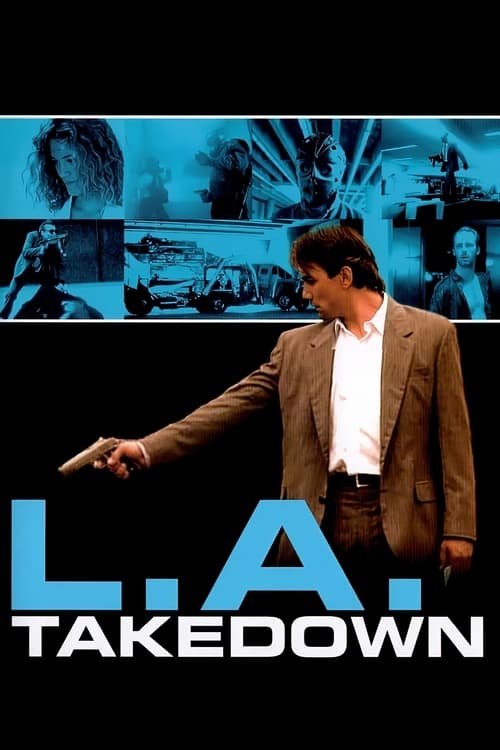
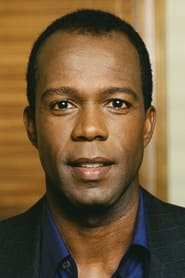
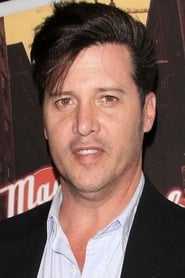
The main characters in L.A. Takedown include Detective Vincent Hanna, played by Michael Mann, who is a dedicated and intense LAPD detective determined to bring down a group of professional bank robbers. Neil McCauley, portrayed by Scott Plank, is the leader of the criminal gang, characterized by his meticulous planning and strong moral code. Other significant characters include Chris Shiherlis, a member of McCauley's crew, and Eady, McCauley's love interest, who represents his desire for a normal life.
What motivates Neil McCauley in his criminal activities?
Neil McCauley is driven by a combination of ambition and a personal code of ethics. He is portrayed as a professional thief who values loyalty and precision in his work. Despite his criminal lifestyle, he seeks to maintain a sense of honor and is deeply conflicted about the impact of his actions on his relationships, particularly with Eady, who represents a potential escape from his life of crime.
How does Detective Vincent Hanna's personal life affect his work?
Detective Vincent Hanna's personal life is tumultuous and deeply affects his work. He is shown to be estranged from his wife, who is frustrated with his obsession with his job. This strain leads to emotional turmoil, as Hanna struggles to balance his dedication to law enforcement with the needs of his family. His relentless pursuit of McCauley often puts him at odds with his personal relationships, highlighting his internal conflict and the sacrifices he makes for his career.
What is the significance of the bank heist scene in L.A. Takedown?
The bank heist scene is pivotal in L.A. Takedown, showcasing the meticulous planning and execution of McCauley's crew. It is a tense and action-packed sequence that highlights the professionalism of the criminals and the chaos that ensues when things go awry. This scene serves as a turning point in the film, escalating the cat-and-mouse game between Hanna and McCauley, and setting the stage for the inevitable confrontation between law enforcement and the criminal underworld.
How does the relationship between Neil McCauley and Eady develop throughout the film?
The relationship between Neil McCauley and Eady develops from a chance encounter into a deep emotional connection. Initially, Eady is drawn to McCauley's charm and confidence, unaware of his criminal background. As their relationship progresses, McCauley grapples with his feelings for her and the reality of his life as a criminal. Eady represents a potential future for him, one that contrasts sharply with his current lifestyle, leading to moments of vulnerability and conflict as he tries to reconcile his love for her with his commitment to his criminal activities.
Is this family friendly?
"L.A. Takedown," produced in 1989, is not considered family-friendly due to its mature themes and content. Here are some potentially objectionable or upsetting aspects that may occur for children or sensitive viewers:
-
Violence: The film contains several scenes of intense violence, including shootouts and confrontations that may be graphic and disturbing.
-
Crime and Criminal Behavior: The plot revolves around a group of criminals and their heists, showcasing illegal activities that may not be suitable for younger audiences.
-
Strong Language: There is frequent use of profanity throughout the film, which may be inappropriate for children.
-
Emotional Turmoil: Characters experience significant emotional distress, including betrayal, loss, and moral dilemmas, which could be upsetting for sensitive viewers.
-
Death and Injury: The film depicts the consequences of crime, including injuries and fatalities, which may be distressing.
These elements contribute to a tone that is more appropriate for adult audiences rather than children.









