












Ask Your Own Question
What is the plot?
Sorry, we aren't able to watch and write up a full detailed plot yet. Check back in a few days.
What is the ending?
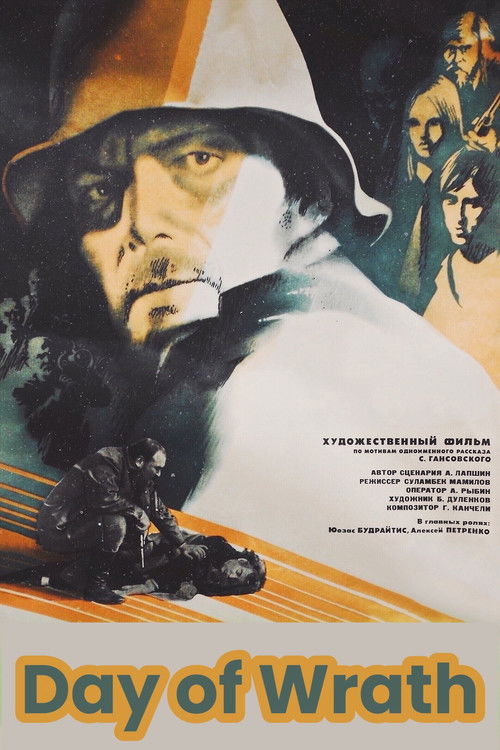
In the ending of the movie "Day of Wrath" (1985), the protagonist, a young woman named Anne, faces a tragic fate as she is accused of witchcraft. Despite her innocence, she is condemned and ultimately meets her demise. The film concludes with a somber reflection on the consequences of fear and superstition.
As the final act unfolds, the tension escalates in the small village where Anne resides. The atmosphere is thick with paranoia, fueled by the recent events surrounding the witch trials. Anne, who has been a victim of circumstance, finds herself increasingly isolated as the townspeople turn against her.
Scene by scene, the narrative progresses as follows:
The villagers gather in the town square, their faces etched with fear and suspicion. Whispers of witchcraft circulate, and Anne's name is mentioned among the accused. The camera captures the anxious expressions of the townsfolk, their eyes darting around as they seek a scapegoat for their troubles. Anne stands at the center, her heart racing, feeling the weight of their judgment.
In a pivotal moment, Anne's former lover, a man named Peter, is torn between his feelings for her and the pressure from the community. He watches helplessly as the accusations mount against her. His internal conflict is palpable; he wants to defend her but fears the repercussions of standing against the mob. The camera lingers on his face, showcasing the turmoil within him.
As the trial begins, Anne is brought before the villagers, her hands bound. The atmosphere is charged with hostility. The village elder, a figure of authority, leads the proceedings with a stern demeanor. Anne pleads her innocence, her voice trembling with desperation. The villagers, however, are unmoved, their minds clouded by fear and superstition. The elder's gavel strikes down, sealing her fate.
In a heart-wrenching scene, Anne is taken to the stake, where she is to be executed. The flames flicker ominously in the background, casting a haunting glow on her face. She stands resolute, her spirit unbroken despite the impending doom. The camera captures her final moments, a mixture of fear and defiance in her eyes. As the flames engulf her, the villagers watch, some with regret, others with a sense of vindication.
Peter, witnessing the horror unfold, is left in a state of despair. He realizes too late the consequences of his inaction. The film closes on his anguished expression, a haunting reminder of the cost of silence in the face of injustice. The final shot lingers on the smoldering ashes, symbolizing the destruction wrought by fear and the tragic loss of an innocent life.
In the end, Anne's fate serves as a poignant commentary on the dangers of hysteria and the fragility of truth in a world consumed by fear. The villagers, once united in their beliefs, are left fractured, grappling with the aftermath of their actions. The film concludes with a somber reflection on the human condition, leaving the audience to ponder the consequences of their choices.
Is there a post-credit scene?
The movie "Day of Wrath," produced in 1985, does not have a post-credit scene. The film concludes its narrative without any additional scenes or content after the credits roll. The story wraps up with a focus on the themes of fate, morality, and the consequences of one's actions, leaving the audience to reflect on the events that have transpired.
What is the significance of the character of the witch in Day of Wrath?
In 'Day of Wrath', the witch serves as a pivotal character representing the fear and paranoia surrounding witchcraft during the time period. Her presence incites suspicion and ultimately leads to tragic consequences for the other characters, particularly for the protagonist, who grapples with her own beliefs and the societal pressures surrounding her.
How does the relationship between the main character and the witch evolve throughout the film?
The relationship between the main character, Anne, and the witch begins with Anne's initial fear and disdain for the witch, who is seen as a societal outcast. As the story progresses, Anne's internal conflict grows, leading her to question her own beliefs and the morality of the witch hunts, ultimately culminating in a tragic confrontation that highlights the destructive nature of fear and ignorance.
What role does the setting play in the development of the plot in Day of Wrath?
The setting of 'Day of Wrath' is crucial to the plot, as it takes place in a small, isolated village during a time of religious fervor and superstition. The oppressive atmosphere of the village, with its dark, foreboding landscapes and tight-knit community, amplifies the tension and paranoia that drives the characters to make desperate choices, ultimately leading to the tragic events of the story.
How does the character of Anne struggle with her identity throughout the film?
Anne's struggle with her identity is central to 'Day of Wrath'. Initially, she is portrayed as a dutiful daughter and a devoted wife, but as the witch trials unfold, she begins to question her role in society and her own beliefs. Her internal conflict is marked by moments of doubt, fear, and a longing for freedom, which ultimately leads her to make choices that defy societal expectations, reflecting her desire for autonomy.
What are the consequences of the villagers' actions towards the witch in the film?
The villagers' actions towards the witch in 'Day of Wrath' have dire consequences, not only for the witch herself but also for the community as a whole. Their collective hysteria and willingness to condemn the witch without evidence lead to a cycle of violence and retribution, resulting in the loss of innocent lives and the unraveling of the social fabric of the village, highlighting the destructive power of fear and mob mentality.
Is this family friendly?
"Day of Wrath," produced in 1985, is not considered family-friendly due to its mature themes and intense emotional content. The film explores complex issues such as betrayal, jealousy, and the consequences of revenge, which may be difficult for children or sensitive viewers to process.
Potentially objectionable or upsetting aspects include:
- Violence and Death: The film contains scenes that depict violence and the aftermath of death, which may be distressing.
- Emotional Turmoil: Characters experience intense emotional struggles, including feelings of betrayal and despair, which could be unsettling.
- Themes of Betrayal and Revenge: The narrative delves into dark themes that explore the consequences of revenge and the impact of betrayal on relationships.
- Mature Relationships: The film includes complex adult relationships that may not be suitable for younger audiences.
Overall, the film's heavy themes and emotional weight make it more appropriate for mature viewers.