

Popular
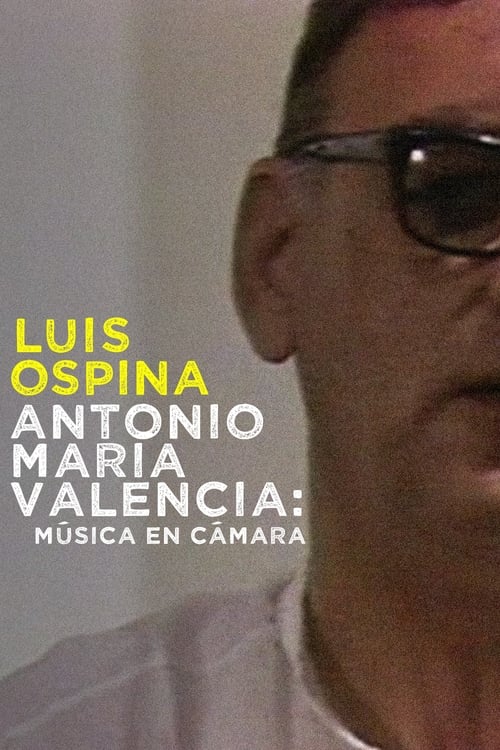
What role does Antonio María Valencia play in the film?
How does Valencia's music influence the other characters in the film?
What challenges does Valencia face in his career throughout the film?
How does the film depict Valencia's relationships with his family?
What is the significance of the setting in Valencia's story?
Should I watch it?
Ask Your Own Question

What is the plot?
Sorry, we aren't able to watch and write up a full detailed plot yet. Check back in a few days.
More Movies Like This
Browse All Movies →





What is the ending?
In the ending of "Antonio María Valencia: Music on Camera," the film culminates in a poignant moment where the protagonist, Antonio María Valencia, reflects on his life and the impact of music on his journey. The film closes with a sense of resolution as Valencia embraces his legacy, surrounded by the echoes of his compositions.
As the final scenes unfold, we see Antonio María Valencia in a dimly lit room, surrounded by his musical scores and instruments. The atmosphere is heavy with nostalgia, and the camera captures the lines of age on his face, revealing a lifetime of passion and dedication to music. He sits at the piano, his fingers gently caressing the keys, as he plays a haunting melody that resonates with both joy and sorrow. The music serves as a reflection of his inner turmoil and triumphs, encapsulating the essence of his character.
In the next scene, we transition to a gathering of friends and fellow musicians who have come to honor Valencia's contributions to the world of music. The room is filled with warmth and camaraderie, as they share stories and reminisce about their experiences with him. Valencia listens intently, a soft smile on his face, but there is a hint of sadness in his eyes as he contemplates the passage of time and the legacy he will leave behind.
As the evening progresses, Valencia stands to address his friends. His voice trembles with emotion as he expresses gratitude for their support throughout his career. He speaks of the power of music to connect people and evoke deep emotions, emphasizing that his journey has always been about more than just personal success. The camera captures the faces of his friends, reflecting admiration and respect, as they nod in agreement with his heartfelt words.
In the final moments, Valencia steps outside into the night, where the stars twinkle above him. He takes a deep breath, feeling the cool air fill his lungs, and closes his eyes, allowing the sounds of the night to wash over him. The film ends with a lingering shot of Valencia standing alone, yet at peace, as the music fades into the background, symbolizing the enduring impact of his artistry.
The fate of Antonio María Valencia is one of reflection and acceptance. He has come to terms with his life's work and the relationships he has built, leaving behind a legacy that will continue to inspire others. The film closes on a note of hope, suggesting that while Valencia may be stepping into the twilight of his life, his music will live on, touching the hearts of future generations.
Is there a post-credit scene?
The movie "Antonio María Valencia: Music on Camera," produced in 1987, does not feature a post-credit scene. The film concludes with a poignant reflection on the life and contributions of the composer Antonio María Valencia, focusing on his musical legacy and the emotional impact of his work. The ending encapsulates the essence of his artistry, leaving the audience with a sense of closure and appreciation for his influence on music.
What role does Antonio María Valencia play in the film?
Antonio María Valencia is portrayed as a passionate and dedicated musician whose life and work are central to the narrative. His character embodies the struggles and triumphs of a composer navigating the complexities of his artistic journey.
How does Valencia's music influence the other characters in the film?
Valencia's music serves as a catalyst for emotional connections among the characters, inspiring them to confront their own challenges and aspirations. His compositions evoke deep feelings, leading to moments of reflection and transformation for those around him.
What challenges does Valencia face in his career throughout the film?
Throughout the film, Valencia faces numerous challenges, including societal expectations, personal doubts, and the struggle for recognition in a competitive musical landscape. These obstacles test his resolve and commitment to his art.
How does the film depict Valencia's relationships with his family?
The film explores Valencia's complex relationships with his family, highlighting the tension between his artistic ambitions and their expectations. These dynamics reveal his internal conflicts and the sacrifices he makes for his music.
What is the significance of the setting in Valencia's story?
The setting plays a crucial role in Valencia's story, reflecting the cultural and historical context of his life. The locations serve as backdrops for key moments in his journey, influencing his experiences and the development of his character.
Is this family friendly?
"A Antonio María Valencia: Music on Camera" is a biographical film that explores the life and work of the Ecuadorian composer Antonio María Valencia. While the film primarily focuses on his musical journey and contributions, it does touch on themes that may be sensitive for some viewers.
-
Historical Context: The film delves into the socio-political environment of Ecuador during Valencia's life, which may include references to conflict or hardship that could be unsettling for younger audiences.
-
Personal Struggles: There are scenes that depict Valencia's personal challenges, including moments of frustration and emotional turmoil related to his artistic pursuits and the struggles of being a composer in a changing world.
-
Cultural Depictions: The film may include portrayals of societal issues or cultural tensions that could be complex for children to understand fully.
-
Emotional Depth: The film captures the emotional weight of Valencia's experiences, which may resonate deeply with sensitive viewers, potentially evoking feelings of sadness or empathy.
Overall, while the film is centered around music and creativity, its exploration of deeper themes may require parental guidance for younger viewers or those who are particularly sensitive to emotional or historical content.