












Popular
What motivates Yang Wen-li to join the military despite his initial reluctance?
How does Reinhard von Lohengramm's ambition shape his character throughout the film?
What is the significance of the relationship between Yang Wen-li and Reinhard von Lohengramm?
How does the film portray the impact of war on the characters, particularly on Yang and Reinhard?
What role does the concept of fate play in the interactions between Yang and Reinhard?
Should I watch it?
Ask Your Own Question

What is the plot?
Sorry, we aren't able to watch and write up a full detailed plot yet. Check back in a few days.








What is the ending?
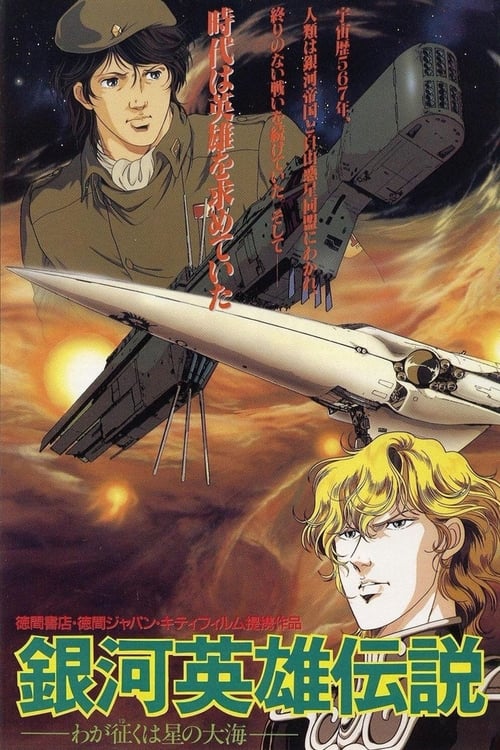
In the ending of "Legend of the Galactic Heroes: My Conquest Is the Sea of Stars," the conflict between the Galactic Empire and the Free Planets Alliance reaches a critical point. Reinhard von Lohengramm, a brilliant strategist of the Empire, faces off against Yang Wen-li, a tactician of the Alliance. The two engage in a battle that showcases their respective strengths and philosophies. Ultimately, the battle concludes with a stalemate, and both characters are left contemplating the futility of war and the burdens of leadership.
As the film progresses towards its conclusion, we see Reinhard and Yang's forces preparing for a decisive confrontation. The tension is palpable as both sides mobilize their fleets, each aware that the outcome could shift the balance of power in the galaxy.
Scene by scene, the narrative unfolds:
The first scene of the climax begins with Reinhard's fleet, a magnificent array of ships glimmering against the backdrop of space. Reinhard stands on the bridge of his flagship, exuding confidence and determination. His internal thoughts reveal a man driven by ambition and a desire to reshape the galaxy, yet he is also haunted by the sacrifices required to achieve his goals. He reflects on the cost of his rise to power, feeling the weight of the lives lost in his pursuit.
Meanwhile, on the other side, Yang Wen-li prepares his forces with a calm demeanor. He is surrounded by his loyal officers, who respect him for his strategic brilliance and humane approach to warfare. Yang's thoughts are filled with doubt and concern for the lives of his men. He understands the stakes of the battle and the potential for loss, yet he remains committed to defending the ideals of freedom and democracy that the Alliance represents.
As the battle commences, the screen fills with the chaos of war. Ships exchange fire, and the vastness of space becomes a theater of destruction. The animation captures the intensity of the conflict, with explosions illuminating the dark void. Both Reinhard and Yang demonstrate their tactical prowess, maneuvering their fleets with precision. The audience witnesses the clash of ideologies as each commander fights not just for victory, but for their vision of the future.
In a pivotal moment, Reinhard and Yang's ships come face to face. The tension escalates as they engage in a direct confrontation. The dialogue between them is charged with mutual respect and understanding, revealing their recognition of each other's capabilities. They are not merely enemies; they are two sides of the same coin, each embodying the complexities of leadership and the burdens of command.
As the battle reaches its climax, both commanders realize that victory may come at too great a cost. The realization dawns on them that the cycle of conflict may never truly end, and the sacrifices made in the name of ambition and ideology can lead to endless suffering. In a moment of clarity, they both decide to withdraw their forces, recognizing the futility of further bloodshed.
The film concludes with a poignant scene of reflection. Reinhard stands on the bridge of his ship, looking out into the vastness of space, contemplating the future he wishes to create. He is a man who has achieved much but is left with the haunting knowledge of what he has sacrificed. Yang, on the other hand, returns to his command, burdened yet resolute, understanding that the fight for freedom is ongoing and that he must continue to lead with compassion and wisdom.
In the end, both characters are left with their respective fates intertwined with the larger narrative of the galaxy. Reinhard's ambition remains unquenched, while Yang's commitment to his ideals persists, setting the stage for future conflicts and the ongoing struggle between tyranny and freedom. The film closes on a note of uncertainty, leaving the audience to ponder the implications of leadership, sacrifice, and the true cost of war.
Is there a post-credit scene?
"Legend of the Galactic Heroes: My Conquest Is the Sea of Stars" does not have a post-credit scene. The film concludes with a focus on the central themes of conflict, ambition, and the personal struggles of its main characters, particularly Reinhard von Lohengramm and Yang Wen-li. The ending encapsulates the emotional and ideological battles they face, leaving the audience with a sense of the ongoing struggle for power and the complexities of their respective motivations. The film wraps up without any additional scenes after the credits, maintaining its focus on the narrative and character arcs established throughout the story.
What motivates Yang Wen-li to join the military despite his initial reluctance?
Yang Wen-li, a brilliant strategist and historian, is initially reluctant to join the military due to his pacifist beliefs and desire for a peaceful life. However, his motivation shifts when he recognizes the threat posed by the Galactic Empire and the need to protect the Free Planets Alliance. His sense of duty to his friends and the ideals of democracy compel him to take action, leading him to enlist and use his intellect to fight against tyranny.
How does Reinhard von Lohengramm's ambition shape his character throughout the film?
Reinhard von Lohengramm is driven by a fierce ambition to rise above his noble birth and challenge the existing power structures of the Galactic Empire. His desire to become the Emperor stems from a deep-seated need for recognition and a belief that he can bring about a new order. This ambition shapes his character as he navigates political intrigue, battles, and personal relationships, often leading him to make ruthless decisions that reflect his single-minded pursuit of power.
What is the significance of the relationship between Yang Wen-li and Reinhard von Lohengramm?
The relationship between Yang Wen-li and Reinhard von Lohengramm is central to the narrative, representing the clash of ideals between democracy and autocracy. Despite being on opposing sides, both characters share a mutual respect for each other's intellect and capabilities. Their encounters are marked by a sense of inevitability and tragedy, as they recognize that their destinies are intertwined, yet they must fight against each other due to their differing beliefs about governance and the future of the galaxy.
How does the film portray the impact of war on the characters, particularly on Yang and Reinhard?
The film poignantly portrays the impact of war on both Yang and Reinhard, showcasing their internal struggles and the toll that conflict takes on their lives. Yang, who values human life and is deeply affected by the loss of comrades, grapples with the moral implications of his decisions in battle. In contrast, Reinhard becomes increasingly hardened and isolated as he pursues his goals, often sacrificing personal relationships for the sake of his ambition. The emotional weight of their experiences highlights the personal costs of war, shaping their characters in profound ways.
What role does the concept of fate play in the interactions between Yang and Reinhard?
Fate plays a significant role in the interactions between Yang and Reinhard, as both characters often reflect on the inevitability of their paths. They are portrayed as two sides of the same coin, destined to confront each other due to their opposing ideologies. This sense of fate adds a layer of tragedy to their encounters, as they are aware that their choices lead them toward conflict, yet they are unable to escape the circumstances that bind them. Their dialogues often hint at a philosophical contemplation of destiny, underscoring the larger themes of the narrative.
Is this family friendly?
"Legend of the Galactic Heroes: My Conquest Is the Sea of Stars" is a space opera that delves into themes of war, politics, and personal ambition. While it is not overtly graphic, there are several aspects that may be considered objectionable or upsetting for children or sensitive viewers:
-
War and Conflict: The film portrays the harsh realities of war, including strategic battles and the consequences of military decisions, which may be intense for younger audiences.
-
Death and Loss: Characters face significant losses, and there are moments that reflect on the impact of death in a military context, which could evoke strong emotions.
-
Political Intrigue: The film includes complex political maneuvering and betrayal, which may be difficult for younger viewers to fully understand and could lead to feelings of confusion or distress.
-
Moral Ambiguity: Characters often grapple with difficult moral choices, leading to a nuanced portrayal of right and wrong that may be unsettling for some.
-
Emotional Struggles: The protagonists experience deep emotional conflicts, including loneliness, ambition, and the burden of leadership, which may resonate strongly with sensitive viewers.
Overall, while the film is not explicitly violent or graphic, its themes and emotional depth may not be suitable for all children or sensitive individuals.








