







































Popular
What are the main conflicts between the characters during the wedding?
How does Alice's relationship with her boyfriend impact the story?
What role does the character of Paul play in the family dynamics?
How does Donna's character influence the events of the wedding?
What significant moments occur between Alice and Paul that highlight their sibling rivalry?
Should I watch it?
Ask Your Own Question

What is the plot?
Sorry, we aren't able to watch and write up a full detailed plot yet. Check back in a few days.



What is the ending?
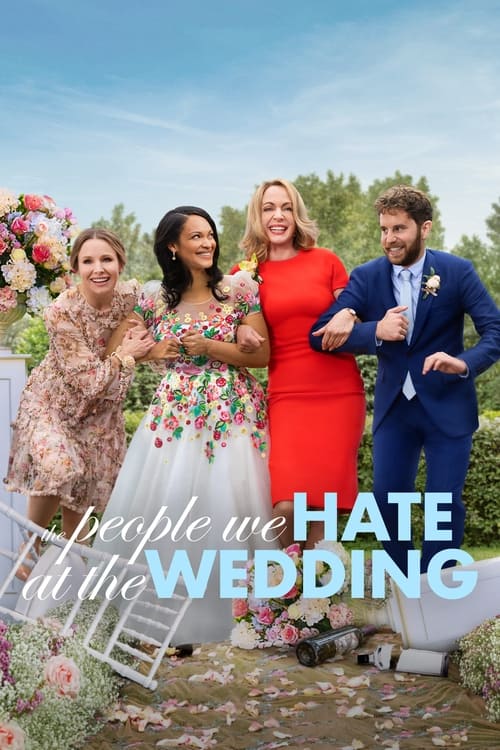
In the ending of "The People We Hate at the Wedding," the family dynamics come to a head during the wedding ceremony, leading to confrontations and reconciliations. The main characters, Alice, Paul, and their mother, are forced to confront their feelings about each other and their estranged family. Ultimately, they find a way to reconnect, and the film concludes with a sense of hope and acceptance.
As the wedding day unfolds, the atmosphere is charged with tension. Alice, played by Kristen Bell, is visibly anxious as she prepares for the ceremony. She grapples with her feelings of inadequacy and her complicated relationship with her mother, played by Allison Janney. Paul, portrayed by Ben Platt, is equally fraught, struggling with his own insecurities and the weight of family expectations. Their mother, who has always been a source of both love and frustration, is caught in the middle, trying to maintain peace while dealing with her own regrets.
The wedding venue is beautifully decorated, but the underlying family strife is palpable. As the ceremony begins, Alice and Paul sit together, exchanging nervous glances. Tensions rise when old grievances surface, leading to a heated argument that disrupts the proceedings. Guests look on in shock as the siblings air their frustrations, revealing deep-seated issues that have long been buried.
In a pivotal moment, Alice confronts their mother about her parenting choices, expressing feelings of abandonment and resentment. Paul, feeling overshadowed, joins in, voicing his own struggles with their family dynamics. The confrontation is raw and emotional, showcasing the pain and love that coexist within their family.
As the argument escalates, the bride and groom, who have been anxiously waiting for the ceremony to proceed, intervene. Their presence serves as a reminder of the love that can exist amidst chaos. The siblings, realizing the impact of their actions, begin to reflect on their relationship. In a moment of vulnerability, they apologize to each other and their mother, acknowledging their shared history and the need for healing.
The wedding ceremony resumes, and the atmosphere shifts from tension to a sense of unity. Alice and Paul, now reconciled, stand together as witnesses to their family's love story. The film closes with a montage of the family celebrating together, highlighting the importance of forgiveness and acceptance. Each character finds a sense of closure: Alice embraces her individuality, Paul gains confidence in his identity, and their mother learns to let go of her past mistakes.
In the final scenes, the family dances together, laughter echoing through the venue. The camera captures their smiles, a testament to the bonds that have been reforged. The film ends on a hopeful note, suggesting that despite their differences, love can prevail, and families can heal.
Is there a post-credit scene?
In "The People We Hate at the Wedding," there is no post-credit scene. The film concludes its narrative without any additional scenes after the credits roll. The story wraps up with the characters reflecting on their relationships and the events that transpired during the wedding, leaving the audience with a sense of closure regarding their journeys and the dynamics explored throughout the film.
What are the main conflicts between the characters during the wedding?
The main conflicts during the wedding revolve around the strained relationships between the family members, particularly between siblings Alice and Paul, and their mother, Donna. Tensions rise as past grievances resurface, including Alice's feelings of being overshadowed by her brother's success and Paul's resentment towards their mother's favoritism. The wedding setting amplifies these conflicts, leading to explosive confrontations and emotional revelations.
How does Alice's relationship with her boyfriend impact the story?
Alice's relationship with her boyfriend, who is introduced as a supportive figure, becomes a focal point of her internal struggle. As the wedding approaches, Alice grapples with her feelings of inadequacy and the pressure to conform to family expectations. Her boyfriend's presence serves as both a source of comfort and a reminder of her unresolved issues with her family, ultimately influencing her decisions during the wedding.
What role does the character of Paul play in the family dynamics?
Paul serves as a catalyst for much of the family drama. His character embodies the tension between ambition and familial loyalty, as he navigates his own insecurities while trying to assert his place within the family. His interactions with Alice reveal deep-seated rivalries and unspoken resentments, particularly as he attempts to prove himself during the wedding festivities.
How does Donna's character influence the events of the wedding?
Donna, the matriarch, is a pivotal character whose expectations and emotional baggage heavily influence the wedding's atmosphere. Her desire for a perfect celebration clashes with the reality of her family's dysfunction, leading to moments of tension and vulnerability. Donna's interactions with her children reveal her own struggles with acceptance and love, ultimately shaping the course of the wedding events.
What significant moments occur between Alice and Paul that highlight their sibling rivalry?
Significant moments between Alice and Paul include heated arguments that erupt during the wedding preparations, where they confront their childhood grievances. One pivotal scene occurs during a toast, where Paul inadvertently reveals Alice's insecurities, leading to a public confrontation that exposes their deep-seated rivalry. These moments are charged with emotion, showcasing their complex relationship and the impact of their family dynamics.
Is this family friendly?
"The People We Hate at the Wedding" is a comedy that contains several elements that may not be considered family-friendly. Here are some potentially objectionable or upsetting aspects:
-
Strong Language: The film features frequent use of profanity, which may not be suitable for younger audiences.
-
Sexual Content: There are scenes that include sexual situations and innuendos, which could be inappropriate for children.
-
Substance Use: Characters are shown drinking alcohol, and there are references to drug use, which may be concerning for sensitive viewers.
-
Family Conflict: The film explores themes of family dysfunction and conflict, which could be emotionally intense for some viewers, particularly children.
-
Emotional Turmoil: Characters experience significant emotional struggles, including feelings of inadequacy and disappointment, which may resonate deeply and be upsetting for sensitive individuals.
These elements contribute to the film's overall tone and may not be suitable for all audiences, particularly younger viewers or those who are sensitive to such themes.







