



























Popular
What motivates Kenneth Feinberg to take on the role of the special master for the September 11th Victim Compensation Fund?
How does the character of Charles Wolf influence Kenneth Feinberg's approach to the compensation fund?
What challenges does Feinberg face when determining the value of a life lost in the attacks?
How does the film depict the emotional impact of the September 11 attacks on the victims' families?
What role does the legal and political landscape play in the establishment of the compensation fund?
Should I watch it?
Ask Your Own Question

What is the plot?
Sorry, we aren't able to watch and write up a full detailed plot yet. Check back in a few days.







What is the ending?
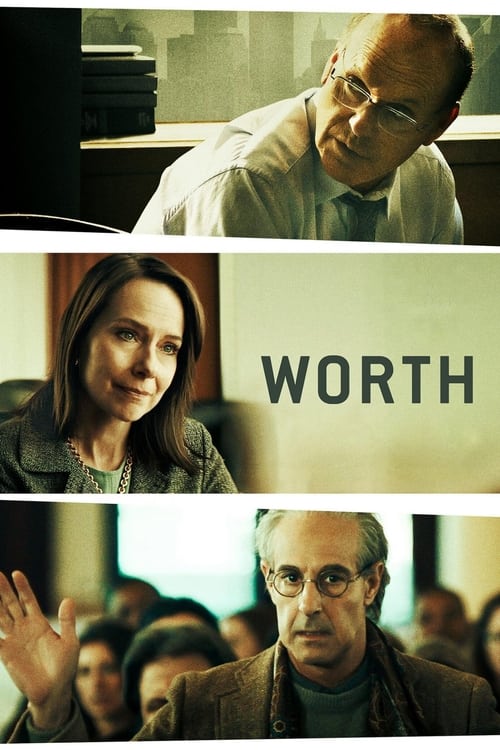
In the ending of "Worth," Kenneth Feinberg, played by Michael Keaton, comes to terms with the emotional weight of his work as he navigates the complexities of valuing human life after the September 11 attacks. He ultimately reaches a settlement with the families of the victims, recognizing the inadequacy of monetary compensation for their loss. The film concludes with Feinberg reflecting on the impact of his decisions and the personal connections he formed with the families, particularly with Charles Wolf, who represents the struggle for justice and acknowledgment of loss.
As the film approaches its conclusion, we see Kenneth Feinberg grappling with the enormity of his task. He has been appointed to lead the September 11th Victim Compensation Fund, a role that places him at the intersection of legal, financial, and deeply personal realms. The emotional toll of his work becomes increasingly evident as he meets with families of the victims, each encounter revealing the profound grief and anger they carry.
In a pivotal scene, Feinberg meets Charles Wolf, whose wife, Katherine, was killed in the attacks. Charles is not just seeking compensation; he is searching for recognition of his wife's life and the pain of her absence. This meeting is charged with emotion, as Charles articulates the inadequacy of any financial figure to encapsulate the value of a loved one. Feinberg, initially focused on the numbers and the logistics of the fund, begins to understand the human stories behind the statistics.
As the settlement process unfolds, Feinberg faces mounting pressure from both the families and the government. He struggles with the ethical implications of assigning a dollar value to lives lost, and this internal conflict is mirrored in his interactions with his team and the families. The film captures his transformation from a detached bureaucrat to someone who is deeply affected by the stories he hears.
In the final scenes, Feinberg presents the settlement offer to the families. He acknowledges the limitations of the fund and the impossibility of truly compensating them for their losses. The emotional weight of this moment is palpable, as families react with a mix of acceptance, anger, and sorrow. Feinberg's journey culminates in a moment of personal reflection, where he recognizes that while he has fulfilled his professional obligations, the emotional scars of the tragedy will remain with him and the families forever.
The film closes with Feinberg attending a memorial event, where he stands in silence, contemplating the lives lost and the impact of his work. He has come to terms with the fact that while he can provide financial support, he cannot heal the wounds of grief. The final shot lingers on his face, capturing a blend of resolve and sorrow, as he acknowledges the complexity of valuing human life in the face of tragedy.
In summary, Kenneth Feinberg's journey in "Worth" concludes with a profound understanding of the emotional landscape surrounding the September 11 attacks. The film emphasizes the importance of recognizing individual stories amidst the broader narrative of loss, highlighting the struggle for justice and acknowledgment that defines the experiences of the families affected by the tragedy.
Is there a post-credit scene?
The movie "Worth," produced in 2021, does not have a post-credit scene. The film concludes its narrative without any additional scenes after the credits roll. The story wraps up with a focus on the emotional and legal journey of Kenneth Feinberg as he navigates the complexities of valuing human life in the aftermath of the September 11 attacks, leaving the audience with a poignant reflection on loss and the challenges of compensation.
What motivates Kenneth Feinberg to take on the role of the special master for the September 11th Victim Compensation Fund?
Kenneth Feinberg, played by Michael Keaton, is initially motivated by a sense of duty and the challenge of creating a fair compensation system for the victims of the September 11 attacks. As he delves deeper into the emotional and personal stories of the victims' families, his motivations evolve from a professional obligation to a more personal commitment to honor their memories and provide them with the support they desperately need.
How does the character of Charles Wolf influence Kenneth Feinberg's approach to the compensation fund?
Charles Wolf, portrayed by Stanley Tucci, is a grieving widower who becomes a pivotal figure in the narrative. His passionate advocacy for fair compensation and his emotional confrontation with Feinberg force Kenneth to confront the human cost of his bureaucratic decisions. Wolf's insistence on recognizing the individual stories behind the numbers challenges Feinberg to see the victims not just as statistics but as real people with loved ones, ultimately reshaping his approach to the fund.
What challenges does Feinberg face when determining the value of a life lost in the attacks?
Feinberg grapples with the ethical and emotional weight of assigning monetary values to lives lost in the attacks. He faces immense pressure from families who feel that no amount of money can truly compensate for their loss. This internal conflict is compounded by the varying circumstances of each victim, leading to difficult conversations and decisions that weigh heavily on him, as he struggles to balance fairness with the reality of the fund's limitations.
How does the film depict the emotional impact of the September 11 attacks on the victims' families?
The film poignantly illustrates the profound grief and anger experienced by the victims' families through intimate scenes of mourning, personal testimonies, and the raw emotions displayed during meetings with Feinberg. Each family's story is unique, showcasing their struggles with loss, the desire for justice, and the search for closure, which adds depth to the narrative and highlights the human side of the tragedy.
What role does the legal and political landscape play in the establishment of the compensation fund?
The legal and political landscape is crucial in shaping the establishment of the compensation fund. Feinberg navigates complex negotiations with government officials and stakeholders, facing challenges such as public scrutiny and differing opinions on how to handle compensation. The film portrays the tension between the need for a swift resolution for victims' families and the bureaucratic hurdles that complicate the process, reflecting the broader societal implications of the tragedy.
Is this family friendly?
"Worth," produced in 2021, is a drama that deals with the aftermath of the September 11 attacks and the legal and emotional complexities surrounding the compensation fund for victims' families. While the film is not explicitly designed for children, it does not contain graphic violence or explicit content. However, there are several potentially objectionable or upsetting aspects that may affect children or sensitive viewers:
-
Themes of Grief and Loss: The film explores deep emotional pain and the impact of losing loved ones, which may be distressing for younger audiences or those sensitive to themes of death.
-
Depictions of Mourning Families: Scenes featuring families grappling with their loss can be heavy and emotionally charged, showcasing raw emotions such as anger, sadness, and despair.
-
Discussions of Compensation: The film delves into the moral and ethical dilemmas surrounding financial compensation for loss, which may be difficult for younger viewers to fully understand.
-
Confrontational Dialogues: There are moments of intense conversations where characters express their frustrations and grief, which may be unsettling for some.
-
Real-Life Tragedy Context: The backdrop of the September 11 attacks and its aftermath may be a sensitive topic for many, especially those personally affected by the events.
Overall, while "Worth" is a poignant exploration of a significant historical event, its emotional weight and mature themes may not be suitable for all audiences, particularly children.







