






Popular
What motivates the main character, Sarah, to enter the dark world?
How does the character of the Dark Man influence the story?
What role does the concept of transference play in the characters' experiences?
How do the characters' backstories impact their decisions in the dark world?
What is the significance of the dark world’s environment in shaping the characters' journeys?
Should I watch it?
Ask Your Own Question

What is the plot?
Sorry, we aren't able to watch and write up a full detailed plot yet. Check back in a few days.








What is the ending?
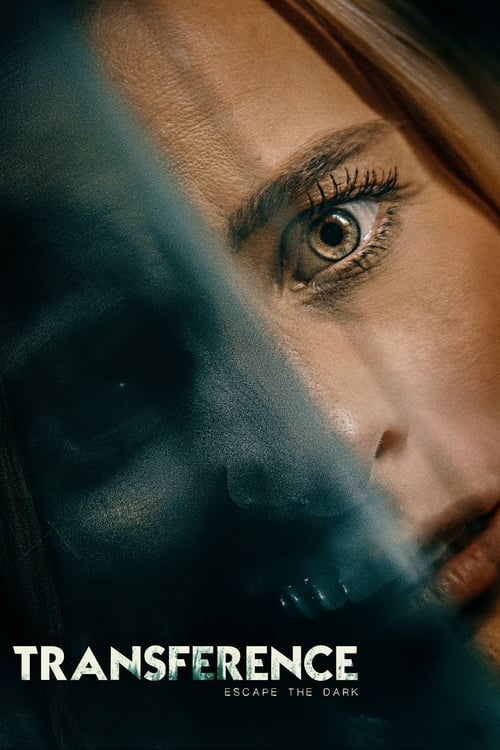
In the ending of "Transference: Escape the Dark," the main characters confront their fears and the dark forces that have been manipulating them. They manage to escape the clutches of the sinister entity, but not without significant personal sacrifices. The film concludes with a sense of unresolved tension, as the characters are left to grapple with their experiences and the lingering effects of their trauma.
As the climax unfolds, the characters find themselves in a dimly lit room, the air thick with an oppressive atmosphere. The walls seem to close in on them, echoing their fears and doubts. The group, consisting of several individuals who have been trapped in this nightmarish scenario, realizes that they must confront the dark entity that has been tormenting them throughout their ordeal.
One character, driven by a desperate need to protect the others, steps forward, confronting the entity with a mix of fear and determination. This moment is charged with emotion, as the character's internal struggle is palpable. They recall their past traumas, which the entity has exploited, and use this recollection as a source of strength. The entity, a manifestation of their darkest fears, retaliates with psychological torment, attempting to break their resolve.
As the confrontation escalates, the other characters rally around their friend, each drawing on their own experiences to bolster their collective strength. They share their fears aloud, creating a powerful bond that weakens the entity's hold over them. The room begins to shift, the shadows retreating as they stand united against the darkness.
In a pivotal moment, one character sacrifices themselves, stepping into the shadows to distract the entity, allowing the others to escape. This act of bravery is filled with emotional weight, as the remaining characters are forced to confront the reality of their loss. They manage to break free from the room, emerging into a world that feels both familiar and foreign, a stark contrast to the darkness they have just escaped.
As they step into the light, the characters are visibly shaken but also transformed. They carry the weight of their experiences, and while they have escaped the immediate threat, the emotional scars remain. The film closes on a haunting note, suggesting that while they have escaped the dark, the journey of healing and confronting their inner demons is just beginning. Each character is left to ponder their fate, with the lingering question of whether they can truly move on from the shadows that have haunted them.
Is there a post-credit scene?
In "Transference: Escape the Dark," there is indeed a post-credit scene that adds an intriguing layer to the film's narrative. After the credits roll, the screen fades back in to reveal a dimly lit room, filled with shadows and an eerie silence. The camera slowly pans across the space, revealing remnants of the characters' struggles--broken furniture, scattered papers, and a flickering light bulb that casts unsettling shadows on the walls.
As the camera continues to move, it focuses on a figure sitting in the corner, shrouded in darkness. The figure is revealed to be one of the main characters, visibly shaken and disoriented, suggesting that the events of the film have left a profound impact on them. Their eyes dart around the room, filled with a mix of fear and determination, as they seem to be contemplating their next move.
Suddenly, a voice echoes from the shadows, taunting and cryptic. It hints at the existence of a larger conspiracy and the possibility that the dark forces they faced are far from vanquished. The character's expression shifts from confusion to resolve, indicating that they are not done fighting and that the battle against the darkness is far from over.
The scene ends with a close-up of the character's face, a single tear rolling down their cheek, symbolizing both the pain of their past and the hope for the future. The screen fades to black, leaving the audience with a sense of unease and anticipation for what might come next. This post-credit scene effectively sets the stage for potential sequels or further exploration of the film's themes of struggle, resilience, and the ongoing battle against inner demons.
What motivates the main character, Sarah, to enter the dark world?
Sarah is driven by a desperate need to find her missing sister, which propels her into the dark world. Her emotional turmoil and determination to uncover the truth about her sister's disappearance fuel her actions throughout the film.
How does the character of the Dark Man influence the story?
The Dark Man serves as the primary antagonist, embodying the fears and traumas of the characters. His presence creates a palpable tension, as he manipulates the environment and the characters' emotions, forcing them to confront their darkest secrets.
What role does the concept of transference play in the characters' experiences?
Transference is a key theme that manifests as characters project their unresolved issues onto one another. This psychological element complicates their relationships and drives the narrative, as they must navigate their emotional baggage while trying to escape the dark world.
How do the characters' backstories impact their decisions in the dark world?
Each character's backstory is intricately woven into their motivations and choices. For instance, Sarah's guilt over her sister's fate influences her willingness to take risks, while another character's past trauma leads to moments of hesitation and fear, affecting group dynamics.
What is the significance of the dark world’s environment in shaping the characters' journeys?
The dark world is a reflection of the characters' inner struggles, with its eerie landscapes and shifting realities mirroring their fears and regrets. This environment not only heightens the sense of danger but also serves as a catalyst for character development as they confront their pasts.
Is this family friendly?
"Transference: Escape the Dark" is not considered family-friendly due to its intense themes and mature content. The film contains several potentially objectionable or upsetting aspects, including:
-
Psychological Tension: The film explores themes of mental health and trauma, which may be distressing for younger viewers or those sensitive to such topics.
-
Violence: There are scenes that depict violence and physical confrontations, which could be unsettling.
-
Dark Atmosphere: The overall tone of the film is dark and foreboding, creating a sense of dread that may be inappropriate for children.
-
Emotional Distress: Characters experience significant emotional turmoil, including fear, despair, and anxiety, which could be upsetting for sensitive viewers.
-
Supernatural Elements: The presence of supernatural themes may be frightening for younger audiences.
These elements contribute to a viewing experience that may not be suitable for children or those who are easily disturbed.







