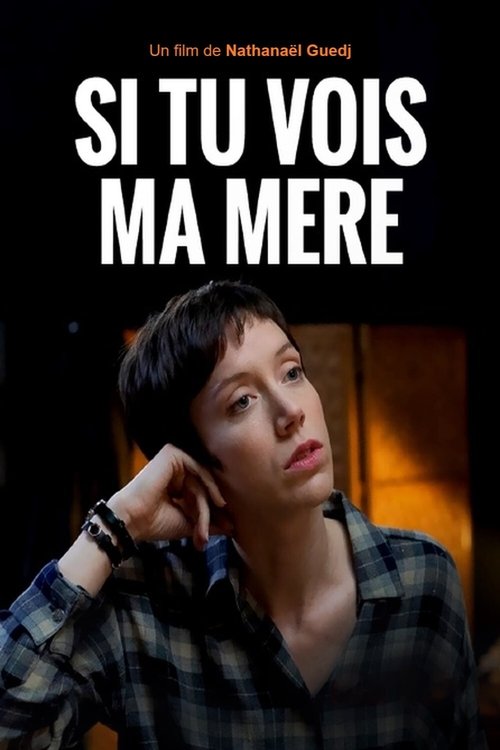















Popular
What is the significance of the main character's relationship with his mother?
How does Hugo's journey to find his mother unfold throughout the film?
What role do the supporting characters play in Hugo's search for his mother?
What are the key moments that highlight Hugo's emotional transformation?
How does the film depict the theme of memory and its impact on Hugo's identity?
Should I watch it?
Ask Your Own Question

What is the plot?
Sorry, we aren't able to watch and write up a full detailed plot yet. Check back in a few days.






What is the ending?
In the ending of "Si tu vois ma mère," the protagonist, a young man named Hugo, comes to terms with his grief over his mother's death. He finds closure through a series of emotional encounters and reflections, ultimately leading him to embrace his future with a renewed sense of hope.
As the film draws to a close, Hugo stands at his mother's grave, reflecting on their shared memories. He feels a mix of sorrow and acceptance, realizing that while his mother is gone, her influence and love will always remain with him. The film ends on a poignant note, suggesting that life continues despite loss, and that the bonds of family endure even in absence.
Now, let's delve into the ending in a more detailed, chronological narrative.
The final act begins with Hugo standing alone in a quiet cemetery, the sun setting behind him, casting long shadows across the gravestones. He approaches his mother's grave, a simple headstone adorned with flowers. The air is heavy with emotion as he kneels down, placing his hand on the cold stone. His face is a mixture of sadness and contemplation, reflecting the weight of his loss.
In this moment, flashbacks begin to intersperse with the present. We see glimpses of happier times: Hugo as a child, laughing with his mother, her warm smile lighting up the room. These memories are bittersweet, underscoring the depth of his grief. As he recalls her laughter and the lessons she imparted, tears well up in his eyes. He whispers to her, sharing his thoughts and feelings, expressing the pain of her absence and the void it has created in his life.
The scene shifts to a montage of Hugo's journey throughout the film, showcasing his struggles with acceptance and the various ways he has tried to cope with his loss. We see him interacting with friends, attempting to move forward, yet always haunted by the memories of his mother. Each interaction is tinged with a sense of longing, as he grapples with the reality of living without her guidance.
Returning to the cemetery, Hugo takes a deep breath, his expression shifting from sorrow to a quiet resolve. He stands up, brushing off his knees, and looks around the cemetery, as if seeing it for the first time. The camera captures the beauty of the surroundings--the vibrant colors of the flowers, the gentle rustling of leaves in the breeze--symbolizing the life that continues around him.
In a pivotal moment, Hugo pulls out a small, worn-out notebook from his pocket. It contains letters he had written to his mother over the past months, filled with his thoughts, dreams, and fears. He reads a few lines aloud, his voice trembling but growing stronger with each word. This act of sharing his innermost feelings serves as a cathartic release, allowing him to confront his grief head-on.
As he finishes reading, Hugo looks up at the sky, a sense of peace washing over him. He realizes that while his mother may no longer be physically present, her spirit lives on within him. The camera lingers on his face, capturing the transformation from despair to acceptance. He smiles softly, a bittersweet yet hopeful expression, as he begins to walk away from the grave.
The final scene shows Hugo leaving the cemetery, the sun now fully set, but the stars beginning to twinkle in the night sky. He walks with a lighter step, suggesting a newfound sense of purpose. The film closes with a shot of the grave, the flowers gently swaying in the breeze, symbolizing the enduring love between a mother and her son.
In this ending, Hugo's journey reflects the universal themes of loss, love, and the resilience of the human spirit. Each character's fate is intertwined with Hugo's emotional growth, as he learns to carry the memory of his mother with him, embracing life while honoring her legacy.
Is there a post-credit scene?
In the movie "Si tu vois ma mère," there is no post-credit scene. The film concludes its narrative without any additional scenes after the credits roll. The story wraps up with a poignant resolution that emphasizes the emotional journey of the characters, particularly focusing on the themes of loss, memory, and the impact of familial relationships. The absence of a post-credit scene allows the audience to reflect on the film's core messages without any further distractions.
What is the significance of the main character's relationship with his mother?
The main character, a young man named Hugo, has a complex relationship with his mother, which serves as the emotional core of the film. Throughout the story, Hugo grapples with feelings of abandonment and longing, as his mother has been absent from his life for many years. This relationship drives his actions and decisions, as he seeks to understand her choices and ultimately find closure.
How does Hugo's journey to find his mother unfold throughout the film?
Hugo's journey begins when he receives a letter that leads him to believe his mother is still alive. He embarks on a quest that takes him through various locations, meeting different characters who provide insights into his mother's past. Each encounter reveals more about her struggles and the reasons behind her departure, deepening Hugo's understanding of her and himself.
What role do the supporting characters play in Hugo's search for his mother?
Supporting characters, such as Hugo's friends and acquaintances, play crucial roles in his journey. They offer different perspectives on family, love, and loss, helping Hugo to reflect on his own feelings. For instance, a childhood friend provides comic relief but also serves as a sounding board for Hugo's emotional turmoil, while a mentor figure encourages him to confront his past.
What are the key moments that highlight Hugo's emotional transformation?
Key moments in the film include Hugo's initial discovery of the letter, his emotional breakdown when confronting memories of his mother, and pivotal conversations with characters who challenge his perceptions. These moments are marked by intense emotional visuals, such as flashbacks to happier times with his mother, which contrast sharply with his current feelings of abandonment and confusion.
How does the film depict the theme of memory and its impact on Hugo's identity?
The film intricately weaves memories into Hugo's narrative, showcasing how they shape his identity. Flashbacks reveal his childhood experiences with his mother, filled with warmth and love, juxtaposed against his current feelings of loss. As he uncovers more about her life, he begins to reconcile these memories with his present, leading to a deeper understanding of himself and his place in the world.
Is this family friendly?
"Si tu vois ma mère," produced in 2020, is a film that explores themes of grief, loss, and the complexities of family relationships. While it has moments of humor and warmth, it also delves into deeper emotional struggles that may not be suitable for younger audiences or sensitive viewers.
Potentially objectionable or upsetting aspects include:
-
Themes of Death and Grief: The film centers around the protagonist dealing with the loss of a parent, which may be distressing for children or those who have experienced similar losses.
-
Emotional Turmoil: Characters experience significant emotional pain, including sadness, regret, and longing, which could be heavy for younger viewers to process.
-
Family Conflict: There are scenes depicting tension and conflict within the family, which may be uncomfortable for some audiences.
-
Mature Conversations: The dialogue includes discussions about life, death, and relationships that may not be appropriate for children.
-
Visual Depictions of Mourning: There are scenes that visually represent the aftermath of loss, which could be upsetting.
Overall, while the film has heartfelt moments, its exploration of serious themes may not be suitable for all audiences, particularly children or those sensitive to such topics.