








Popular
What famous bands recorded at Rockfield Studios and how did their experiences shape the studio's legacy?
How did the physical setting of Rockfield Studios influence the creative process of the artists?
What challenges did the artists face while recording at Rockfield, and how did they overcome them?
What role did the studio owners play in the creative process of the artists?
How did the documentary portray the personal stories of the artists who recorded at Rockfield?
Should I watch it?
Ask Your Own Question

What is the plot?
Sorry, we aren't able to watch and write up a full detailed plot yet. Check back in a few days.
More Movies Like This
Browse All Movies →






What is the ending?
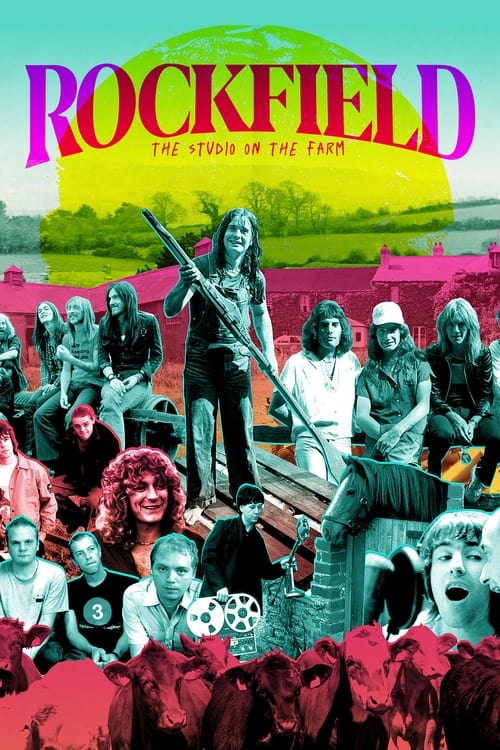
In the ending of "Rockfield: The Studio on the Farm," the documentary culminates with reflections from various artists who recorded at Rockfield Studios, emphasizing the lasting impact of the studio on their music and lives. The film closes with a sense of nostalgia and appreciation for the creative spirit that the farm has fostered over the decades.
As the film progresses towards its conclusion, the narrative shifts to a series of poignant scenes that encapsulate the essence of Rockfield Studios. The camera captures the lush, green landscape of the farm, a stark contrast to the bustling world of the music industry. This serene backdrop serves as a reminder of the studio's humble beginnings and its evolution into a legendary recording space.
In one scene, we see a montage of artists reflecting on their experiences at Rockfield. They share personal anecdotes about the creative process, the challenges they faced, and the friendships they forged. The emotional weight of their words is palpable, as they express gratitude for the freedom and inspiration that the studio provided. Each artist's story is interwoven with visuals of them in the studio, recording, laughing, and sometimes struggling, highlighting the raw and authentic nature of the creative journey.
The film then transitions to a more intimate moment with the founders of Rockfield, who reminisce about the early days of the studio. Their pride in what they have built is evident, as they discuss the legacy they hope to leave behind. The camera lingers on their faces, capturing the joy and nostalgia that comes with reflecting on a lifetime of hard work and passion.
As the credits begin to roll, the final scenes showcase the studio in its current state, still vibrant and alive with music. The sounds of instruments and voices fill the air, a testament to the ongoing creative spirit that Rockfield embodies. The film ends on a hopeful note, suggesting that the magic of Rockfield will continue to inspire future generations of musicians.
In summary, the ending of "Rockfield: The Studio on the Farm" encapsulates the emotional journey of the artists and the founders, celebrating the enduring legacy of a place that has become synonymous with musical creativity and collaboration. Each character, from the artists to the studio founders, finds closure in their reflections, leaving the audience with a sense of connection to the music and the stories behind it.
Is there a post-credit scene?
Rockfield: The Studio on the Farm does not feature a post-credit scene. The documentary focuses on the rich history of Rockfield Studios, showcasing its significance in the music industry and the various artists who have recorded there. The film concludes with a reflection on the legacy of the studio and its impact on music, leaving viewers with a sense of nostalgia and appreciation for the creative process that took place within its walls.
What famous bands recorded at Rockfield Studios and how did their experiences shape the studio's legacy?
Rockfield Studios, located on a farm in Wales, has hosted numerous iconic bands, including Queen, Oasis, and Black Sabbath. Each band's experience at the studio contributed to its legacy, with Queen famously recording 'Bohemian Rhapsody' there, which showcased the studio's unique acoustics and creative environment. Oasis recorded their debut album 'Definitely Maybe' at Rockfield, which helped define the Britpop movement, while Black Sabbath's heavy sound was enhanced by the studio's rural setting.
How did the physical setting of Rockfield Studios influence the creative process of the artists?
The physical setting of Rockfield Studios, nestled in the Welsh countryside, provided a serene and inspiring backdrop for artists. The isolation allowed musicians to focus on their craft without distractions, fostering a sense of camaraderie and creativity. The rustic charm of the farm, with its rolling hills and tranquil atmosphere, encouraged artists to experiment and push their musical boundaries.
What challenges did the artists face while recording at Rockfield, and how did they overcome them?
Artists at Rockfield faced various challenges, including the pressure of creating hit records and the technical difficulties of recording in a non-traditional studio environment. For instance, some bands struggled with the limitations of the equipment available at the time. However, they overcame these obstacles through collaboration, innovative problem-solving, and the supportive atmosphere fostered by the studio's owners, who encouraged experimentation and creativity.
What role did the studio owners play in the creative process of the artists?
The studio owners, brothers Kingsley and Charles Ward, played a crucial role in the creative process by providing not only technical support but also emotional encouragement. Their hands-on approach and deep understanding of music allowed them to connect with the artists, helping to create a comfortable environment where musicians felt free to express themselves and take risks in their work.
How did the documentary portray the personal stories of the artists who recorded at Rockfield?
The documentary delves into the personal stories of various artists, highlighting their struggles, triumphs, and the impact of their time at Rockfield on their lives and careers. Through interviews and archival footage, viewers gain insight into the emotional journeys of these musicians, revealing how the studio experience shaped their identities and artistic expressions.
Is this family friendly?
"Rockfield: The Studio on the Farm" is a documentary that explores the history of Rockfield Studios, a recording studio located on a farm in Wales, and the various artists who have recorded there. While the film primarily focuses on music and the creative process, it does contain some elements that may be considered objectionable or upsetting for children or sensitive viewers.
-
Language: There are instances of strong language used by some artists during interviews, which may not be suitable for younger audiences.
-
Substance Use: The film touches on themes of substance use, as some artists discuss their experiences with drugs and alcohol during the creative process, which could be concerning for sensitive viewers.
-
Emotional Themes: The documentary delves into the personal struggles and emotional challenges faced by artists, including issues related to fame, mental health, and the pressures of the music industry. These themes may be heavy for younger viewers.
-
Historical Context: Some discussions may reference darker aspects of the music industry and personal lives of artists, which could be unsettling for some audiences.
Overall, while the film is centered around music and creativity, the presence of strong language, discussions of substance use, and emotional themes may make it less suitable for children or those who are sensitive to such topics.







