









Popular
What is the significance of the cabin in Ride the Eagle?
How does Leif's relationship with his mother evolve throughout the film?
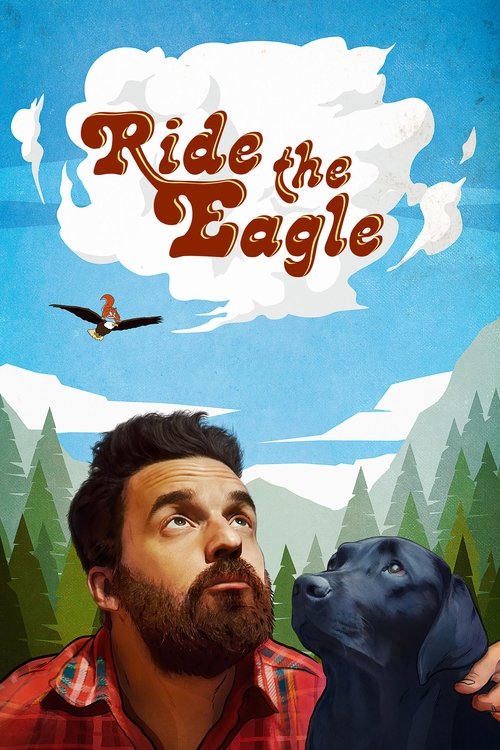
What role does the character of the dog play in the story?
What are the tasks that Leif must complete in order to inherit his mother's cabin?
How does the character of Leif change from the beginning to the end of the film?
Should I watch it?
Ask Your Own Question

What is the plot?
Sorry, we aren't able to watch and write up a full detailed plot yet. Check back in a few days.









What is the ending?
In the ending of "Ride the Eagle," Leif completes his mother's list of tasks, which leads him to a deeper understanding of himself and his relationship with his late mother. He reconciles with his past and embraces his future, ultimately finding a sense of peace and direction. The film concludes with Leif moving forward in his life, having grown from the experience.
As the film approaches its conclusion, we find Leif, played by Jake Johnson, standing at a pivotal moment in his life. He has been on a journey of self-discovery, prompted by the posthumous instructions left by his estranged mother, Honey, portrayed by Susan Sarandon. The final tasks on her list have been both challenging and enlightening, pushing him to confront his feelings of abandonment and his complicated relationship with her.
Scene by scene, the narrative unfolds as follows:
Leif stands in front of the final task on Honey's list, which is to spread her ashes in a place that holds significance for her. This moment is heavy with emotion, as it symbolizes not only the closure of his mother's chapter but also the opening of a new one for him. He reflects on the journey he has taken, the memories of his mother flooding back, both good and bad. The weight of her absence is palpable, yet there is a sense of acceptance in the air.
As he prepares to scatter her ashes, he recalls the moments they shared, the laughter, the pain, and the lessons learned. The scene is set against a backdrop of nature, perhaps a serene lake or a mountain vista, emphasizing the beauty of life and the cycle of letting go. Leif takes a deep breath, feeling the wind against his face, a metaphor for the freedom he is about to embrace.
With a gentle motion, he releases the ashes into the wind. The ashes swirl and dance, carried away by the breeze, symbolizing his release from the burdens of the past. In this act, Leif not only honors his mother's memory but also liberates himself from the guilt and resentment that had held him back. There is a moment of stillness as he watches the ashes disappear, a visual representation of his emotional journey coming to fruition.
Following this cathartic moment, Leif is seen in a new light. He is more grounded, more self-assured. The film captures his transformation through subtle changes in his demeanor; he smiles more easily, engages with the world around him, and seems ready to embrace new relationships and opportunities. The weight of his mother's expectations has lifted, allowing him to step into his own identity.
In the final scenes, we see Leif reconnecting with his girlfriend, who has been a supportive presence throughout his journey. Their relationship, once strained by his unresolved issues, now feels renewed and hopeful. They share a moment of intimacy, suggesting that Leif is ready to open his heart again, having learned the importance of vulnerability and connection.
The film closes with a sense of optimism. Leif is no longer just a man defined by his mother's shadow; he is a man who has faced his past and emerged stronger. The final shot lingers on him as he walks away from the place where he scattered the ashes, a visual metaphor for moving forward into a future filled with possibilities.
In summary, the ending of "Ride the Eagle" encapsulates Leif's journey of self-discovery and reconciliation. He has faced his past, honored his mother, and is now poised to embrace his future with a renewed sense of purpose and connection to those around him. Each character, particularly Leif, finds a resolution that speaks to the themes of love, loss, and the importance of facing one's demons to truly live.
Is there a post-credit scene?
In the movie "Ride the Eagle," there is no post-credit scene. The film concludes without any additional scenes or content after the credits roll. The story wraps up with the main character, Leif, having completed the tasks left by his mother, Honey, and finding a sense of closure and connection to her, as well as a new beginning in his life. The absence of a post-credit scene emphasizes the film's focus on personal growth and resolution rather than leaving the audience with a cliffhanger or additional plot twists.
What is the significance of the cabin in Ride the Eagle?
The cabin serves as a central location in the film, representing both a physical space for Leif to confront his past and a metaphorical space for personal growth. It is where Leif must complete a series of tasks left by his estranged mother, Honey, which forces him to reflect on their relationship and his own life choices.
How does Leif's relationship with his mother evolve throughout the film?
Leif's relationship with his mother, Honey, is complex and strained. Initially, he feels resentment and abandonment due to her decision to leave him. As he completes her tasks, he begins to understand her struggles and motivations, leading to a deeper emotional connection and a sense of forgiveness by the end of the film.
What role does the character of the dog play in the story?
The dog, named 'Dog,' is a significant companion for Leif throughout his journey. The dog's presence provides comfort and companionship, symbolizing loyalty and unconditional love. Dog also serves as a catalyst for Leif's emotional growth, reminding him of the importance of connection and responsibility.
What are the tasks that Leif must complete in order to inherit his mother's cabin?
Leif must complete a series of quirky and heartfelt tasks that his mother left for him, including finding a specific item, writing a letter, and confronting his fears. Each task is designed to challenge him and encourage personal reflection, ultimately leading him to confront his feelings about his mother and his own life.
How does the character of Leif change from the beginning to the end of the film?
At the beginning of the film, Leif is portrayed as a somewhat aimless and resentful individual, struggling with his past and his relationship with his mother. As he embarks on the journey to complete her tasks, he undergoes significant personal growth, gaining insight into his mother's life and his own choices, ultimately leading to a more mature and self-aware version of himself.
Is this family friendly?
"Ride the Eagle," produced in 2021, is a dramedy that explores themes of family, loss, and personal growth. While it has a heartfelt narrative, there are elements that may be considered objectionable or upsetting for children or sensitive viewers.
-
Mature Language: The film contains instances of strong language, which may not be suitable for younger audiences.
-
Themes of Grief and Loss: The story revolves around the protagonist dealing with the death of a parent, which can evoke strong emotions and may be distressing for some viewers.
-
Substance Use: There are scenes that depict the use of drugs and alcohol, which could be concerning for younger viewers or those sensitive to such topics.
-
Emotional Turmoil: Characters experience significant emotional struggles, including feelings of abandonment and regret, which may resonate deeply and be upsetting for some.
-
Family Conflict: The film portrays complex family dynamics and conflicts that may be difficult for children to understand or process.
Overall, while "Ride the Eagle" has a positive message about healing and connection, its mature themes and content may not be suitable for all audiences, particularly younger children.







