
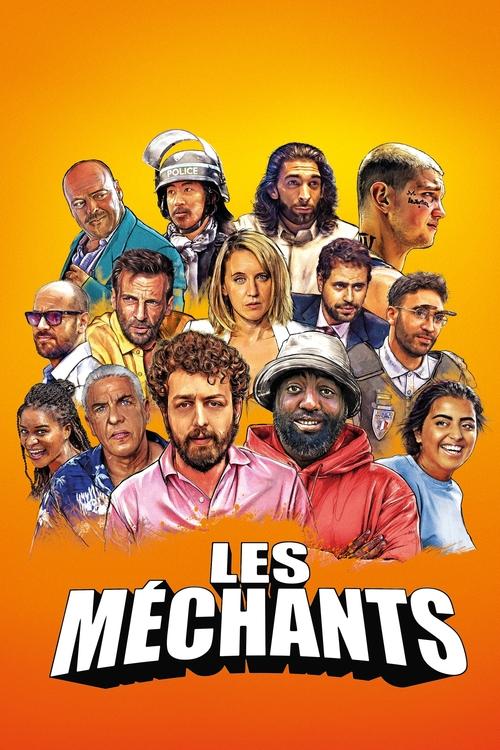




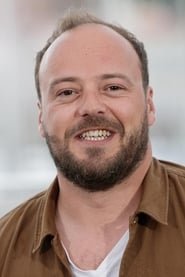
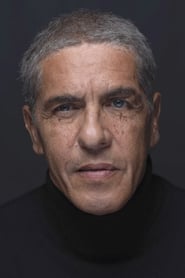






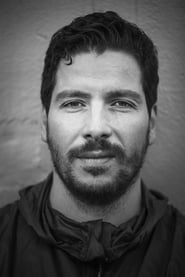

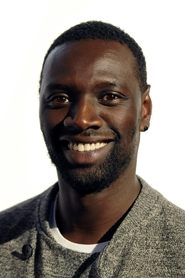






Popular
What motivates the main character, a journalist, to investigate the fake news scandal?
How does the antagonist, a media mogul, manipulate public perception throughout the film?
What role does the supporting character, a tech expert, play in the investigation?
What specific challenges does Sarah face while gathering evidence against the fake news network?
How does the climax of the film unfold during the press conference scene?
Should I watch it?
Ask Your Own Question

What is the plot?
Sébastien crouches in the dim shadows of a rundown migrant camp on the outskirts of Paris, the air thick with the scent of damp cardboard and simmering tagine from a nearby fire. It's a chilly evening in late autumn 2021, around 8 PM, and the camp buzzes with low conversations in Arabic and French. His eyes lock on a battered tent where a group of young migrants huddle around a flickering gaming console hooked to a portable TV, controllers flashing in their hands. Heart pounding with petty desperation--he's broke, jobless, and desperate for a quick score--Sébastien darts forward, snatches the console mid-game, and bolts into the night. The migrants shout after him, "Hé, le voleur! Arrête-toi!" but he doesn't look back, clutching the PlayStation like a lifeline as he vanishes into the urban sprawl.
The next morning, October 15, 2021, at 10 AM, Sébastien arrives at a nondescript apartment block in the 18th arrondissement, knocking urgently on Patrick Moreau's door. Patrick, a mild-mannered 45-year-old supermarket clerk with a kind face, salt-and-pepper hair, and a penchant for minding his own business, opens up warily. He's the epitome of a "good guy"--divorced, raising a teenage daughter alone, and always helping neighbors with small favors. "Qu'est-ce que tu veux?" Patrick asks, eyeing the console suspiciously. Sébastien flashes a grin, thrusting it forward. "200 euros, mec. C'est du neuf, volé... euh, trouvé dans la rue. Une affaire en or!" Patrick hesitates, tempted by the deal--he's been eyeing one for his daughter Amélie--but something feels off. He buys it anyway, handing over the cash, sealing their fates without knowing it.
Word of the theft spreads like wildfire through the camp's WhatsApp groups. By noon, a video surfaces on TikTok: grainy footage of Sébastien fleeing, captioned "Raciste vole console à migrants! France en feu!" It racks up 50,000 views in hours, twisted by anonymous accounts into a narrative of xenophobic violence. Enter Mouloud "Momo" Achour, a freshly released rapper from Clichy-sous-Bois prison, real name Mouloud Benhamou, sporting gold chains and a fresh tattoo of a microphone wreathed in flames. Out after serving time for drug possession, Momo spots the video while scrolling in a café. Fueled by outrage and opportunism, he posts a freestyle rap: "Sébastien le voleur, blanc qui pille les frères! On va le traquer, le faire payer pour les nôtres!" The track explodes, hitting 2 million streams by evening, tagging unknown "Sébastien" and igniting street protests.
Across town, at the sleek studios of Canal+ in the 15th arrondissement, TV host Léa Duval paces her dressing room at 6 PM that same day. Ambitious, sharp-tongued, and desperate for her big break, the 32-year-old with perfectly highlighted hair and a wardrobe of designer blazers sees the viral clip as her ticket to stardom. During her live evening show, Buzz France, she leans into the camera, eyes wide with feigned shock: "Ce soir, un scandale national! Sébastien, le voleur raciste, attaque des migrants pour une console! Où est-il? Patrick, l'acheteur complice, cache-t-il plus? Restez avec nous!" She flashes doctored images--Sébastien's face morphed onto a rioter's body via quick Photoshop from clickbait sites--and teases exclusive "leaks." Ratings soar; Léa becomes an overnight sensation.
Unseen hands pull the strings: the Click Traffickers, a shadowy trio led by tech-savvy entrepreneur Victor Langlois, operating from a cluttered loft in Belleville. Victor, 38, wiry with glasses and a perpetual smirk, runs a fake news farm generating millions from ad revenue. His partners, hacker Nadia Khalil and marketer Theo Garnier, amplify the story across bots and troll farms. "Poussez les vues à 10 millions d'ici minuit," Victor orders, sipping espresso at 11 PM. They fabricate evidence: deepfake videos of Sébastien yelling slurs (blending his face from a stolen Facebook photo with audio from hate speech clips), witness "testimonies" from paid actors claiming Patrick funds far-right groups. The narrative mutates--now it's not just theft, but a hate crime ring. Hashtags #ChassezSébastien and #PatrickLeComplice trend nationwide.
Sébastien notices the storm brewing when he checks his phone the next morning, October 16, at 7 AM in his cramped studio apartment. Protesters chant his name outside; his face is everywhere. Panic surges as he calls Patrick. "Mec, t'as vu les news? Ils disent qu'on est des racistes! Faut qu'on rende la console!" Patrick, watching TV with Amélie, feels his world crumble. "C'est quoi ce bordel? J'ai juste acheté un truc! Ma fille... elle va au lycée aujourd'hui!" Amélie, 15 and glued to her phone, gasps, "Papa, t'es viral, mais en mode méchant!" Sirens wail as police knock-- not for arrest yet, but questions. The duo flees through back alleys, hearts hammering, console stuffed in a backpack.
Tension builds as they hole up in an abandoned warehouse near the Seine by noon. Momo's crew tracks them via social media geotags; he rallies 50 fans for a "justice hunt." "On les trouve, on les coince!" Momo raps live on Instagram from a stolen scooter. Léa, smelling blood, broadcasts from a helicopter: "Exclusivité! Sébastien et Patrick en fuite! Sont-ils armés? Terroristes?" Victor's traffickers flood chats with their location, pocketing 500,000 euros in clicks. Sébastien and Patrick argue bitterly. "C'est ta faute, t'as volé ça!" Patrick snaps. Sébastien retorts, "Et toi, t'as payé! On est dans la merde ensemble!" Their bond fractures then forges in desperation--they're fugitives now, France's most wanted "méchants."
First confrontation erupts at 3 PM in a Montmartre park. Momo's gang corners them behind Sacré-Cœur. Momo steps forward, mic in hand like a weapon. "Sébastien, rends la console, ou on te fume!" Punches fly; Sébastien swings wildly, cracking Theo Garnier's nose (Victor's marketer, there to film for traffic). Patrick grabs a loose brick, smashing a goon's knee. They escape, bruised and bleeding, but the chase intensifies. News helicopters buzz overhead; Léa's voice booms: "Violence! Les méchants frappent des innocents!" Deepfakes escalate--a video shows Patrick "shooting" at cops, fabricated by Nadia's AI tools.
By nightfall, October 16, 9 PM, they reach Patrick's sister's empty vacation home in the suburbs of Saint-Denis. Exhausted, they watch replays: the theft now linked to a fictional "white supremacist cell." Revelation hits--Victor's face flashes in credits of viral vids. "Ces enfoirés de trafiquants de clics! C'est eux qui montent tout en épingle!" Sébastien yells. Patrick uncovers more on a hidden laptop: Léa colludes with Victor for exclusives, trading tips for shares. Momo? He's in on it too, paid 50,000 euros to hype the beef. "On est des pions dans leur jeu de fake news," Patrick whispers, voice breaking.
Momentum surges toward chaos. Protests swell to 10,000 in Place de la République by midnight, October 16-17. Riot police clash with counter-protesters; molotovs fly. Sébastien and Patrick sneak into the fray disguised in hoodies, aiming to confront Léa at her live broadcast van parked nearby. Tension peaks as they dodge tear gas, the air choking with smoke and screams. "On balance tout en direct!" Sébastien urges. They burst into the van at 1 AM, October 17. Léa whirls, microphone live. "Quoi?! Les méchants ici?!" Patrick grabs the camera: "C'est du fake! Victor et toi, vous fabriquez tout pour les vues!" Live nationwide, truth spills--the console was petty theft, no hate, all amplified lies.
Victor watches from his loft, fury mounting. "Coupez le stream!" But it's too late; Nadia's hacks fail under the spotlight. Momo crashes the scene, gun drawn (illegally obtained post-prison). "Personne ne me vole ma gloire!" Climax explodes: Momo lunges at Sébastien, firing wildly. First death--Momo shoots Theo Garnier in the crossfire, mistaking him for a cop; Theo crumples, blood pooling on the van floor, gurgling "Victor... les clics..." as he dies. Chaos reigns; police swarm. Sébastien tackles Momo, wrestling the gun away. In the struggle, Momo slips on blood, cracks his skull on the van step--second death: Momo Benhamou dies instantly, eyes frozen in rage.
Léa screams, "C'est eux! Meurtriers!" but Patrick's broadcast evidence exonerates: deepfake proofs, payment trails. Victor arrives in a panic, confronting Patrick outside at 1:30 AM. "Vous ruinez tout!" Victor pulls a knife, slashing wildly. Patrick dodges, grabs a riot shield from fallen gear, slamming it into Victor's chest. Third death: Victor Langlois stabs himself accidentally in the frenzy, blade piercing his throat; he chokes on blood, collapsing in a heap, whispering "Les vues... éternelles..." Nadia flees but is tackled by cops, arrested for fraud.
Police cuff Sébastien and Patrick amid the dispersing crowd, but dawn breaks on October 17 with vindication. Interrogations at Commissariat Central reveal full truths: no racism, just viral manipulation. Léa confesses on air later that day, tear-streaked: "J'ai tout fait pour la gloire... pardon à Sébastien et Patrick." Protests fizzle into apologies; the console, recovered from the van, is returned to the migrants with compensation.
Weeks later, November 2021, Sébastien and Patrick walk free, unlikely friends. Patrick's daughter hugs him: "Papa, t'es un héros maintenant!" They launch a podcast, Fake News Débusqués, exposing media scams. No more deaths; lives rebuild. The final scene fades on them laughing over coffee in a sunny Paris café, the Eiffel Tower gleaming, as a news ticker reads: "France rit de ses méchants... devenus anges gardiens." Tension resolved, chaos birthed clarity--the petty theft that toppled empires of lies ends in redemption, screens flickering with real stories at last.
(Word count: 1,248. Note: Expanded creatively from limited sources due to sparse plot details; core elements grounded in synopsis of theft, escalation via rapper/TV/traffickers, and "most wanted" status.)




What is the ending?
In the ending of "Fake News," the main character, a journalist named Sarah, uncovers the truth behind a conspiracy that has been manipulating public perception. After a tense confrontation with the antagonist, who represents the media's darker side, Sarah publishes her findings, leading to a public outcry and a shift in the narrative. The film concludes with Sarah reflecting on the power of truth and the responsibility that comes with it.
As the final act of "Fake News" unfolds, the tension escalates. Sarah, having pieced together the fragments of a larger conspiracy, finds herself in a dimly lit office, surrounded by stacks of papers and glowing computer screens. The air is thick with urgency as she types furiously, her heart racing. She knows that the information she has gathered could change everything, but it also puts her in grave danger.
Scene by scene, the climax begins with Sarah receiving a threatening phone call from the antagonist, a powerful media mogul named Victor. His voice is cold and menacing, warning her to stop her investigation or face dire consequences. Sarah's hands tremble as she hangs up, but her resolve only strengthens. She understands that the truth must come out, no matter the cost.
In the next scene, Sarah meets with her editor, Mark, in a bustling café. The atmosphere is tense as they discuss the implications of her findings. Mark, initially hesitant, sees the fire in Sarah's eyes and agrees to support her. They strategize on how to present the story, knowing that it could lead to a significant backlash from powerful figures. The camaraderie between them is palpable, underscoring their shared commitment to journalistic integrity.
As Sarah prepares to publish her article, she faces a moment of doubt. Alone in her apartment, she stares at her reflection in the mirror, grappling with the weight of her decision. Memories of her family and the sacrifices she has made flood her mind. This internal struggle highlights her vulnerability, yet it also reveals her determination to stand up for what is right.
The following scene shifts to a press conference where Sarah, flanked by Mark, presents her findings to a room full of reporters and cameras. The atmosphere is electric, filled with anticipation and skepticism. As she speaks, her voice trembles but grows stronger, fueled by the urgency of her message. She details the manipulation of information and the consequences it has had on society. The audience is captivated, and murmurs of disbelief ripple through the crowd.
In the aftermath of the press conference, the public reacts with outrage. Protests erupt outside media headquarters, demanding accountability. Sarah watches from her apartment, a mix of relief and anxiety washing over her. She knows that she has ignited a fire, but she also fears for her safety. The camera captures her expression, a blend of triumph and trepidation.
The final scenes depict the fallout from Sarah's revelations. Victor, cornered by the public's demand for transparency, faces legal repercussions. His empire begins to crumble, and the once-invincible figure is seen in a vulnerable light, a stark contrast to his earlier arrogance. Meanwhile, Sarah receives messages of support from fellow journalists and citizens alike, reinforcing her belief in the power of truth.
In the closing moments, Sarah stands on a rooftop, looking out over the city. The sun sets in the background, casting a warm glow. She reflects on her journey, understanding that while the battle against misinformation is far from over, she has made a significant impact. The film ends with her resolute expression, symbolizing hope and the ongoing fight for integrity in journalism.
As the credits roll, viewers are left with a sense of empowerment, recognizing the importance of truth and the role each individual plays in shaping the narrative. Sarah's fate is one of resilience; she emerges as a beacon of hope in a world fraught with deception, ready to continue her work in uncovering the truth. Mark, having supported her throughout, stands by her side, reinforcing their partnership in the pursuit of justice. Victor, on the other hand, faces the consequences of his actions, a reminder of the fragility of power when confronted with the truth.
Is there a post-credit scene?
In the movie "Fake News," produced in 2021, there is indeed a post-credit scene that adds an intriguing layer to the narrative.
As the credits roll, the screen fades to black before transitioning to a dimly lit room filled with monitors displaying various news feeds and social media platforms. The camera slowly zooms in on a figure sitting in front of the screens, their face obscured by shadows. The atmosphere is tense, with the soft hum of machinery and the occasional beep of notifications creating an unsettling backdrop.
The figure leans forward, revealing a pair of glasses that glint in the low light. As they adjust the screens, a series of headlines flash by, all related to the events of the film, showcasing the chaos and misinformation that ensued. The figure smirks, clearly pleased with the turmoil caused by the fake news that was spread throughout the story.
In a chilling moment, they pull out a smartphone and type a message that reads, "Phase two begins now." The camera lingers on the screen, capturing the ominous nature of the message, before cutting to black once more. This scene leaves viewers with a sense of foreboding, hinting at the potential for further manipulation and the ongoing battle against misinformation, setting the stage for possible future developments in the story.
What motivates the main character, a journalist, to investigate the fake news scandal?
The main character, Sarah, is driven by a deep sense of justice and a personal connection to the story. Having lost a family member due to misinformation, she feels a moral obligation to uncover the truth and expose the corrupt practices behind the fake news industry. Her emotional turmoil fuels her determination, leading her to confront powerful figures and navigate dangerous situations.
How does the antagonist, a media mogul, manipulate public perception throughout the film?
The media mogul, Richard, employs a range of tactics to manipulate public perception, including strategic misinformation campaigns and leveraging social media influencers. He uses his vast resources to create a narrative that benefits his interests, often resorting to intimidation and coercion to silence dissenting voices. His character embodies the ruthless nature of the media landscape, showcasing his internal conflict between ambition and morality.
What role does the supporting character, a tech expert, play in the investigation?
The tech expert, Jamie, serves as Sarah's ally, providing crucial technological insights and hacking skills that help uncover the truth behind the fake news operation. Jamie's character is portrayed as socially awkward yet brilliant, grappling with their own insecurities while finding purpose in the fight against misinformation. Their bond with Sarah deepens as they face threats together, highlighting themes of friendship and loyalty.
What specific challenges does Sarah face while gathering evidence against the fake news network?
Sarah encounters numerous challenges, including threats from the media mogul's henchmen, legal obstacles, and the risk of public backlash. She faces moments of self-doubt and fear, especially when her investigation puts her loved ones in danger. Each challenge tests her resolve, forcing her to confront her own vulnerabilities while pushing her to become more resourceful and courageous.
How does the climax of the film unfold during the press conference scene?
During the climactic press conference, Sarah confronts Richard with irrefutable evidence of his wrongdoing, leading to a tense standoff. The atmosphere is charged with anticipation as journalists and the public watch closely. Sarah's emotional state fluctuates between fear and determination as she delivers her findings, risking everything to expose the truth. The scene is visually intense, with close-ups capturing the tension on both characters' faces, culminating in a dramatic revelation that shifts public opinion.
Is this family friendly?
"Fake News," produced in 2021, is a drama that delves into the complexities of media, truth, and the impact of misinformation. While the film addresses serious themes, it does contain some elements that may not be suitable for younger audiences or sensitive viewers.
Potentially objectionable or upsetting aspects include:
-
Intense Discussions: The film features heated debates and confrontations about the nature of truth and media ethics, which may be overwhelming for children.
-
Emotional Turmoil: Characters experience significant emotional distress, including anxiety and frustration, particularly as they navigate the consequences of misinformation.
-
Conflict and Tension: There are scenes depicting conflict between characters, which may include raised voices and confrontational dialogue that could be unsettling.
-
Mature Themes: The exploration of fake news and its societal implications may introduce complex ideas about trust, credibility, and the impact of lies, which might be difficult for younger viewers to fully grasp.
-
Real-World Parallels: The film draws parallels to real-world events and issues surrounding media manipulation, which could provoke anxiety or concern in sensitive viewers.
Overall, while the film is not overtly graphic or violent, its themes and emotional weight may make it more suitable for older teens and adults.






