








Popular
What motivates the main character, Jack, to become a vigilante?
How does Jack's relationship with his mentor, Sam, evolve throughout the film?
What role does the character of Mia play in Jack's journey?
What is the significance of the final confrontation between Jack and the crime boss?
How does the film depict the theme of isolation through Jack's character?
Should I watch it?
Ask Your Own Question

What is the plot?
Sorry, we aren't able to watch and write up a full detailed plot yet. Check back in a few days.
More Movies Like This
Browse All Movies →






What is the ending?
In the ending of "The Lone Wolf," the protagonist, a skilled assassin named Jack, confronts his past and the consequences of his violent lifestyle. After a series of intense confrontations, he ultimately sacrifices himself to save a young girl he has come to care for, ensuring her safety and redemption for his own troubled soul.
As the climax unfolds, Jack finds himself cornered in an abandoned warehouse, the air thick with tension. The dim light flickers, casting shadows that dance ominously on the walls. He is pursued by a group of mercenaries led by a ruthless figure from his past, a man named Victor, who embodies the darkness Jack has tried to escape. Jack's heart races, not just from the adrenaline of the chase, but from the weight of his choices pressing down on him.
In a moment of reflection, Jack recalls the young girl, Mia, whom he had saved earlier in the film. She represents hope and innocence, a stark contrast to the life he has led. As he prepares for the inevitable confrontation, he steels himself, knowing that this fight is not just for his own survival but for Mia's future. The stakes have never been higher.
The scene shifts as Jack engages in a fierce battle with Victor and his men. The choreography of the fight is brutal and raw, showcasing Jack's skills honed over years of being a lone wolf. Each punch and kick is fueled by desperation and a flicker of hope that he can protect Mia. The warehouse echoes with the sounds of struggle, the clashing of bodies, and the shattering of glass, creating a chaotic symphony of violence.
As the fight reaches its peak, Jack manages to overpower Victor, but not without sustaining serious injuries. Bloodied and battered, he stands over Victor, who lies defeated on the ground. In this moment, Jack is faced with a choice: to kill Victor and fully embrace the darkness of his past or to show mercy, breaking the cycle of violence that has defined his life. He chooses the latter, a decision that signifies his desire for redemption.
Just as Jack turns to leave, he hears Mia's voice calling for him. In a heart-wrenching moment, he realizes that Victor's men have regrouped and are closing in on her. With a surge of adrenaline, Jack rushes back into the fray, determined to protect the girl who has become his reason for fighting. In a final act of bravery, he confronts the remaining mercenaries, allowing Mia to escape through a back exit.
The scene is charged with emotion as Jack faces overwhelming odds. He fights valiantly, but the numbers are against him. As he takes down the last of the mercenaries, he is gravely injured. The camera lingers on his face, capturing the pain and resolve in his eyes. He knows he may not survive this encounter, but he is at peace, having made the ultimate sacrifice for Mia.
In the final moments, as Jack collapses to the ground, he sees Mia safely outside, looking back at him with tears in her eyes. Their connection is palpable, a silent acknowledgment of the bond they have formed. Jack's breathing becomes shallow, and he smiles faintly, knowing that he has given her a chance at a better life. The screen fades to black, leaving the audience with the haunting image of sacrifice and the hope that Mia will carry on his legacy of redemption.
In the aftermath, Mia is shown being taken in by a loving family, a stark contrast to the life Jack led. The film closes with a poignant reminder of the impact one life can have on another, and the possibility of redemption even in the darkest of circumstances. Jack's fate is sealed, but his spirit lives on through Mia, who embodies the hope for a brighter future.
Is there a post-credit scene?
In "The Lone Wolf," there is indeed a post-credit scene that adds an intriguing layer to the film's narrative. After the credits roll, the screen fades back in to reveal a dimly lit room filled with shadows. A figure sits at a desk, their face obscured by the darkness. The atmosphere is tense, with the faint sound of a clock ticking in the background, emphasizing the weight of time and decisions.
As the camera slowly zooms in, the figure leans forward, revealing a familiar face from earlier in the film--an antagonist who had been thought to be defeated. Their expression is one of determination mixed with a hint of malice. They pull out a dossier filled with photographs and information about the protagonist, hinting at a larger conspiracy at play.
The scene cuts to a close-up of the dossier, showcasing images of various characters who were allies and enemies throughout the film, suggesting that the conflict is far from over. The figure smirks, whispering a cryptic line about "unfinished business," before the screen cuts to black, leaving the audience with a sense of foreboding and anticipation for potential future developments. This moment effectively sets the stage for possible sequels or further exploration of the story's universe, reinforcing the themes of resilience and the ongoing battle between good and evil.
What motivates the main character, Jack, to become a vigilante?
Jack, a former special forces operative, is driven by a deep sense of justice and personal loss. After witnessing the murder of his family by a crime syndicate, he feels a profound emptiness and guilt for not being able to protect them. This trauma fuels his transformation into a vigilante, as he seeks to dismantle the organization responsible and prevent others from experiencing similar pain.
How does Jack's relationship with his mentor, Sam, evolve throughout the film?
Initially, Jack views Sam as a father figure and a source of guidance in his quest for vengeance. However, as the story progresses, their relationship becomes strained. Sam tries to steer Jack away from his path of violence, urging him to find a healthier way to cope with his grief. This conflict highlights Jack's internal struggle between his desire for revenge and the possibility of redemption.
What role does the character of Mia play in Jack's journey?
Mia, a skilled hacker with a troubled past, becomes an unexpected ally for Jack. She represents a glimmer of hope and humanity in his dark world. As they work together to gather information on the crime syndicate, Mia's resourcefulness and determination inspire Jack to reconsider his methods. Their growing bond also serves as a catalyst for Jack's emotional healing, as he learns to trust and open up to someone again.
What is the significance of the final confrontation between Jack and the crime boss?
The final confrontation is not just a physical battle but a culmination of Jack's emotional journey. It represents his struggle between vengeance and forgiveness. As he faces the crime boss, Jack is forced to confront his own demons and the cycle of violence he has perpetuated. This moment is pivotal, as it challenges him to choose between killing the man who destroyed his life or breaking free from the cycle of revenge.
How does the film depict the theme of isolation through Jack's character?
Jack's isolation is portrayed through his solitary lifestyle and the emotional walls he builds around himself. After the loss of his family, he distances himself from friends and potential allies, believing that his path is one he must walk alone. This isolation is visually represented in scenes where he is shown in dark, empty spaces, emphasizing his loneliness. As the story progresses, his interactions with Mia and Sam highlight his internal battle to reconnect with humanity and break free from his self-imposed isolation.
Is this family friendly?
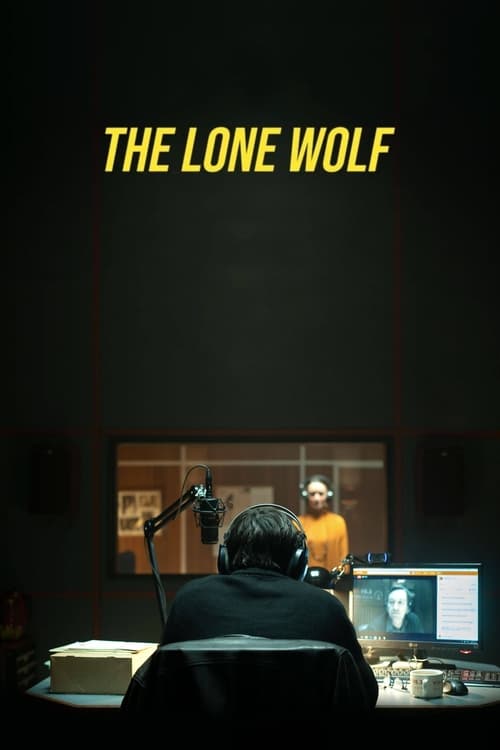
"The Lone Wolf," produced in 2021, contains several elements that may not be suitable for children or sensitive viewers. Here are some potentially objectionable aspects:
-
Violence: The film features intense action sequences that include hand-to-hand combat and weapon use, which may be graphic and unsettling for younger audiences.
-
Emotional Trauma: Characters experience significant emotional distress, including themes of loss and betrayal, which could be upsetting for sensitive viewers.
-
Dark Themes: The narrative explores themes of isolation, revenge, and moral ambiguity, which may be complex and heavy for children to understand.
-
Language: There are instances of strong language that may not be appropriate for younger viewers.
-
Intense Situations: The film includes moments of high tension and suspense that could be frightening for children.
These elements contribute to a tone that may be more suitable for older teens and adults rather than a family-friendly audience.