





Popular
What specific examples of corporate monopolies are highlighted in the film?
How does the film portray the relationship between government and big corporations?
What role do individual activists play in the narrative of the film?
How does the film illustrate the impact of monopolies on everyday consumers?
What specific solutions or alternatives to monopolistic practices does the film propose?
Should I watch it?
Ask Your Own Question

What is the plot?
Sorry, we aren't able to watch and write up a full detailed plot yet. Check back in a few days.








What is the ending?
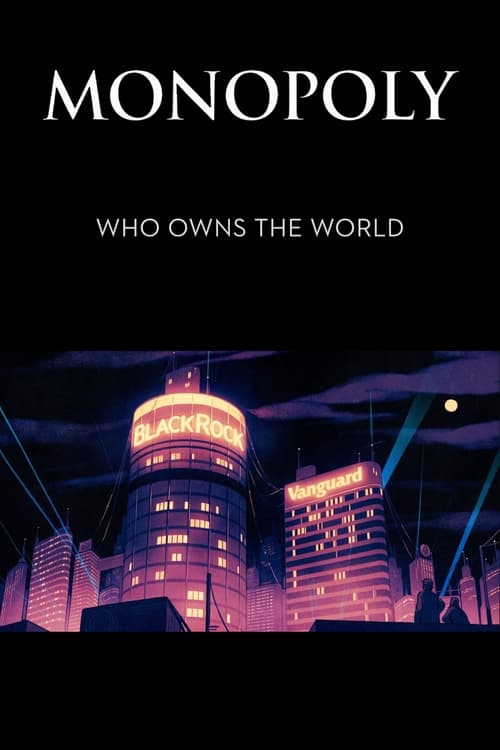
In the ending of "Monopoly: Who Owns the World?", the film culminates in a powerful exploration of the consequences of wealth concentration and corporate power. The narrative reveals the stark realities faced by individuals and communities as they grapple with the overwhelming influence of monopolies. The film closes with a call to action, urging viewers to recognize the importance of collective responsibility in addressing these systemic issues.
As the final scenes unfold, the camera shifts to a series of interviews with various individuals affected by corporate monopolies. Each person shares their personal stories, illustrating the emotional and financial toll that these entities have taken on their lives. The tone is somber, yet there is a glimmer of hope as some individuals express their determination to fight back against the injustices they face.
The film ends with a montage of protests and grassroots movements, showcasing the growing awareness and activism among the populace. The screen fades to black with a powerful message about the need for change, leaving viewers with a sense of urgency and empowerment.
In the final act of "Monopoly: Who Owns the World?", the narrative builds to a poignant climax that encapsulates the film's central themes. The scene opens with a dimly lit room where a group of activists gathers, their faces etched with concern and determination. They discuss the overwhelming power of monopolies and the urgent need for reform. The atmosphere is charged with a mix of anxiety and hope, as each person shares their experiences of being marginalized by corporate giants.
As the camera pans across the room, we see a young woman, her eyes filled with passion, passionately advocating for community-driven solutions. She speaks of her family's struggles, having lost their small business to a larger corporation. Her voice trembles with emotion, revealing the personal stakes involved in the fight against monopolistic practices. The group nods in agreement, their collective resolve strengthening.
The scene transitions to a series of interviews with individuals from various walks of life. A middle-aged man recounts how his job was outsourced to a foreign country, leaving him and his family in financial turmoil. His voice cracks as he describes the sleepless nights spent worrying about how to make ends meet. The camera captures the raw emotion on his face, emphasizing the human cost of corporate greed.
Next, the film shifts to a young activist standing in front of a large crowd at a protest. The energy is palpable as she raises her voice, calling for accountability from the corporations that dominate their lives. The crowd responds with cheers and chants, a visual representation of the growing movement against monopolistic power. The camera captures the diverse faces in the crowd, each one representing a unique story of struggle and resilience.
As the protest unfolds, the film intercuts between scenes of community organizing and the stark realities of corporate influence. We see a local farmer discussing the challenges posed by large agribusinesses that threaten his livelihood. His hands tremble as he holds a handful of soil, symbolizing the connection between people and the land that is being eroded by corporate interests.
The final moments of the film bring the various threads together. The activists, now united, march towards a corporate headquarters, their determination palpable. The camera captures their faces, a mix of fear and courage, as they chant for change. The scene is powerful, underscoring the film's message about the importance of collective action in the face of overwhelming odds.
As the screen fades to black, a final message appears, urging viewers to recognize their power in challenging the status quo. The film concludes with a sense of urgency, leaving the audience with the understanding that the fight against monopolies is far from over. Each character's fate is intertwined with the larger narrative, emphasizing that their struggles are part of a collective journey towards justice and equity.
Is there a post-credit scene?
The movie "Monopoly: Who Owns the World?" does not feature a post-credit scene. The film concludes its exploration of the themes surrounding wealth concentration, corporate power, and economic inequality without any additional scenes or content after the credits roll. The focus remains on the documentary's core message and the insights shared throughout the film, leaving viewers to reflect on the implications of the information presented.
What specific examples of corporate monopolies are highlighted in the film?
The film delves into various corporate monopolies, showcasing companies like Amazon, Google, and Facebook. It illustrates how these corporations dominate their respective markets, stifling competition and influencing consumer behavior. Through interviews and case studies, the documentary emphasizes the impact of these monopolies on small businesses and the economy.
How does the film portray the relationship between government and big corporations?
The film presents a critical view of the relationship between government and big corporations, suggesting that regulatory bodies often favor large companies over smaller entities. It features interviews with experts who discuss lobbying, campaign financing, and the revolving door between government positions and corporate jobs, highlighting how these factors contribute to the perpetuation of monopolistic practices.
What role do individual activists play in the narrative of the film?
Individual activists are portrayed as crucial players in the fight against monopolies. The film follows several grassroots movements and activists who challenge corporate power, advocating for fair competition and consumer rights. Their personal stories and motivations are explored, showcasing their determination and the emotional toll of their activism.
How does the film illustrate the impact of monopolies on everyday consumers?
The film uses real-life examples and testimonials from consumers to illustrate the impact of monopolies on daily life. It highlights issues such as rising prices, lack of choices, and the erosion of privacy. Through emotional narratives, viewers see how monopolistic practices affect not just the economy but also the personal lives of individuals.
What specific solutions or alternatives to monopolistic practices does the film propose?
The film proposes several solutions to combat monopolistic practices, including stronger antitrust laws, increased regulation of corporate lobbying, and support for local businesses. It features interviews with economists and policy makers who discuss potential reforms and the importance of fostering a competitive marketplace to benefit consumers and the economy.
Is this family friendly?
"Monopoly: Who Owns the World?" is a documentary that explores themes of economic inequality, corporate power, and the influence of monopolies on society. While it does not contain explicit content, there are several aspects that may be challenging for children or sensitive viewers:
-
Discussion of Economic Inequality: The film presents stark statistics and narratives about wealth disparity, which may be upsetting for younger audiences who may not fully grasp the implications.
-
Interviews with Affected Individuals: Personal stories from individuals impacted by corporate decisions can evoke strong emotions, including sadness and frustration.
-
Visuals of Poverty and Struggle: The documentary includes imagery and footage that depict poverty, homelessness, and the struggles of everyday people, which may be distressing.
-
Critique of Corporate Practices: The film critiques large corporations and their practices, which may lead to feelings of anger or confusion regarding the fairness of the economic system.
-
Complex Economic Concepts: The film delves into complex ideas about capitalism and monopolies that may be difficult for children to understand, potentially leading to feelings of frustration or anxiety.
Overall, while the film is not explicitly inappropriate, its themes and content may require parental guidance for younger viewers.