





Loading additional questions...
Popular
What is the relationship between the two main characters, Austin and Lee?
How does the setting of the brothers' mother's home influence the story?
What role does the character of the mother play in the brothers' dynamic?
What is the significance of the stolen typewriter in the plot?
How do Austin and Lee's differing views on success manifest in their interactions?
Should I watch it?
Ask Your Own Question

What is the plot?
Sorry, we aren't able to watch and write up a full detailed plot yet. Check back in a few days.


What is the ending?
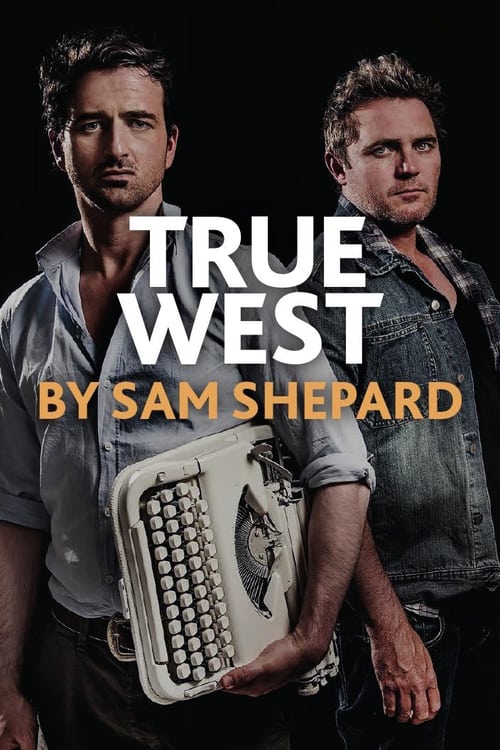
In the ending of the movie "True West" (2016), the conflict between the two brothers, Austin and Lee, reaches a climax. The tension escalates as they confront their past and their differing life choices. The film concludes with a violent confrontation that leaves both brothers in a state of chaos, ultimately leading to a tragic resolution.
As the final scenes unfold, the atmosphere is thick with unresolved tension. The setting is a dimly lit kitchen, cluttered with remnants of their earlier arguments and the remnants of their lives. Austin, who has been trying to maintain a semblance of order and success, is increasingly frustrated with Lee's reckless and chaotic lifestyle. Lee, embodying a wild and untamed spirit, is determined to assert his dominance and challenge Austin's perceived superiority.
The confrontation begins with a heated exchange, where both brothers hurl accusations and reveal deep-seated resentments. Austin's desperation to escape the cycle of dysfunction is palpable, while Lee's defiance and refusal to conform to societal expectations drive him to provoke Austin further. The dialogue crackles with intensity, each word a reflection of their fractured relationship.
As the argument escalates, physicality becomes a key element. Lee, in a moment of rage, shatters the fragile peace, leading to a violent struggle between the two. The kitchen, once a space of familial connection, transforms into a battleground where their emotional scars are laid bare. The chaos of their fight mirrors the turmoil within each brother, revealing their vulnerabilities and fears.
In the climax of their confrontation, the brothers grapple with not just each other, but with their own identities. Austin's desire for stability clashes with Lee's chaotic freedom, and in this moment, the audience witnesses the culmination of their conflicting desires. The struggle is not just for dominance but for recognition and understanding.
The film concludes with a haunting silence following the chaos. The aftermath leaves both brothers in a state of disarray. Austin, battered and emotionally drained, is left to confront the reality of his choices and the futility of his attempts to escape his past. Lee, on the other hand, stands amidst the wreckage, embodying the wildness that has defined his existence but also facing the consequences of his actions.
In the final moments, the camera lingers on the remnants of their confrontation, emphasizing the emotional and physical toll of their conflict. The fate of both brothers is left ambiguous, encapsulating the cyclical nature of their struggles and the unresolved tension that defines their relationship. The film closes, leaving the audience to ponder the complexities of family, identity, and the inescapable ties that bind them.
Is there a post-credit scene?
What is the relationship between the two main characters, Austin and Lee?
Austin and Lee are brothers with a tumultuous relationship. Austin is a successful screenwriter, while Lee is a drifter with a troubled past. Their contrasting lifestyles create tension, as Austin's stability clashes with Lee's chaotic nature.
How does the setting of the brothers' mother's home influence the story?
The story is set in their mother's home in the California desert, which serves as a backdrop for their conflict. The home symbolizes their childhood and the unresolved issues between them, amplifying the emotional stakes as they confront their past.
What role does the character of the mother play in the brothers' dynamic?
Although she is not physically present, the mother's influence looms large over the brothers. Her absence and the memories of their upbringing fuel their rivalry and resentment, particularly as they vie for her approval and the legacy of her home.
What is the significance of the stolen typewriter in the plot?
The stolen typewriter represents the clash between the brothers' ambitions and their moral boundaries. It becomes a symbol of Austin's creative aspirations and Lee's impulsive nature, leading to a pivotal moment that escalates their conflict.
How do Austin and Lee's differing views on success manifest in their interactions?
Austin's pursuit of a stable, conventional success contrasts sharply with Lee's reckless, opportunistic approach. Their interactions often highlight this divide, with Austin's frustration boiling over as Lee's antics disrupt his life and career.









