












Popular
What is André Leon Talley's relationship with his grandmother and how does it influence his life?
How does André Leon Talley describe his experiences at the fashion shows in Paris?
What challenges does André face as a Black man in the fashion industry?
How does André's friendship with Anna Wintour evolve throughout the film?
What role does André's upbringing in the South play in shaping his identity?
Should I watch it?
Ask Your Own Question

What is the plot?
Sorry, we aren't able to watch and write up a full detailed plot yet. Check back in a few days.
More Movies Like This
Browse All Movies →





What is the ending?
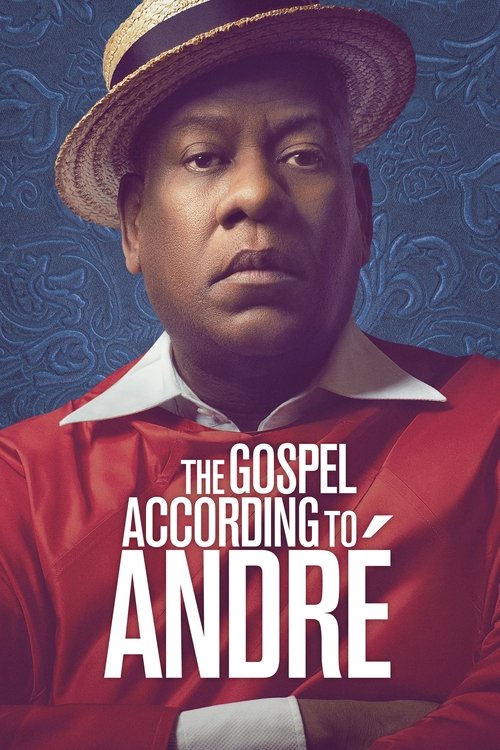
In the ending of "The Gospel According to André," André Leon Talley reflects on his life and career, embracing his identity and the impact he has made in the fashion world. He acknowledges the challenges he faced, including racism and personal loss, but ultimately finds peace and fulfillment in his journey. The film concludes with a sense of celebration of his legacy and the importance of authenticity in self-expression.
As the film approaches its conclusion, we see André Leon Talley in a contemplative state, surrounded by the vibrant world of fashion that has defined his life. The scenes shift to a montage of his past, showcasing his rise from humble beginnings in North Carolina to becoming a prominent figure in the fashion industry. The camera captures his iconic moments, from his time at Vogue to his interactions with influential designers and celebrities.
In one poignant scene, André visits his childhood home, reflecting on the values instilled in him by his grandmother. This visit is filled with emotion as he recalls the struggles and triumphs of his early life, emphasizing the deep connection he has to his roots. The warmth of nostalgia envelops him, and he expresses gratitude for the journey that has shaped him.
The narrative then transitions to André attending various fashion events, where he is celebrated not just for his contributions to fashion but also for his role as a trailblazer for Black individuals in the industry. He interacts with younger designers and models, imparting wisdom and encouragement, showcasing his desire to uplift the next generation. His passion for fashion is palpable, and he radiates joy as he engages with the creativity around him.
As the film nears its end, André reflects on the challenges he has faced, including the loss of friends and the impact of racism in his career. He speaks candidly about the loneliness that sometimes accompanies success, yet he remains resolute in his belief in the power of self-expression and authenticity. The emotional weight of his experiences is evident, but he emerges with a sense of pride in who he is and what he has accomplished.
The final scenes depict André in a serene moment, perhaps in his home, surrounded by mementos of his life and career. He looks directly into the camera, sharing a heartfelt message about the importance of being true to oneself and the beauty of embracing one's identity. The film closes with a montage of his most memorable moments, accompanied by uplifting music that celebrates his legacy.
In this ending, André Leon Talley stands as a symbol of resilience and creativity, having navigated the complexities of the fashion world while remaining true to his roots. The film leaves viewers with a sense of hope and inspiration, highlighting the significance of authenticity and the impact one individual can have on an entire industry.
Is there a post-credit scene?
The Gospel According to André does not have a post-credit scene. The film concludes with a reflective tone, focusing on André Leon Talley's life, his impact on the fashion industry, and his personal journey. The final moments encapsulate his thoughts and experiences, leaving the audience with a sense of closure regarding his story without any additional scenes after the credits.
What is André Leon Talley's relationship with his grandmother and how does it influence his life?
André Leon Talley shares a deep and formative relationship with his grandmother, who played a pivotal role in his upbringing. Raised in the segregated South, his grandmother instilled in him a sense of pride and a love for fashion. She worked as a domestic worker and introduced him to the world of elegance and style, which would later influence his career in fashion journalism. Her values and teachings resonate throughout André's life, shaping his identity and aspirations.
How does André Leon Talley describe his experiences at the fashion shows in Paris?
André Leon Talley vividly recounts his experiences at Paris fashion shows, describing them as transformative and exhilarating. He reflects on the glamour, the artistry, and the cultural significance of these events. His emotional connection to the fashion world is palpable as he shares moments of awe and inspiration, highlighting the creativity and innovation that define the industry. These experiences not only solidify his place in fashion but also serve as a backdrop for his personal journey.
What challenges does André face as a Black man in the fashion industry?
Throughout the documentary, André Leon Talley candidly discusses the challenges he faces as a Black man in a predominantly white fashion industry. He confronts issues of racism, exclusion, and the struggle for representation. His determination to break barriers and advocate for diversity is a recurring theme, showcasing his resilience and commitment to paving the way for future generations in fashion.
How does André's friendship with Anna Wintour evolve throughout the film?
André Leon Talley's friendship with Anna Wintour is portrayed as a complex and evolving relationship. Initially, they share a mutual respect and admiration, with André serving as a trusted confidant and collaborator. However, as the fashion landscape changes, tensions arise, reflecting the shifting dynamics of their friendship. André's candid reflections on their relationship reveal both the warmth and the challenges they face, illustrating the intricacies of personal and professional bonds in the competitive world of fashion.
What role does André's upbringing in the South play in shaping his identity?
André Leon Talley's upbringing in the South is a significant aspect of his identity, influencing his perspectives on race, culture, and style. Growing up in a segregated environment, he faced both adversity and inspiration, which fueled his ambition. The values instilled by his grandmother and the rich cultural heritage of the South are woven into his narrative, providing a foundation for his journey in the fashion world and his quest for self-acceptance and success.
Is this family friendly?
"The Gospel According to André" is a documentary that explores the life and career of André Leon Talley, a prominent figure in the fashion industry. While the film is generally suitable for a wide audience, there are a few aspects that may be considered objectionable or upsetting for children or sensitive viewers:
-
Discussion of Racism: The film touches on André's experiences with racism in the fashion industry, which may be difficult for younger viewers to understand fully.
-
Personal Struggles: André shares personal stories about his struggles with identity, acceptance, and the pressures of the fashion world, which may evoke strong emotions.
-
Themes of Loss: There are moments that reflect on loss and the impact of death in André's life, which could be upsetting for some viewers.
-
Fashion Industry Realities: The documentary does not shy away from the competitive and sometimes harsh realities of the fashion industry, which may be intense for younger audiences.
Overall, while the film is insightful and inspiring, it does contain themes and discussions that may require parental guidance for younger viewers.









