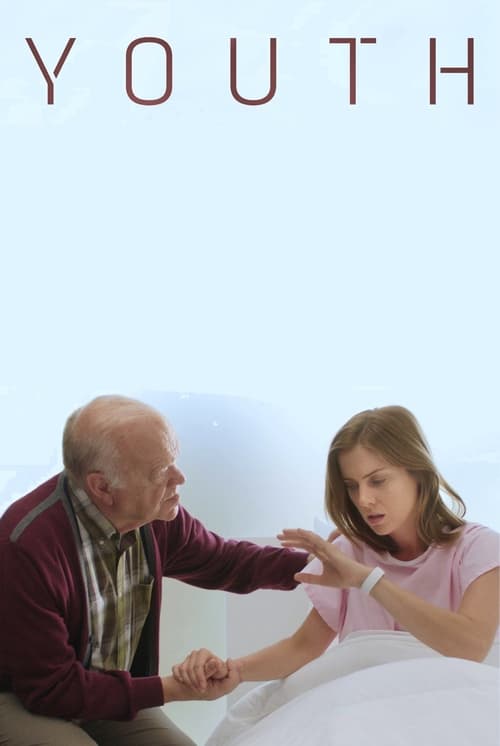












Popular
What is the significance of the relationship between Fred Ballinger and Mick Boyle?
How does the character of Lena influence Fred's perspective on life and aging?
What role does the setting of the Swiss hotel play in the story?
How does the character of Brenda impact Fred's emotional journey?
What is the significance of the recurring theme of music in Fred's character arc?
Should I watch it?
Ask Your Own Question

What is the plot?
Sorry, we aren't able to watch and write up a full detailed plot yet. Check back in a few days.







What is the ending?
In the ending of the movie "Youth," Fred Ballinger decides to return to his life in the world of music, while Mick Boyle comes to terms with his own artistic legacy. The film concludes with a poignant moment of reflection as Fred performs a piece he has long avoided, symbolizing acceptance and the passage of time.
As the film approaches its conclusion, we find Fred Ballinger, played by Michael Caine, in the serene yet melancholic setting of a luxury Swiss hotel. The atmosphere is thick with the weight of memories and the inevitability of aging. Fred has been grappling with the decision to perform a piece he has been asked to play for the Queen, a request that has stirred deep emotions within him. He has resisted this call, feeling that his past is behind him and that he has little left to offer.
In a pivotal scene, Fred is visited by his daughter, Lena, portrayed by Rachel Weisz. Their conversation is filled with unspoken tension and love, revealing the complexities of their relationship. Lena expresses her concerns about Fred's reluctance to embrace his musical legacy, urging him to confront his fears. This moment serves as a catalyst for Fred, igniting a spark of determination within him.
Meanwhile, Mick Boyle, played by Harvey Keitel, is in the midst of his own existential crisis. He is a filmmaker struggling to complete his final screenplay, which he believes will encapsulate his life's work. As he reflects on his past and the nature of creativity, he finds himself at a crossroads, questioning the impact of his art and the legacy he will leave behind. Mick's journey is intertwined with Fred's, as both men confront the realities of aging and the passage of time.
In the final scenes, Fred makes the decision to perform the piece for the Queen. The setting shifts to a grand, intimate space where he is surrounded by an audience that includes Mick and other guests. As he begins to play, the music resonates with deep emotion, capturing the essence of his life's experiences. The performance is not just a display of talent; it is a cathartic release, a moment of vulnerability where Fred embraces his identity as a musician.
Simultaneously, Mick finds closure in his own journey. He acknowledges the importance of his work and the stories he has yet to tell. In a moment of reflection, he realizes that his legacy is not solely defined by the films he has made but by the connections he has forged throughout his life. This realization brings him a sense of peace, allowing him to step away from the pressures of his career.
As the film draws to a close, we see Fred and Mick sharing a quiet moment together, reflecting on their lives and the choices they have made. The final shot captures Fred's serene expression as he plays, symbolizing acceptance and the beauty of embracing one's past while looking forward to the future. The film ends on a note of hope, suggesting that while aging brings challenges, it also offers opportunities for reflection, connection, and artistic expression.
Is there a post-credit scene?
The movie "Youth," directed by Paolo Sorrentino and released in 2015, does not have a post-credit scene. The film concludes with a poignant and reflective ending that encapsulates the themes of aging, creativity, and the passage of time. After the final credits roll, there are no additional scenes or content that follow. The narrative wraps up with the characters' journeys and emotional arcs fully realized, leaving the audience to ponder the film's deeper messages without any further visual or narrative additions.
What is the significance of the relationship between Fred Ballinger and Mick Boyle?
Fred Ballinger, a retired composer, and Mick Boyle, a film director, share a deep friendship that serves as the emotional core of the film. Their conversations reveal their contrasting views on aging, creativity, and legacy. Fred is introspective and resigned, while Mick is still striving for artistic relevance, which creates tension and reflection on their pasts.
How does the character of Lena influence Fred's perspective on life and aging?
Lena, a young actress, represents youth and vitality, contrasting sharply with Fred's feelings of obsolescence. Their interactions evoke a sense of nostalgia and longing in Fred, as he grapples with his own fading relevance in the world of music. Lena's admiration for Fred's work reignites a spark in him, prompting him to confront his fears about aging and mortality.
What role does the setting of the Swiss hotel play in the story?
The Swiss hotel serves as a luxurious yet isolating backdrop for the characters' introspection. Its serene environment contrasts with the internal turmoil of Fred and Mick, allowing for moments of reflection and confrontation with their pasts. The hotel becomes a microcosm of their lives, where they face their regrets and desires amidst the beauty of the Alps.
How does the character of Brenda impact Fred's emotional journey?
Brenda, Fred's estranged daughter, embodies the complexities of familial relationships and unresolved issues. Their strained interactions highlight Fred's feelings of guilt and regret over his past choices as a father. Brenda's presence forces Fred to confront his emotional vulnerabilities, ultimately leading to a poignant reconciliation that underscores the film's exploration of love and forgiveness.
What is the significance of the recurring theme of music in Fred's character arc?
Music is central to Fred's identity and serves as a means of expression and connection to his past. Throughout the film, his reluctance to perform his famous piece reflects his struggle with aging and the fear of losing his creative spark. As he navigates his relationships and confronts his legacy, music becomes a powerful symbol of both his achievements and his insecurities.
Is this family friendly?
"Youth," directed by Paolo Sorrentino, is not considered family-friendly due to its mature themes and content. Here are some potentially objectionable or upsetting aspects that may affect children or sensitive viewers:
-
Nudity and Sexual Content: The film features scenes with nudity and sexual situations, including a prominent scene involving a nude female character, which may be inappropriate for younger audiences.
-
Profanity: There is frequent use of strong language throughout the film, which may be offensive to some viewers.
-
Themes of Aging and Mortality: The film explores deep and often somber themes related to aging, death, and the passage of time, which may be distressing for sensitive viewers.
-
Emotional Turmoil: Characters experience significant emotional struggles, including depression and existential crises, which could be heavy for younger audiences to process.
-
Substance Use: There are instances of alcohol consumption and references to drug use, which may not be suitable for children.
These elements contribute to the film's overall tone and message, making it more appropriate for adult audiences.