













Popular
What challenges does the wrestler Chris Hero face in his career throughout the film?
How does the film portray the relationship between wrestlers and their families?
What role does the concept of legacy play in the motivations of the wrestlers featured in the film?
How does the film depict the physical toll of professional wrestling on its athletes?
What insights does the film offer about the mental health struggles faced by professional wrestlers?
Should I watch it?
Ask Your Own Question

What is the plot?
Sorry, we aren't able to watch and write up a full detailed plot yet. Check back in a few days.
More Movies Like This
Browse All Movies →



What is the ending?
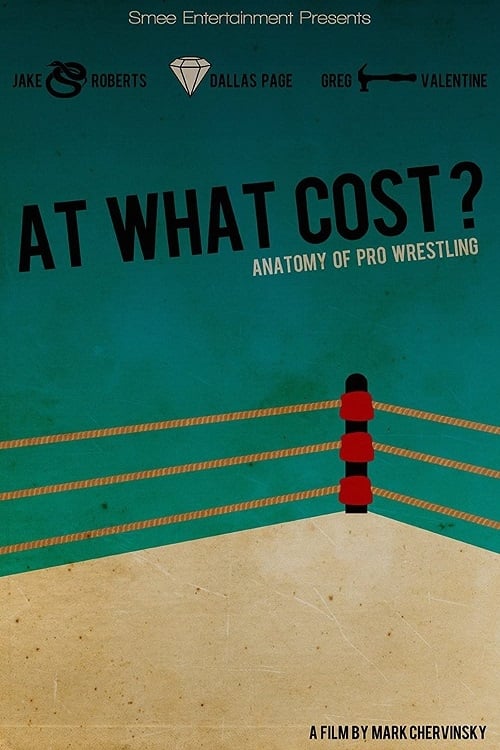
In the ending of "At What Cost? Anatomy of Professional Wrestling," the film culminates in a poignant exploration of the sacrifices made by professional wrestlers. The narrative focuses on the emotional and physical toll that the sport takes on its participants, particularly highlighting the struggles of the main characters as they confront the realities of their careers. The film closes with a somber reflection on the legacy of wrestling, leaving viewers with a sense of the cost of fame and the personal sacrifices made by those in the ring.
As the film approaches its conclusion, the scenes shift to a series of interviews with various wrestlers who have faced significant challenges in their careers. The camera captures their weary faces, lined with the marks of their battles, both in and out of the ring. Each wrestler shares their personal stories, revealing the emotional scars that accompany their physical injuries. The audience sees the toll of years spent performing, with many grappling with chronic pain, addiction, and the loss of relationships.
One key character, who has been a central figure throughout the documentary, reflects on his journey. He sits in a dimly lit room, the shadows playing across his face as he recounts the highs of his career--the adrenaline of the crowd, the thrill of victory--contrasted sharply with the lows, including the injuries that have left him physically and emotionally drained. His voice trembles as he speaks about the friends he has lost to the darker side of wrestling, emphasizing the fragility of life in this brutal profession.
The film then transitions to a montage of wrestling matches, showcasing the intensity and spectacle of the sport. However, the excitement is undercut by the knowledge of the personal costs involved. The camera lingers on the faces of the wrestlers as they perform, capturing the mixture of joy and pain etched into their expressions. The audience is reminded that each slam and fall carries with it the weight of sacrifice.
In the final scenes, the documentary returns to the main characters, now reflecting on their futures. One wrestler, who has been contemplating retirement, expresses a desire to step away from the ring to focus on his health and family. His eyes glisten with unshed tears as he acknowledges the difficult decision, recognizing that while wrestling has defined him, it has also taken so much away.
Another character, who has struggled with addiction, shares a moment of clarity. He stands outside, looking up at the sky, as he vows to seek help and reclaim his life. The film captures the raw emotion of this moment, emphasizing the hope that can emerge from despair.
As the credits begin to roll, the final images are of the wrestlers, now outside the ring, engaging in everyday life. They are shown with their families, attending support groups, and pursuing new passions. The film closes with a powerful message about resilience and the importance of recognizing the cost of one's dreams, leaving the audience to ponder the sacrifices made in the pursuit of glory in the world of professional wrestling.
Is there a post-credit scene?
At What Cost? Anatomy of Professional Wrestling does not feature a post-credit scene. The film concludes with a powerful reflection on the lives of professional wrestlers, their sacrifices, and the toll that the industry takes on their physical and mental well-being. The final moments emphasize the emotional weight of the stories shared throughout the documentary, leaving the audience to ponder the costs associated with fame and the pursuit of passion in the wrestling world.
What challenges does the wrestler Chris Hero face in his career throughout the film?
Chris Hero, a talented wrestler, grapples with the pressures of maintaining his physical health while striving for success in the wrestling industry. He experiences injuries that threaten his career, leading to moments of self-doubt and reflection on the sacrifices he must make for his passion.
How does the film portray the relationship between wrestlers and their families?
The film delves into the personal lives of wrestlers, showcasing the strain that their demanding schedules and physical toll take on their relationships with family members. It highlights moments of emotional conflict, where wrestlers like Hero struggle to balance their love for the sport with their responsibilities at home.
What role does the concept of legacy play in the motivations of the wrestlers featured in the film?
Legacy is a driving force for many wrestlers in the film, particularly for those like Hero who aspire to leave a lasting impact on the wrestling world. The film captures their internal struggles as they weigh the desire for fame and recognition against the physical and emotional costs of their careers.
How does the film depict the physical toll of professional wrestling on its athletes?
The film provides a raw and unfiltered look at the physical demands placed on wrestlers, showcasing the injuries, pain, and recovery processes they endure. It includes graphic depictions of training regimens, matches, and the aftermath of injuries, emphasizing the harsh realities of the profession.
What insights does the film offer about the mental health struggles faced by professional wrestlers?
The film addresses the mental health challenges that wrestlers encounter, including anxiety, depression, and the pressure to perform. It features candid interviews where wrestlers share their personal battles, revealing the often-overlooked psychological aspects of a career in professional wrestling.
Is this family friendly?
At What Cost? Anatomy of Professional Wrestling is a documentary that delves into the world of professional wrestling, exploring its impact on the lives of the wrestlers involved. While it provides an insightful look into the industry, there are several aspects that may be objectionable or upsetting for children or sensitive viewers:
-
Violence and Injury: The film includes graphic depictions of injuries sustained by wrestlers, showcasing the physical toll the sport takes on their bodies. This may be distressing for younger audiences.
-
Substance Abuse: There are discussions surrounding the use of performance-enhancing drugs and other substances within the wrestling community, which may be inappropriate for children.
-
Mental Health Struggles: The documentary addresses issues related to mental health, including depression and anxiety faced by wrestlers, which could be heavy and triggering for some viewers.
-
Personal Tragedies: The film touches on the personal lives of wrestlers, including family struggles and the impact of their careers on relationships, which may evoke strong emotional responses.
-
Profanity and Adult Themes: There may be instances of strong language and adult themes that are not suitable for younger audiences.
Overall, while the documentary provides valuable insights into the wrestling industry, its mature themes and content may not be appropriate for all viewers, particularly children.








