


Popular
What motivates Dr. Jose Mireles to lead the Autodefensas in Mexico?
How does the relationship between Dr. Mireles and the Autodefensas evolve throughout the film?
What role does the U.S. border play in the narrative of Cartel Land?
How does the film portray the impact of cartel violence on the local communities?
What challenges does Dr. Mireles face as he leads the Autodefensas against the cartels?
Should I watch it?
Ask Your Own Question

What is the plot?
Sorry, we aren't able to watch and write up a full detailed plot yet. Check back in a few days.
More Movies Like This
Browse All Movies →



What is the ending?
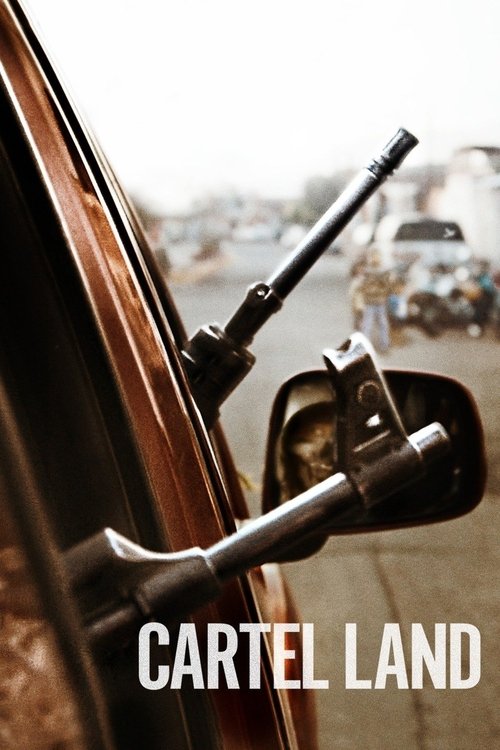
In the ending of "Cartel Land," the film culminates in a tense confrontation between the self-defense groups and the drug cartels in Mexico. The film closes with a sense of unresolved conflict, highlighting the ongoing violence and the personal toll it takes on the individuals involved. The main characters, including Dr. Jose Mireles and the members of the Autodefensas, face the harsh realities of their fight against the cartels, with some suffering severe consequences for their actions.
As the film progresses towards its conclusion, we see Dr. Jose Mireles, a charismatic leader of the Autodefensas, grappling with the consequences of his role in the fight against the Knights Templar cartel. The scene shifts to a tense atmosphere in Michoacán, where the Autodefensas have gained some ground but are still under constant threat from the cartel. Mireles, who has become a symbol of resistance, is seen addressing his followers, instilling hope and determination in them. However, there is an underlying tension as the reality of their situation weighs heavily on him.
In a pivotal moment, Mireles is arrested by the Mexican government, which complicates the fight against the cartels. His arrest is a significant blow to the Autodefensas, as he was not only a leader but also a figure of inspiration for many. The scene captures the shock and despair among the members of the group, who feel abandoned and vulnerable without his guidance. The camera lingers on their faces, reflecting a mix of fear and uncertainty about the future of their movement.
As the narrative unfolds, we witness the continued violence in the region. The film juxtaposes scenes of the Autodefensas engaging in firefights with cartel members against the backdrop of the everyday lives of the citizens caught in the crossfire. The emotional toll of this conflict is palpable, as families mourn their losses and communities are torn apart. The filmmakers capture the chaos of these encounters, with gunfire echoing in the streets and the palpable fear of the residents.
In the final scenes, the film shifts focus to the broader implications of the fight against the cartels. The Autodefensas, despite their initial successes, face increasing challenges as the government and the cartels push back. The film ends on a somber note, with a montage of images showing the ongoing violence and instability in Michoacán. The audience is left with a sense of the cyclical nature of this conflict, as the struggle against the cartels continues, and the personal sacrifices made by individuals like Mireles and his followers resonate deeply.
Ultimately, the fate of Dr. Jose Mireles remains uncertain as he is imprisoned, and the Autodefensas are left to navigate a treacherous landscape without their leader. The film closes with a haunting reminder of the cost of this war, both for those fighting it and for the innocent lives affected by the violence. The unresolved nature of the conflict serves as a powerful commentary on the complexities of the drug war in Mexico, leaving viewers to ponder the future of the region and its people.
Is there a post-credit scene?
"Cartel Land," directed by Matthew Heineman, does not have a post-credit scene. The film concludes with a powerful and somber reflection on the ongoing violence and turmoil in Mexico due to drug cartels. It leaves viewers with a sense of the unresolved issues surrounding the drug war and the personal stories of those affected, rather than offering any additional scenes or resolutions after the credits. The focus remains on the harsh realities faced by individuals like Dr. Jose Mireles and the vigilante groups fighting against the cartels, emphasizing the gravity of the situation rather than providing a cinematic closure.
What motivates Dr. Jose Mireles to lead the Autodefensas in Mexico?
Dr. Jose Mireles, a physician in Michoacán, is driven by a deep sense of justice and a personal connection to the violence inflicted by the drug cartels. He witnesses the suffering of his community, including the loss of friends and family members to cartel violence. His frustration with the government's inability to protect its citizens fuels his determination to take action, leading him to form the Autodefensas, a self-defense group aimed at reclaiming safety and dignity for the people.
How does the relationship between Dr. Mireles and the Autodefensas evolve throughout the film?
Initially, Dr. Mireles is seen as a charismatic leader who inspires the Autodefensas with his passion and commitment to their cause. As the group gains momentum and begins to confront the cartels, tensions arise due to differing opinions on strategy and the use of violence. Dr. Mireles struggles with the moral implications of their actions, and as the group becomes more militarized, his leadership is challenged, leading to a complex dynamic where loyalty, fear, and the quest for justice intertwine.
What role does the U.S. border play in the narrative of Cartel Land?
The U.S. border serves as a critical backdrop in Cartel Land, highlighting the interconnectedness of drug trafficking and violence on both sides. The film juxtaposes the struggles of the Autodefensas in Mexico with the efforts of American vigilante groups, such as the Arizona Border Recon, who patrol the border to combat illegal immigration and drug smuggling. This dual perspective emphasizes the broader implications of the drug war and the varying responses to cartel violence, showcasing the complexities of law enforcement and community action.
How does the film portray the impact of cartel violence on the local communities?
Cartel Land vividly depicts the devastating effects of cartel violence on local communities through harrowing personal stories and stark visuals. Families are shown mourning lost loved ones, while others live in constant fear of extortion and violence. The film captures the emotional toll on individuals, illustrating how the pervasive threat of the cartels disrupts daily life, instills a sense of hopelessness, and ultimately drives ordinary citizens to take up arms in defense of their homes and families.
What challenges does Dr. Mireles face as he leads the Autodefensas against the cartels?
Dr. Mireles faces numerous challenges as he leads the Autodefensas, including internal divisions within the group, the escalating violence from the cartels, and the scrutiny of government authorities. His commitment to the cause is tested as he grapples with the consequences of their actions, including the potential for becoming what they initially sought to fight against. Additionally, he faces personal risks, including threats to his life, as the cartels retaliate against his leadership and the growing power of the Autodefensas.
Is this family friendly?
"Cartel Land," produced in 2015, is a documentary that explores the violent drug wars in Mexico and the vigilante groups that arise in response. It is not considered family-friendly due to its intense and graphic content.
Potentially objectionable or upsetting aspects include:
-
Violence: The film contains graphic depictions of violence, including scenes of armed confrontations and the aftermath of violent acts, which may be disturbing to viewers.
-
Death and Injury: There are images and discussions surrounding death, including the impact of drug-related violence on communities and families.
-
Drug Use: The documentary addresses drug trafficking and the associated culture, which may include references to drug use and its consequences.
-
Emotional Distress: The film portrays the emotional toll on individuals and families affected by the drug war, showcasing grief, fear, and trauma.
-
Real-Life Consequences: The documentary presents the harsh realities of life in regions affected by cartel violence, which may be upsetting for sensitive viewers.
Overall, the film's mature themes and graphic content make it unsuitable for children and potentially distressing for sensitive audiences.








