


Popular
How does Anna's relationship with her father evolve throughout the film?
What role does the setting of the small town play in the story?
What motivates the main character, a mother, to return to her hometown?
What are the key events that lead to Anna's emotional breakdown?
How does the film depict Anna's internal struggle with her identity?
Should I watch it?
Ask Your Own Question

What is the plot?
Sorry, we aren't able to watch and write up a full detailed plot yet. Check back in a few days.







What is the ending?
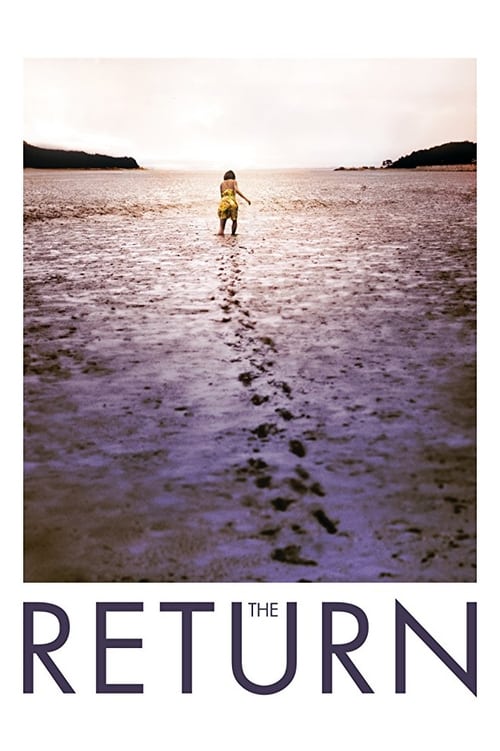
In the ending of "The Return," the protagonist, a woman named Anna, confronts her past and the choices she made. After a series of emotional revelations and confrontations, she ultimately decides to leave her old life behind, symbolizing a fresh start. The film concludes with Anna walking away from her past, embracing the uncertainty of her future.
As the final act unfolds, the atmosphere is thick with tension. Anna stands in her dimly lit apartment, the remnants of her former life scattered around her. The camera lingers on her face, capturing the turmoil within her as she grapples with the weight of her decisions. She reflects on her relationships, particularly with her estranged family and the friends she has lost along the way.
In a pivotal scene, Anna receives a phone call from her mother, who has been trying to reach out to her throughout the film. The conversation is fraught with unspoken words and unresolved feelings. Anna's voice trembles as she listens to her mother express her longing for reconciliation. The emotional distance between them is palpable, yet Anna feels a flicker of hope. She realizes that to move forward, she must confront the pain of her past.
The scene shifts to Anna meeting with her childhood friend, who has been a constant presence in her life. They sit across from each other in a small café, the ambiance warm yet heavy with unaddressed issues. As they talk, Anna's friend urges her to let go of the guilt that has been holding her back. The dialogue is raw and honest, revealing the depth of their bond and the struggles they have both faced. Anna's eyes well up with tears as she acknowledges her mistakes, but she also begins to understand that forgiveness is a crucial step toward healing.
In the climax, Anna stands at a crossroads, both literally and metaphorically. She is faced with the choice of returning to her old life or stepping into the unknown. The camera captures her hesitation, the weight of her past pulling her back while the promise of a new beginning beckons her forward. With a deep breath, she takes a step away from her old life, symbolizing her decision to embrace change.
The final scene is poignant and reflective. Anna walks down a sunlit street, the warmth of the sun on her face contrasting with the shadows of her past. She glances back one last time, a mixture of sadness and relief washing over her. The film closes with her silhouette fading into the distance, leaving behind the remnants of her former self.
As the credits roll, the fates of the main characters are revealed: Anna has chosen to prioritize her own well-being and growth, her mother is left with the hope of reconciliation, and her friend continues to support her from afar. Each character's journey is intertwined, highlighting the themes of forgiveness, self-discovery, and the courage it takes to move forward.
Is there a post-credit scene?
In the movie "The Return" produced in 2018, there is no post-credit scene. The film concludes its narrative without any additional scenes or content after the credits roll. The story wraps up with a focus on the emotional and psychological journey of the characters, leaving the audience with a sense of closure regarding the events that transpired throughout the film.
How does Anna's relationship with her father evolve throughout the film?
Initially, Anna's relationship with her father is strained and filled with resentment due to their tumultuous past. As the story unfolds, she begins to understand his struggles and the reasons behind his actions, leading to moments of reconciliation and emotional confrontation that reveal the complexities of their bond.
What role does the setting of the small town play in the story?
The small town serves as a character in itself, representing both nostalgia and the weight of the past. Its familiar yet haunting landscapes evoke memories for Anna, influencing her emotional journey as she navigates her feelings of belonging, isolation, and the ghosts of her childhood.
What motivates the main character, a mother, to return to her hometown?
The main character, a mother named Anna, is driven by a deep sense of loss and unresolved trauma from her past. She returns to her hometown after receiving news about her estranged father, which forces her to confront her childhood memories and the painful relationship she had with her family.
What are the key events that lead to Anna's emotional breakdown?
Key events include her encounters with old friends who remind her of her past, the discovery of family secrets, and the confrontation with her father. Each of these moments builds tension and culminates in a powerful emotional breakdown where Anna must face her grief and the impact of her family's history on her life.
How does the film depict Anna's internal struggle with her identity?
Anna's internal struggle is depicted through her flashbacks and interactions with her family and friends. She grapples with feelings of guilt, anger, and confusion about her identity, which are exacerbated by her return to a place that holds both cherished memories and painful reminders of her past.
Is this family friendly?
"The Return," produced in 2018, is a psychological thriller that explores themes of trauma, loss, and the complexities of familial relationships. While it may not be explicitly graphic, there are several elements that could be considered objectionable or upsetting for children or sensitive viewers.
-
Emotional Distress: The film delves into heavy emotional themes, including grief and the impact of past traumas, which may be difficult for younger audiences to process.
-
Intense Family Conflict: There are scenes of intense arguments and confrontations between family members that may be distressing, showcasing the strain and dysfunction within the family dynamic.
-
Dark Atmosphere: The overall tone of the film is somber and tense, which could be unsettling for younger viewers. The visual style often emphasizes shadows and isolation, contributing to a feeling of unease.
-
Themes of Abandonment: The narrative includes elements of abandonment and the emotional fallout from it, which could resonate negatively with sensitive viewers.
-
Mature Themes: The film touches on themes of mental health and the repercussions of unresolved issues, which may be challenging for children to understand.
Overall, while "The Return" does not contain overtly graphic content, its emotional weight and thematic depth may not be suitable for a family-friendly viewing experience.