
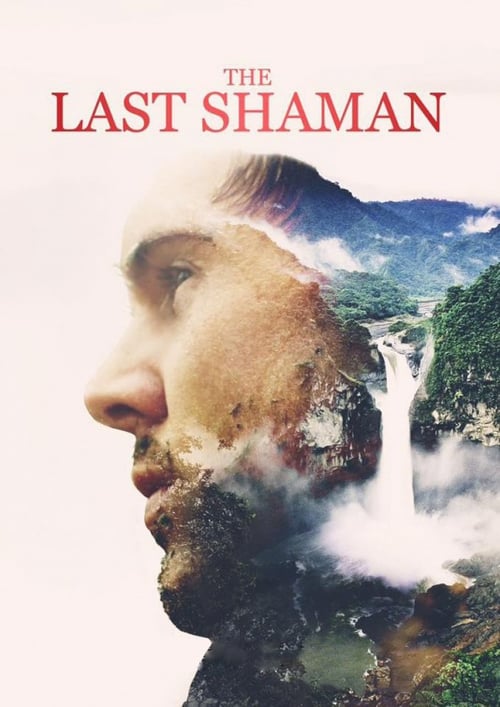


Popular
What motivates the main character, James Freeman, to seek out the shaman in the Amazon rainforest?
How does James's experience with ayahuasca during the ceremony impact his emotional state?
What role do the indigenous people play in James's journey and healing process?
What challenges does James face while trying to connect with the shaman and the ayahuasca experience?
How does the setting of the Amazon rainforest contribute to the overall narrative of James's journey?
Should I watch it?
Ask Your Own Question

What is the plot?
Sorry, we aren't able to watch and write up a full detailed plot yet. Check back in a few days.
More Movies Like This
Browse All Movies →





What is the ending?
In the ending of "The Last Shaman," the protagonist, James, undergoes a transformative experience during his final ayahuasca ceremony in the Amazon rainforest. He confronts his inner demons and ultimately finds a sense of peace and acceptance. The film concludes with James expressing gratitude for the journey he has taken, and he leaves the jungle with a renewed sense of purpose.
As the final scenes unfold, we see James preparing for his last ayahuasca ceremony. The atmosphere is thick with anticipation and a sense of finality. The shaman, a wise and gentle figure, guides him through the process, emphasizing the importance of surrendering to the experience. James sits in a dimly lit hut, surrounded by the sounds of the jungle, the air heavy with the scent of the brew.
As he drinks the ayahuasca, the effects begin to take hold. The visuals are vivid and surreal, with swirling colors and shapes that reflect his inner turmoil. He is confronted by haunting images of his past, including moments of pain, loss, and regret. Each vision feels like a weight pressing down on him, but he is determined to face them head-on. The emotional intensity is palpable as he grapples with feelings of guilt and sorrow.
In a pivotal moment, James experiences a breakthrough. He sees himself as a child, innocent and unburdened, and this vision brings forth a wave of catharsis. Tears stream down his face as he begins to understand the importance of forgiveness--both for himself and for those who have hurt him. The shaman's voice echoes in his mind, encouraging him to let go of the pain that has held him captive for so long.
As the ceremony reaches its climax, James feels a profound connection to the universe and the people around him. He realizes that he is not alone in his struggles; the shared human experience binds everyone together. This realization brings him a sense of peace that he has long sought. The visuals around him shift to a serene landscape, symbolizing his newfound clarity and acceptance.
The ceremony concludes, and James emerges from the experience transformed. He expresses gratitude to the shaman and the jungle for the healing journey he has undertaken. The weight of his past no longer feels insurmountable; instead, he carries it with a sense of understanding and compassion.
In the final scenes, we see James leaving the Amazon rainforest, a smile on his face and a lightness in his step. He is ready to embrace life with a renewed sense of purpose, having found a way to reconcile with his past. The film closes with a sense of hope, suggesting that healing is possible, and that the journey toward self-acceptance is a powerful one.
The fate of the main characters is as follows: James, having undergone a significant transformation, leaves the jungle with a sense of peace and purpose. The shaman remains a guiding figure, continuing his work in the Amazon, helping others find healing through traditional practices. The film leaves the audience with a sense of closure regarding James's journey, emphasizing the importance of confronting one's inner demons and the potential for healing through connection and understanding.
Is there a post-credit scene?
The Last Shaman does not have a post-credit scene. The film concludes its narrative without any additional scenes or content after the credits roll. The focus remains on the journey of the protagonist, James Freeman, and his experiences in the Amazon rainforest as he seeks healing through traditional shamanic practices. The ending emphasizes the themes of personal transformation and the connection to nature, leaving the audience with a sense of closure regarding James's journey.
What motivates the main character, James Freeman, to seek out the shaman in the Amazon rainforest?
James Freeman is driven by a deep sense of despair and a desire to find healing after struggling with severe depression and suicidal thoughts. His journey to the Amazon is fueled by a hope that traditional Western medicine has failed him, and he believes that the shaman's ancient practices may provide the spiritual and emotional healing he desperately seeks.
How does James's experience with ayahuasca during the ceremony impact his emotional state?
During the ayahuasca ceremony, James undergoes a profound and transformative experience. He confronts his inner demons, including feelings of guilt, shame, and loss. The intense visions and emotional purging he experiences lead him to a deeper understanding of himself and his past, ultimately allowing him to begin the process of healing and acceptance.
What role do the indigenous people play in James's journey and healing process?
The indigenous people, particularly the shaman, play a crucial role in James's journey. They guide him through the rituals and ceremonies, providing him with the cultural context and spiritual support necessary for his healing. Their wisdom and connection to the land help James to reconnect with nature and himself, emphasizing the importance of community and tradition in the healing process.
What challenges does James face while trying to connect with the shaman and the ayahuasca experience?
James faces several challenges, including language barriers, cultural differences, and his own skepticism about the shamanic practices. He struggles with the intensity of the ayahuasca experience, which brings forth painful memories and emotions. Additionally, he grapples with the fear of not being accepted by the indigenous community and the uncertainty of whether the experience will truly lead to healing.
How does the setting of the Amazon rainforest contribute to the overall narrative of James's journey?
The Amazon rainforest serves as a powerful backdrop for James's journey, symbolizing both the beauty and the danger of the unknown. The lush, vibrant environment contrasts with his internal struggles, highlighting his feelings of isolation and despair. As he navigates the physical challenges of the rainforest, such as the heat, insects, and rugged terrain, it mirrors his emotional journey, pushing him to confront his fears and ultimately find a sense of peace and connection.
Is this family friendly?
"The Last Shaman" is not considered family-friendly due to its mature themes and content. Here are some potentially objectionable or upsetting aspects that may affect children or sensitive viewers:
-
Substance Use: The film explores the use of psychedelic substances as part of shamanic rituals, which may be disturbing or confusing for younger audiences.
-
Mental Health Struggles: The protagonist grapples with severe emotional and psychological issues, including depression and suicidal thoughts, which could be triggering for some viewers.
-
Intense Emotional Scenes: There are moments of deep emotional pain and vulnerability that may be difficult for children to process.
-
Cultural Depictions: The film delves into indigenous practices and beliefs, which may be misinterpreted or misunderstood by younger viewers without proper context.
-
Graphic Imagery: Some scenes may contain visual elements that are intense or unsettling, particularly during shamanic ceremonies.
These elements contribute to the film's overall mature tone, making it more suitable for adult audiences.









