
























Popular
Who is the main antagonist in Motta Shiva Ketta Shiva and what are their motivations?
What is the relationship between Shiva and his brother in the film?
How does Shiva's character evolve throughout the movie?
What role does the female lead play in Shiva's journey?
What are some key action sequences that define the film's tone?
Should I watch it?
Ask Your Own Question

What is the plot?
Sorry, we aren't able to watch and write up a full detailed plot yet. Check back in a few days.


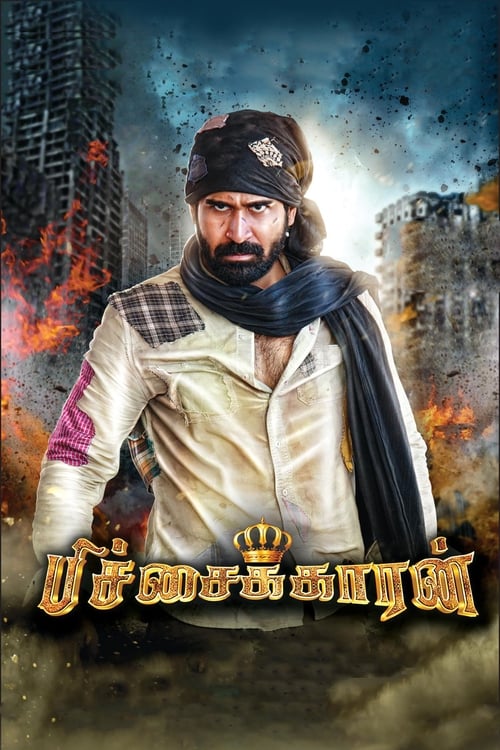



What is the ending?
In the ending of "Motta Shiva Ketta Shiva," Shiva confronts the antagonist, leading to a climactic battle. After a fierce fight, Shiva emerges victorious, avenging his brother's death. The film concludes with Shiva reaffirming his commitment to justice and his role as a protector of the innocent.
As the climax of "Motta Shiva Ketta Shiva" unfolds, the tension escalates in a series of gripping scenes. The setting shifts to a dilapidated warehouse, where the final confrontation between Shiva and the antagonist, a powerful and corrupt figure named Kaalidass, takes place. The atmosphere is thick with anticipation, the air heavy with the weight of unresolved vengeance.
Shiva, portrayed with a fierce determination, enters the warehouse, his expression a mix of anger and resolve. He is driven by the memory of his brother, who was brutally murdered by Kaalidass and his gang. The dim lighting casts shadows that dance ominously on the walls, mirroring the internal conflict within Shiva as he grapples with his desire for revenge and the need for justice.
As the confrontation begins, Kaalidass taunts Shiva, mocking his grief and loss. This only fuels Shiva's rage, and he charges at Kaalidass with a ferocity that is palpable. The fight is intense, showcasing Shiva's physical prowess and unwavering spirit. Each punch and kick exchanged is not just a battle of strength but a clash of ideologies--Shiva represents justice, while Kaalidass embodies corruption and lawlessness.
The fight scene is choreographed with precision, highlighting the brutality of their conflict. Shiva's movements are swift and calculated, reflecting his training and determination. As the battle rages on, Kaalidass's henchmen attempt to intervene, but Shiva, fueled by his brother's memory, dispatches them with ease, showcasing his unwavering focus on his ultimate goal.
In a pivotal moment, Kaalidass gains the upper hand, momentarily overpowering Shiva. However, in a surge of adrenaline and the haunting memories of his brother's death, Shiva finds the strength to rise again. The emotional weight of his loss propels him forward, and he delivers a final, devastating blow to Kaalidass, bringing the antagonist to his knees.
As Kaalidass lies defeated, the warehouse is silent except for the heavy breathing of the two men. Shiva stands over him, a mix of triumph and sorrow etched on his face. He delivers a poignant line about justice and the importance of standing up against evil, reinforcing the film's central theme of righteousness.
In the aftermath of the battle, the police arrive, having been tipped off about the confrontation. They take Kaalidass into custody, ensuring that he will face the consequences of his actions. Shiva, though victorious, is left to grapple with the emotional toll of his journey. He reflects on the loss of his brother and the cost of vengeance, understanding that while he has avenged his brother's death, the pain of loss will linger.
The film concludes with Shiva walking away from the warehouse, a solitary figure against the backdrop of the city. His expression is one of resolve; he has embraced his role as a protector of the innocent, vowing to continue fighting against corruption and injustice. The final shot lingers on his determined face, symbolizing hope and the ongoing struggle for justice in a world filled with darkness.
In summary, the fates of the main characters are as follows: Shiva emerges victorious but emotionally scarred, having avenged his brother's death. Kaalidass is captured and will face justice for his crimes. The film closes on a note of resilience, with Shiva committed to his path as a guardian of the oppressed.
Is there a post-credit scene?
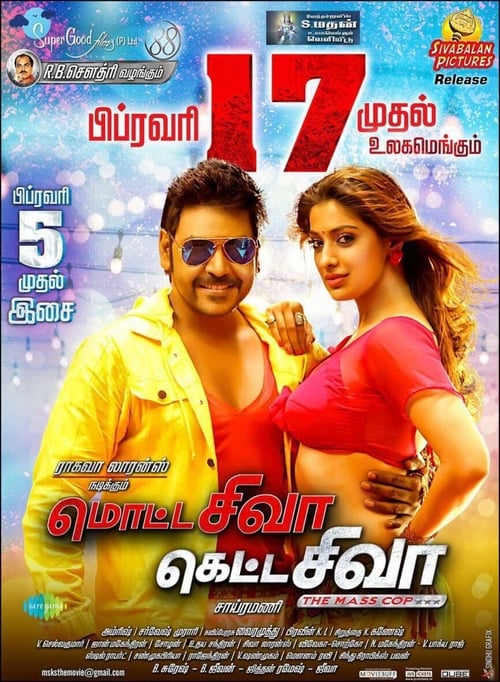
In the movie "Motta Shiva Ketta Shiva," there is indeed a post-credit scene. After the main credits roll, the scene shifts to a light-hearted moment featuring the character Shiva, played by Raghava Lawrence. In this scene, Shiva is seen engaging in a humorous interaction with his team, showcasing his playful side. The atmosphere is filled with laughter, and it serves as a comedic relief after the intense events of the film. This moment emphasizes the camaraderie among the characters and leaves the audience with a sense of joy and satisfaction, contrasting with the film's more serious themes of justice and revenge. The scene effectively wraps up the film on a lighter note, reinforcing the bond between the characters while also hinting at the possibility of future adventures.
Who is the main antagonist in Motta Shiva Ketta Shiva and what are their motivations?
The main antagonist in 'Motta Shiva Ketta Shiva' is a powerful and corrupt politician named Kottai. His motivations stem from a desire for control and power over the city, as he engages in illegal activities and exploits the law for personal gain. Kottai's ruthless nature is showcased through his willingness to eliminate anyone who stands in his way, including law enforcement.
What is the relationship between Shiva and his brother in the film?
Shiva, played by Raghava Lawrence, has a complex relationship with his brother, who is a police officer. Initially, there is a sense of admiration and respect between them, but as the story unfolds, their paths diverge due to Shiva's violent methods and his brother's commitment to upholding the law. This tension creates emotional conflict, especially as Shiva's actions put his brother in difficult situations.
How does Shiva's character evolve throughout the movie?
Shiva starts as a hot-headed and impulsive character, driven by a desire for revenge against the corrupt forces in his city. As the plot progresses, he faces moral dilemmas that challenge his initial motivations. His evolution is marked by moments of introspection, where he grapples with the consequences of his violent actions and the impact they have on his family and community.
What role does the female lead play in Shiva's journey?
The female lead, played by Nikki Galrani, serves as a love interest and a moral compass for Shiva. Her character represents innocence and hope, contrasting with Shiva's violent lifestyle. Throughout the film, she encourages him to reconsider his choices and seek justice through lawful means rather than revenge, ultimately influencing his character development.
What are some key action sequences that define the film's tone?
Key action sequences in 'Motta Shiva Ketta Shiva' include intense fight scenes where Shiva takes on multiple henchmen, showcasing his martial arts skills. One notable sequence involves a dramatic confrontation in a warehouse, where Shiva uses his surroundings to outsmart his enemies. These scenes are characterized by high energy, fast-paced choreography, and a blend of emotional stakes, emphasizing Shiva's struggle against corruption.
Is this family friendly?
"Motta Shiva Ketta Shiva," released in 2017, is an action film that contains several elements that may not be suitable for children or sensitive viewers. Here are some potentially objectionable aspects:
-
Violence: The film features numerous action sequences that include physical confrontations, gunfights, and intense brawls. The violence is often graphic and may be distressing for younger audiences.
-
Language: There are instances of strong language and profanity throughout the film, which may not be appropriate for children.
-
Themes of Corruption and Crime: The narrative revolves around themes of police corruption, crime syndicates, and moral dilemmas, which may be complex and unsettling for younger viewers.
-
Emotional Turmoil: Characters experience significant emotional struggles, including betrayal, loss, and revenge, which could be heavy for sensitive audiences.
-
Mature Situations: There are scenes that imply adult situations and relationships, which may not be suitable for younger viewers.
Overall, while the film is primarily an action entertainer, its content may be better suited for older teens and adults rather than a family-friendly audience.







