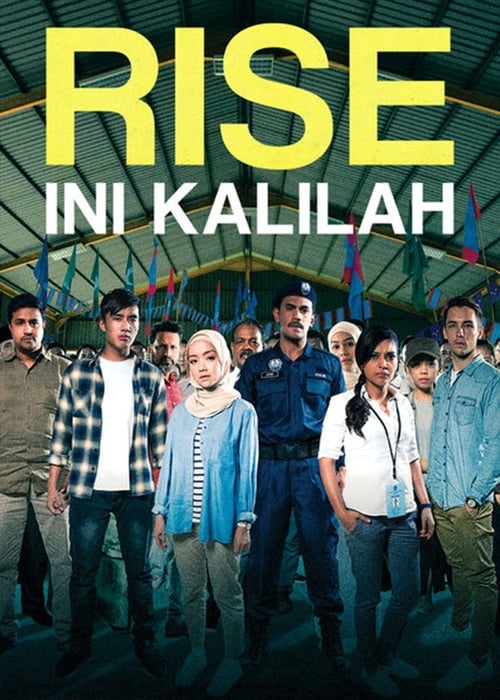












Popular
What motivates the main character, a young activist, to become involved in the political movement?
How does the relationship between Aiman and his father evolve throughout the film?
What role does the character of Sarah play in Aiman's journey?
What are the key challenges Aiman faces while organizing protests?
How does the film depict the impact of social media on the activism portrayed in the story?
Should I watch it?
Ask Your Own Question

What is the plot?
Sorry, we aren't able to watch and write up a full detailed plot yet. Check back in a few days.
More Movies Like This
Browse All Movies →





What is the ending?
In the ending of "Rise: Ini Kalilah," the characters come together to confront their fears and stand up for their beliefs. The film culminates in a powerful moment of unity and determination as they rally for change, ultimately leading to a significant political awakening among the youth. The main characters find their voices and take a stand, symbolizing hope for a better future.
As the film approaches its conclusion, the atmosphere is charged with anticipation. The scene opens with a gathering of the main characters, who have been deeply affected by the events leading up to this moment. They are filled with a mix of anxiety and resolve, knowing that they are about to take a stand against the injustices they have witnessed. The camera captures their expressions--determined yet vulnerable--as they prepare to voice their concerns.
The next scene shifts to a public forum where the characters have decided to present their grievances. The setting is tense, with a crowd of supporters and skeptics alike. The main character, who has been the driving force throughout the film, steps forward to speak. Their voice trembles at first, but as they continue, it grows stronger, resonating with the audience. They recount the struggles they have faced, the injustices they have witnessed, and the need for change. The emotional weight of their words hangs in the air, drawing the audience in.
As the speech progresses, the camera pans to the faces of the crowd, capturing a range of emotions--some nodding in agreement, others skeptical but intrigued. The main character's passion ignites a spark among the youth present, and slowly, they begin to rally together, chanting for change. This moment is pivotal, as it signifies a shift from passive observation to active participation in the fight for their rights.
In the following scene, the characters are seen organizing themselves into groups, strategizing on how to continue their movement. They are filled with a renewed sense of purpose, and the camaraderie among them is palpable. Each character reflects on their personal journey, acknowledging the growth they have experienced. The once timid individuals are now empowered, ready to face the challenges ahead.
The climax of the film occurs during a large-scale protest, where the characters lead a march through the streets. The visuals are striking--banners waving, voices raised in unison, and a palpable energy that fills the air. The main character stands at the forefront, embodying the spirit of the movement. The scene is interspersed with shots of the community coming together, showcasing the diverse faces united for a common cause.
As the protest unfolds, there are moments of tension as law enforcement arrives, creating a sense of uncertainty. However, the characters remain steadfast, their resolve unshaken. The film captures the emotional highs and lows of the protest, illustrating the fear and courage that coexist in such moments. The main character's determination inspires others to stand firm, reinforcing the theme of unity in the face of adversity.
In the final scenes, the aftermath of the protest is depicted. The characters gather once more, exhausted but exhilarated. They reflect on the impact of their actions, realizing that they have sparked a conversation that cannot be ignored. The film closes with a sense of hope, as the characters look towards the future, knowing that their fight is just beginning.
The fates of the main characters are intertwined with the movement they have ignited. The protagonist emerges as a leader, having found their voice and purpose. The supporting characters, each having faced their own struggles, also find empowerment in their collective action. They are no longer just individuals but part of a larger narrative of change, symbolizing the potential for a new generation to rise and make a difference. The film ends on a note of optimism, suggesting that while the journey ahead may be challenging, the characters are ready to face it together.
Is there a post-credit scene?
In the movie "Rise: Ini Kalilah," there is no post-credit scene. The film concludes its narrative without any additional scenes or content after the credits roll. The focus remains on the story of the characters and their journey throughout the film, emphasizing themes of resilience and unity in the face of adversity. The ending serves to encapsulate the emotional arcs of the characters rather than setting up any further developments or sequels.
What motivates the main character, a young activist, to become involved in the political movement?
The main character, a young activist named Aiman, is motivated by a deep sense of injustice and a desire for change in his country. He witnesses the struggles of his community and the corruption within the political system, which fuels his passion to fight for a better future. His personal experiences, including the impact of government policies on his family and friends, drive him to take action and inspire others to join the movement.
How does the relationship between Aiman and his father evolve throughout the film?
Aiman's relationship with his father is initially strained due to differing views on political activism. His father, a traditionalist, is wary of the risks involved in protesting and fears for Aiman's safety. As the story progresses, Aiman's determination and the father's witnessing of the injustices faced by their community lead to a gradual understanding. The father begins to support Aiman's cause, culminating in a poignant moment where he expresses pride in his son's bravery.
What role does the character of Sarah play in Aiman's journey?
Sarah, Aiman's close friend and fellow activist, plays a crucial role in his journey by providing emotional support and encouragement. She embodies the spirit of resilience and hope, often motivating Aiman to stay committed to their cause despite the challenges they face. Their friendship deepens as they navigate the dangers of activism together, and Sarah's unwavering belief in their mission helps Aiman to remain focused on their goals.
What are the key challenges Aiman faces while organizing protests?
Aiman faces numerous challenges while organizing protests, including government crackdowns, the threat of violence from opposing groups, and the struggle to rally support from a hesitant public. He grapples with the fear of arrest and the potential consequences for his family and friends. Additionally, Aiman must navigate internal conflicts within the activist group, as differing opinions on strategy and tactics create tension among members.
How does the film depict the impact of social media on the activism portrayed in the story?
The film illustrates the significant role of social media in amplifying the voices of the activists. Aiman and his peers use platforms to share their message, organize events, and document the injustices they encounter. The immediacy of social media allows them to reach a wider audience, mobilizing support and raising awareness. However, the film also highlights the challenges of misinformation and the risks of online surveillance, showcasing the dual-edged nature of digital activism.
Is this family friendly?
"Rise: Ini Kalilah" is a Malaysian film that touches on themes of social justice, activism, and the fight for equality. While it is generally suitable for a family audience, there are a few aspects that may be considered objectionable or upsetting for children or sensitive viewers:
-
Political Tension: The film portrays the struggles and challenges faced by activists, which may include scenes of protests and confrontations with authority figures. These moments can evoke feelings of anxiety or distress.
-
Emotional Struggles: Characters experience significant emotional turmoil, including feelings of frustration, despair, and determination. These intense emotional scenes may be heavy for younger viewers.
-
Social Injustice: The film addresses issues of inequality and discrimination, which may include discussions or depictions of societal issues that could be upsetting for some viewers.
-
Conflict and Confrontation: There are scenes that depict conflict, both verbal and physical, which may be intense and could be unsettling for younger audiences.
Overall, while the film carries a positive message about resilience and hope, parents may want to consider these elements when deciding if it is appropriate for their children.