













Popular
What motivates Saburo to take on the role of Nobunaga?
How does Nobunaga's character develop throughout the film?
What role does Mitsuhide Akechi play in the story?
How does the film portray the relationship between Nobunaga and his allies?
What are the key challenges Nobunaga faces in his quest for unification?
Should I watch it?
Ask Your Own Question

What is the plot?
Sorry, we aren't able to watch and write up a full detailed plot yet. Check back in a few days.
More Movies Like This
Browse All Movies →





What is the ending?
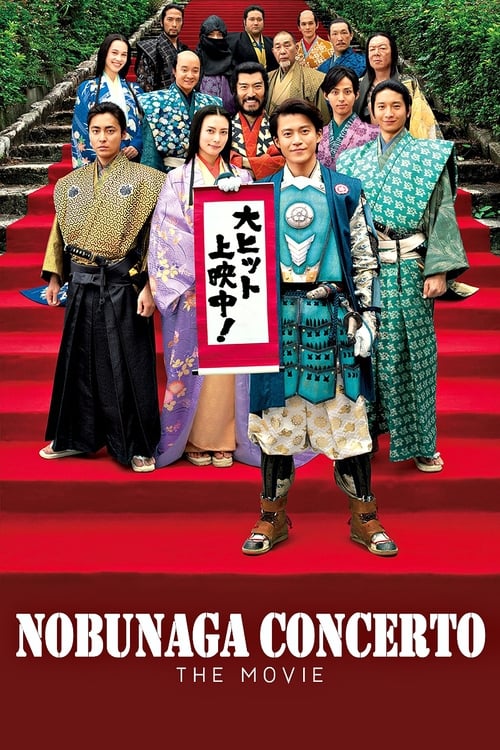
In the ending of "Nobunaga Concerto: The Movie," Saburo, who has been living as Nobunaga Oda, faces the consequences of his choices. After a series of battles and political maneuvers, he ultimately decides to confront his fate. The film concludes with a poignant moment of realization and acceptance of his role in history, leading to a significant sacrifice.
As the film approaches its climax, we find Saburo, still grappling with the weight of his identity as Nobunaga, preparing for the final confrontation against his enemies. The tension is palpable as he gathers his loyal retainers, including the steadfast Nene, who has been a source of emotional support throughout his journey. Saburo's internal conflict is evident; he is torn between the life he once knew and the responsibilities that come with being a leader in a tumultuous era.
In a pivotal scene, Saburo stands before his troops, rallying them with a passionate speech. He reflects on the importance of unity and the future of their land, his voice filled with determination yet tinged with the sorrow of what he must face. The camera captures the faces of his soldiers, a mix of admiration and fear, as they prepare for the battle ahead.
The battle itself is intense and chaotic, with swords clashing and the sounds of war echoing through the landscape. Saburo fights valiantly, embodying the spirit of Nobunaga, but the stakes are high. As the conflict escalates, he encounters his rival, Akechi Mitsuhide, who has his own ambitions and grievances. Their confrontation is charged with emotion, as both men represent different visions for Japan's future.
In a heart-wrenching moment, Saburo realizes that to secure peace and stability for his people, he must make the ultimate sacrifice. He chooses to confront Mitsuhide, understanding that his death may pave the way for a greater good. The scene is filled with tension as they engage in a fierce duel, each blow resonating with the weight of their respective ideals.
As the battle reaches its climax, Saburo is mortally wounded. In his final moments, he reflects on his journey, the friendships he has forged, and the lessons he has learned. The camera lingers on his face, capturing a mix of pain and acceptance. He whispers a farewell to Nene, who has been by his side through thick and thin, her eyes filled with tears as she realizes the depth of his sacrifice.
The film concludes with a poignant scene of Saburo's legacy. As he lies on the battlefield, the sun sets in the background, symbolizing the end of an era. The final shot shows Nene and the remaining retainers mourning his loss, yet they also understand the importance of carrying on his vision for a united Japan. The screen fades to black, leaving the audience with a sense of both sorrow and hope for the future.
In summary, the fates of the main characters are intertwined with the themes of sacrifice, leadership, and the burdens of history. Saburo, having embraced his role as Nobunaga, ultimately sacrifices himself for the greater good, while Nene and the retainers are left to honor his memory and continue the fight for a better future.
Is there a post-credit scene?
Yes, "Nobunaga Concerto: The Movie" features a post-credit scene. After the main credits roll, the scene opens with a serene view of a lush, green landscape, hinting at a peaceful future. The camera then shifts to a young man who resembles the historical figure of Nobunaga Oda, suggesting a connection to the past. He is seen walking through a village, interacting with the locals, and displaying a sense of curiosity and determination.
As he explores, the atmosphere is filled with a sense of hope and potential, contrasting with the tumultuous events of the film. The young man reflects on the legacy of Nobunaga, pondering the impact of his actions and the importance of leadership. This moment serves as a poignant reminder of the cyclical nature of history and the enduring influence of great figures.
The scene concludes with the young man looking towards the horizon, symbolizing the future and the possibilities that lie ahead, leaving the audience with a sense of optimism and contemplation about the lessons learned from the past.
What motivates Saburo to take on the role of Nobunaga?
Saburo, a modern-day high school student, is initially reluctant to accept the role of Nobunaga Oda after being transported back to the Sengoku period. His motivation evolves as he witnesses the struggles of the people and the chaos of the era. He feels a sense of responsibility to lead and protect those around him, especially after realizing the historical significance of Nobunaga's actions and the impact he can have on the future.
How does Nobunaga's character develop throughout the film?
Nobunaga's character, portrayed by Saburo, undergoes significant development as he transitions from a carefree student to a determined leader. Initially, he is unsure of himself and doubts his ability to lead. However, as he faces various challenges, including battles and political intrigue, he grows more confident and strategic, ultimately embracing his role as a unifier of Japan.
What role does Mitsuhide Akechi play in the story?
Mitsuhide Akechi is introduced as a loyal retainer to Nobunaga, showcasing a complex relationship filled with both camaraderie and tension. As the story progresses, his motivations become more ambiguous, revealing a deep-seated ambition and a desire for power. This internal conflict adds layers to his character, ultimately leading to a pivotal confrontation with Nobunaga.
How does the film portray the relationship between Nobunaga and his allies?
The film highlights the dynamics between Nobunaga and his key allies, such as Hideyoshi and Ieyasu. Their relationships are marked by loyalty, friendship, and occasional conflict. As Nobunaga navigates the treacherous political landscape, these alliances are tested, showcasing the importance of trust and collaboration in achieving their common goals.
What are the key challenges Nobunaga faces in his quest for unification?
Nobunaga faces numerous challenges, including rival warlords, betrayal from within his ranks, and the constant threat of assassination. Each challenge tests his leadership skills and strategic thinking. The film vividly depicts battles, political maneuvering, and personal sacrifices, illustrating the high stakes involved in his quest for unification and the toll it takes on him emotionally and physically.
Is this family friendly?
"Nobunaga Concerto: The Movie" is generally suitable for a family audience, but it does contain some elements that may be considered objectionable or upsetting for children or sensitive viewers. Here are a few aspects to be aware of:
-
Violence and Warfare: The film depicts battles and conflicts typical of the Sengoku period in Japan, which may include scenes of combat, bloodshed, and the aftermath of war. While not excessively graphic, the portrayal of violence may be unsettling for younger viewers.
-
Death and Betrayal: Themes of betrayal and the consequences of political maneuvering are central to the story. Characters face life-and-death situations, and there are moments that highlight the emotional weight of loss and treachery.
-
Emotional Turmoil: Characters experience significant emotional struggles, including feelings of doubt, fear, and the burden of leadership. These themes may resonate deeply and could be intense for younger audiences.
-
Historical Context: The film is set in a tumultuous period of Japanese history, which may include references to historical events and cultural practices that could be confusing or distressing for children without proper context.
Overall, while the film has engaging elements and a compelling story, parents may want to consider these aspects when deciding if it is appropriate for their children.






