



Popular
Who is Oleg Sentsov and what led to his arrest?
What role does the Russian government play in Oleg Sentsov's trial?
How does Oleg Sentsov's character evolve throughout the trial?
What is the significance of the testimonies presented during the trial?
How does the film depict the emotional impact of the trial on Sentsov's family?
Should I watch it?
Ask Your Own Question

What is the plot?
Sorry, we aren't able to watch and write up a full detailed plot yet. Check back in a few days.
More Movies Like This
Browse All Movies →





What is the ending?
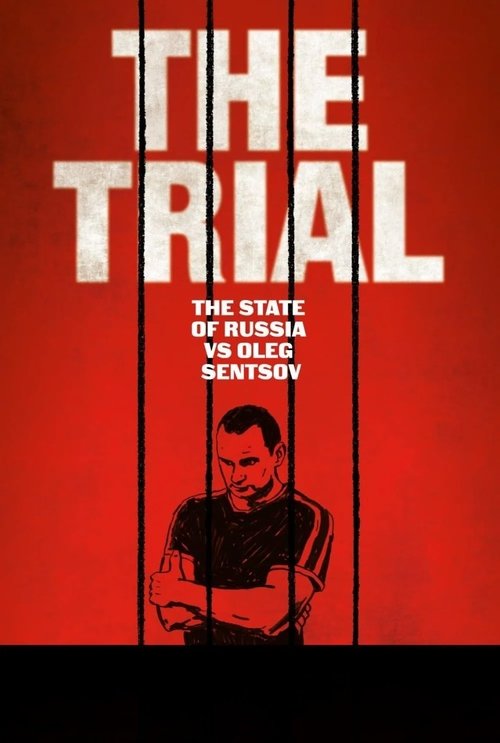
In the ending of "The Trial: The State of Russia vs Oleg Sentsov," Oleg Sentsov, a Ukrainian filmmaker, is sentenced to 20 years in a Russian prison for charges of terrorism, which he and many others believe are fabricated. The film concludes with Sentsov's unwavering spirit and determination to fight against the injustice he faces, despite the grim reality of his situation.
As the film approaches its conclusion, the tension escalates. The courtroom scenes are filled with a palpable sense of dread and injustice. Oleg Sentsov, portrayed as a passionate and resilient individual, sits in the defendant's chair, his demeanor a mix of defiance and sorrow. The camera captures his expressions closely, revealing the weight of the accusations against him and the absurdity of the trial proceedings.
The prosecution presents its case, filled with dubious evidence and testimonies that seem orchestrated to paint Sentsov as a terrorist. The audience witnesses the stark contrast between the prosecution's claims and Sentsov's calm, collected responses. He maintains his innocence, asserting that he is being punished for his political beliefs and his opposition to the Russian annexation of Crimea.
As the trial progresses, the emotional toll on Sentsov becomes evident. He reflects on his life, his love for cinema, and his commitment to his homeland. The film intersperses these moments with flashbacks of his life before the arrest, showcasing his passion for filmmaking and his deep connection to Ukraine. These memories serve to highlight the stark reality of his current situation, where his dreams and aspirations are overshadowed by the oppressive regime.
The climax of the film arrives when the verdict is announced. The judge delivers the sentence: 20 years in a maximum-security prison. The weight of the decision hangs heavily in the air, and Sentsov's reaction is one of quiet resolve. He does not break down; instead, he embodies a spirit of resistance, a refusal to be broken by the system that seeks to silence him.
In the final scenes, the film shifts to the aftermath of the trial. Sentsov is shown being led away, his face a mixture of determination and sorrow. The audience is left with a sense of his enduring spirit, as he vows to continue fighting for justice, not just for himself but for all those who have suffered under similar circumstances. The film closes with a poignant reminder of the ongoing struggle for freedom and the power of the human spirit to resist oppression, even in the darkest of times.
The fate of Oleg Sentsov is one of imprisonment, but his legacy as a symbol of resistance against tyranny is firmly established. The film leaves viewers with a sense of urgency to recognize and confront the injustices faced by individuals like Sentsov, emphasizing the importance of standing up for one's beliefs in the face of overwhelming adversity.
Is there a post-credit scene?
The Trial: The State of Russia vs Oleg Sentsov does not contain a post-credit scene. The film concludes with a focus on the serious and poignant themes surrounding Oleg Sentsov's trial and the broader implications of his case within the context of political repression in Russia. The ending emphasizes the gravity of Sentsov's situation and the ongoing struggle for freedom of expression, leaving viewers with a sense of urgency and reflection rather than a light-hearted or additional narrative moment typical of post-credit scenes.
Who is Oleg Sentsov and what led to his arrest?
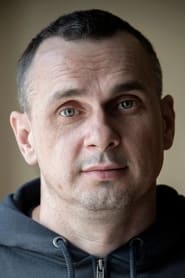
Oleg Sentsov is a Ukrainian filmmaker and activist who became known for his opposition to the Russian annexation of Crimea. His arrest was a result of his alleged involvement in a plot to carry out terrorist acts in Crimea, which he vehemently denied, claiming that the charges were fabricated and politically motivated.
What role does the Russian government play in Oleg Sentsov's trial?
The Russian government plays a central role in Oleg Sentsov's trial, as it is the prosecuting authority that orchestrates the legal proceedings against him. The trial is depicted as a politically charged event, with the government using it as a means to suppress dissent and silence opposition voices in Crimea and Ukraine.
How does Oleg Sentsov's character evolve throughout the trial?
Throughout the trial, Oleg Sentsov's character is portrayed as resilient and defiant. Despite the oppressive circumstances and the emotional toll of being separated from his family, he maintains his integrity and refuses to plead guilty to the charges against him, showcasing his commitment to his beliefs and his fight for justice.
What is the significance of the testimonies presented during the trial?
The testimonies presented during the trial are significant as they highlight the inconsistencies and lack of credible evidence against Sentsov. They reveal the coercive tactics used by the authorities to extract confessions and the broader implications of the trial on human rights and freedom of expression in Russia.
How does the film depict the emotional impact of the trial on Sentsov's family?
The film poignantly depicts the emotional impact of the trial on Sentsov's family, particularly his mother and children. Their anguish and helplessness are palpable as they navigate the uncertainty of his fate, illustrating the personal toll of political repression and the deep emotional scars left by his imprisonment.
Is this family friendly?
The Trial: The State of Russia vs Oleg Sentsov is a documentary that delves into the political persecution of Ukrainian filmmaker Oleg Sentsov, who was arrested and tried in Russia. While the film is a powerful exploration of human rights and justice, it contains several elements that may be objectionable or upsetting for children or sensitive viewers.
-
Political Imprisonment: The film discusses the harsh realities of political imprisonment, which may be distressing for younger audiences.
-
Interrogation Scenes: There are depictions of Sentsov's interrogation and the psychological pressure he faced, which can be intense and unsettling.
-
Emotional Testimonies: The film features emotional testimonies from Sentsov's family and friends, expressing their pain and fear, which may evoke strong feelings of sadness.
-
Themes of Torture and Abuse: The documentary touches on themes of torture and abuse within the prison system, which can be disturbing.
-
Political Violence: There are references to the broader context of political violence and conflict in Ukraine, which may be difficult for younger viewers to comprehend.
Overall, the film is more suitable for mature audiences due to its serious themes and emotional weight.