























































Popular
What is the significance of the relationship between Mija and Okja?
How does the character of Lucy Mirando evolve throughout the film?
What role does the Animal Liberation Front (ALF) play in the story?
What is the significance of the super pig design and how does it reflect the film's themes?
How does Mija's journey reflect her growth as a character?
Should I watch it?
Ask Your Own Question

What is the plot?
Sorry, we aren't able to watch and write up a full detailed plot yet. Check back in a few days.








What is the ending?
In the ending of "Okja," Mija and Okja confront the realities of corporate greed and animal exploitation. After a series of intense events, Mija manages to rescue Okja from the clutches of the Mirando Corporation, but the emotional toll is heavy. The film concludes with Mija and Okja escaping together, but the fate of the other characters, including the activists and the corporate executives, is left unresolved.
Now, let's delve into the ending in a more detailed narrative fashion:
As the climax unfolds, Mija, a young girl from the mountains of South Korea, finds herself in the heart of a bustling city, where the Mirando Corporation is preparing to unveil Okja, the genetically modified super pig she has raised since childhood. The atmosphere is charged with anticipation, but Mija's heart is heavy with the knowledge of what is about to happen to her beloved friend.
In a tense scene, Mija infiltrates the Mirando Corporation's headquarters, her determination fueled by love and desperation. She navigates through the sterile, corporate environment, her eyes wide with fear and resolve. The stark contrast between the cold, clinical setting and her warm memories of Okja highlights the emotional stakes. Mija's heart races as she finally spots Okja, who is being paraded in front of a crowd, unaware of the fate that awaits her.
As the unveiling begins, Mija's presence disrupts the event. She cries out for Okja, her voice filled with anguish. The crowd, initially captivated by the spectacle, turns to witness the emotional reunion. Mija rushes to Okja, who responds with a mixture of confusion and joy. The bond between them is palpable, a testament to their shared experiences and love.
However, the moment is short-lived. The Mirando executives, led by Lucy Mirando, are determined to proceed with their plans, viewing Okja merely as a product. Mija's pleas fall on deaf ears as the corporation's machinery gears up for the slaughter. In a desperate act, Mija and the animal rights activists, who have been fighting for Okja's freedom, attempt to rescue her. The scene is chaotic, filled with tension as they navigate through security and corporate guards.
In a heart-wrenching moment, Mija and Okja manage to escape into the streets, but not without consequences. The activists, including the character Jay, face the repercussions of their actions. Some are captured, while others are left to ponder the futility of their struggle against such a powerful corporation. Mija's determination shines through as she leads Okja away from the chaos, her heart heavy with the knowledge of the world they are escaping.
As they flee, the emotional weight of their journey becomes evident. Mija's face reflects a mixture of relief and sorrow; she has saved Okja, but the fight against corporate greed and animal cruelty is far from over. The film closes with a poignant scene of Mija and Okja in a serene landscape, a stark contrast to the turmoil they just escaped. They share a moment of peace, but the unresolved fate of the activists and the ongoing exploitation of animals lingers in the air.
In the final moments, the camera pans out, leaving viewers with a sense of both hope and despair. Mija and Okja are together, but the world around them remains unchanged, a reminder of the challenges that lie ahead. The fate of Lucy Mirando and the corporate executives is left ambiguous, highlighting the ongoing struggle between profit and compassion. The film ends on a note that emphasizes the need for awareness and change, leaving a lasting impact on the audience.
Is there a post-credit scene?
In the movie "Okja," there is no post-credit scene. The film concludes with a powerful and emotional ending that leaves a lasting impact on the audience. After the climactic confrontation between Mija, the young girl who has raised Okja, and the corporate forces behind the genetically modified super pig, the story wraps up without any additional scenes during or after the credits. The focus remains on the themes of friendship, corporate greed, and the bond between Mija and Okja, culminating in a poignant moment that emphasizes the film's message rather than providing a teaser or continuation of the story.
What is the significance of the relationship between Mija and Okja?
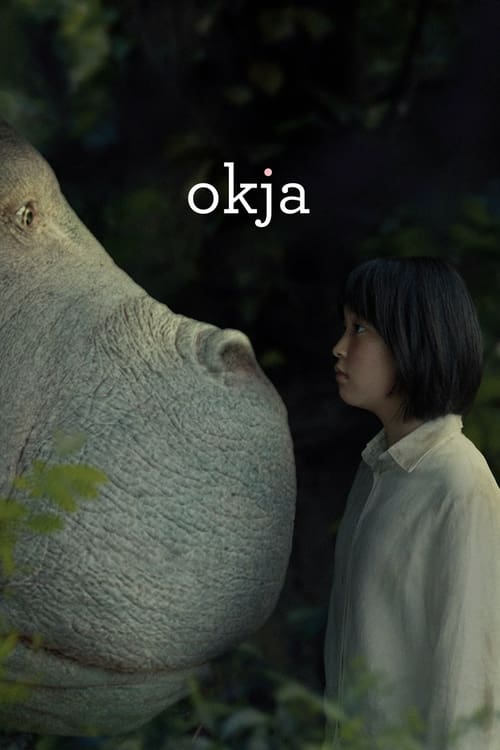
The relationship between Mija and Okja is central to the film, showcasing a deep bond that transcends species. Mija, a young girl living in the mountains of South Korea, has raised Okja, a genetically modified super pig, since she was a piglet. Their connection is characterized by love, loyalty, and mutual understanding. Mija's determination to protect Okja drives the narrative, highlighting her emotional turmoil when she learns that Okja is to be taken away for corporate exploitation. This bond is visually represented through their playful interactions and Mija's fierce protectiveness, which culminates in her desperate quest to rescue Okja from the clutches of the Mirando Corporation.
How does the character of Lucy Mirando evolve throughout the film?
Lucy Mirando, played by Tilda Swinton, is the CEO of the Mirando Corporation and initially presents herself as a progressive and caring figure, promoting the super pigs as a solution to world hunger. However, as the story unfolds, her true motivations are revealed to be driven by profit and public image rather than genuine concern for animal welfare. Lucy's character evolves from a seemingly benevolent leader to a manipulative corporate figure, willing to sacrifice Okja for the sake of her company's success. This transformation is marked by her increasingly cold demeanor and the lengths she goes to maintain her facade, ultimately leading to a confrontation with Mija that exposes her moral bankruptcy.
What role does the Animal Liberation Front (ALF) play in the story?
The Animal Liberation Front (ALF) serves as a pivotal force in the narrative, representing the fight against animal cruelty and corporate greed. When Mija seeks help to rescue Okja, she encounters the ALF, a group of activists led by the passionate and idealistic Jay. The ALF's mission is to expose the unethical practices of the Mirando Corporation and liberate Okja from captivity. Their involvement introduces a more radical approach to animal rights, contrasting with Mija's personal and emotional motivations. The ALF's tactics, including a daring rescue operation, highlight the film's critique of industrial farming and the lengths to which individuals will go to stand up for their beliefs, ultimately culminating in a dramatic showdown at the Mirando headquarters.
What is the significance of the super pig design and how does it reflect the film's themes?
The design of the super pig, Okja, is significant as it embodies the film's critique of genetic engineering and corporate exploitation. Okja is portrayed as a massive, intelligent, and emotionally expressive creature, designed to be both endearing and grotesque. Her appearance, with large, soulful eyes and a gentle demeanor, contrasts sharply with the harsh realities of the meat industry. This design elicits empathy from the audience, challenging them to reconsider their views on animal consumption. The juxtaposition of Okja's innocence with the brutal treatment of her kind in factory farms serves to underscore the film's themes of compassion, consumerism, and the moral implications of food production.
How does Mija's journey reflect her growth as a character?
Mija's journey throughout the film is one of profound growth and resilience. Initially portrayed as a naive and innocent girl, her character evolves as she confronts the harsh realities of the world outside her rural home. After Okja is taken by the Mirando Corporation, Mija embarks on a perilous journey to rescue her friend, facing numerous challenges and moral dilemmas along the way. Her determination and bravery are tested as she navigates the complexities of corporate greed, animal rights activism, and her own emotional turmoil. Mija's growth is marked by her transition from a passive observer to an active participant in the fight for Okja's freedom, ultimately showcasing her strength, resourcefulness, and unwavering love for her companion.
Is this family friendly?
"Okja," produced in 2017, is a film that, while featuring a young protagonist and a strong bond with a creature, contains several elements that may be objectionable or upsetting for children or sensitive viewers. Here are some aspects to consider:
-
Animal Cruelty: The film includes scenes that depict the treatment of animals in factory farming, which can be distressing. There are moments that show the harsh realities of how animals are raised and processed for food.
-
Violence: There are instances of violence, including confrontations between characters that can be intense. Some scenes involve physical altercations that may be unsettling.
-
Emotional Distress: The emotional journey of the characters, particularly the bond between Mija and Okja, can be heart-wrenching. The stakes are high, and moments of loss and fear are prevalent.
-
Corporate Greed and Exploitation: The film critiques corporate practices and the exploitation of both animals and people, which may be heavy themes for younger audiences to grasp fully.
-
Mature Themes: The narrative explores themes of capitalism, environmentalism, and ethical consumption, which may be complex and potentially upsetting for younger viewers.
Overall, while "Okja" has a strong message about friendship and loyalty, its darker themes and imagery may not be suitable for all children or sensitive individuals.








