
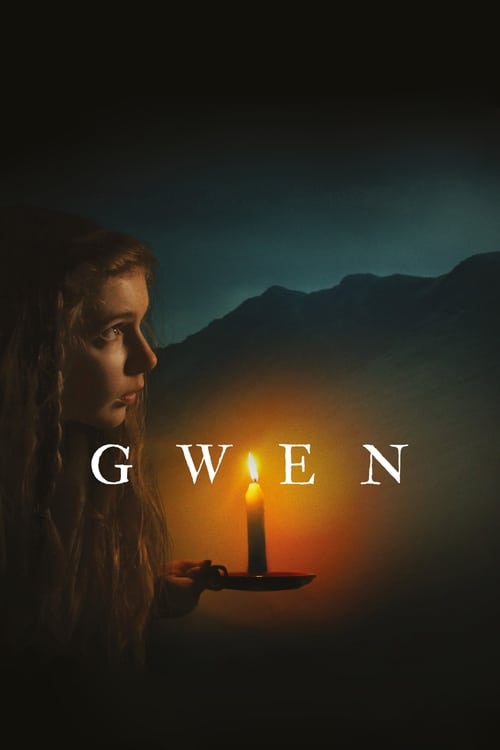









Popular
What is the significance of the family's farm in Gwen?
How does Gwen's relationship with her mother evolve throughout the film?
What role does the mysterious illness play in the story?
How does the character of the local community influence Gwen's journey?
What is the significance of the folklore elements in Gwen's story?
Should I watch it?
Ask Your Own Question

What is the plot?
Sorry, we aren't able to watch and write up a full detailed plot yet. Check back in a few days.





What is the ending?
In the ending of "Gwen," the protagonist, Gwen, faces the culmination of her struggles as her family and community are torn apart by fear and suspicion. After a series of tragic events, including the death of her mother and the loss of her home, Gwen is left to confront the darkness that has enveloped her life. The film concludes with her standing alone in the woods, symbolizing her isolation and the weight of her experiences.
As the final scenes unfold, we see Gwen's emotional state shift from despair to a quiet resilience. The film closes on a haunting note, leaving viewers with a sense of unresolved tension and the lingering impact of the hardships she has endured.
The ending of "Gwen" begins with a palpable tension in the air as the village grapples with the aftermath of the mother's death. The community, already fraught with superstition and fear, turns its gaze toward Gwen and her family, blaming them for the misfortunes that have befallen them. The atmosphere is thick with suspicion, and Gwen feels the weight of their judgment pressing down on her.
In the next scene, Gwen is seen wandering through the woods, her face a mask of sorrow and confusion. The trees loom around her, casting long shadows that mirror her internal struggle. She is searching for solace but finds only the echoes of her mother's voice and the memories of happier times. The isolation of the forest reflects her emotional state; she is alone, grappling with the loss of her mother and the crumbling of her family.
As the narrative progresses, we witness Gwen's father, who has been increasingly consumed by grief and despair, becoming more distant and erratic. His mental state deteriorates, and he is unable to provide the support Gwen desperately needs. This culminates in a scene where he lashes out in anger, further alienating Gwen and pushing her deeper into solitude. The pain of their fractured relationship is palpable, and Gwen's heartache is evident as she longs for the father she once knew.
In a pivotal moment, Gwen confronts the villagers who have turned against her. She stands defiantly, her spirit unbroken despite the overwhelming odds. The villagers, however, are unmoved by her pleas for understanding. They are blinded by their fears, and Gwen realizes that she is fighting a battle not just for her family, but for her very identity. This confrontation is a turning point, showcasing her growth from a frightened girl into a young woman who is beginning to understand her own strength.
The climax of the film arrives when Gwen is forced to make a choice about her future. With her home lost and her family fractured, she stands at a crossroads. The woods, once a place of refuge, now symbolize her entrapment. In a haunting final scene, she walks deeper into the forest, her silhouette fading into the shadows. This moment encapsulates her journey; she is both lost and found, embracing the uncertainty of her path ahead.
As the film concludes, the fate of each main character is left ambiguous. Gwen is alone, but there is a flicker of resilience in her eyes, suggesting that she may find a way to navigate the darkness that surrounds her. Her father's fate is uncertain, as he remains trapped in his grief, and the villagers continue to live in fear, unable to confront their own prejudices. The ending leaves viewers with a lingering sense of unease, reflecting the harsh realities of loss, isolation, and the struggle for acceptance in a world filled with fear.
Is there a post-credit scene?
The movie "Gwen," produced in 2018, does not have a post-credit scene. The film concludes its narrative without any additional scenes after the credits roll. The story wraps up with a focus on the emotional and psychological journey of the main character, Gwen, as she navigates the challenges of her life in a rural community during a time of hardship and personal loss. The ending leaves viewers with a sense of resolution regarding Gwen's struggles, emphasizing her resilience and the impact of her experiences.
What is the significance of the family's farm in Gwen?
The family's farm serves as a central symbol of both hope and despair throughout the film. It represents the hard work and legacy of Gwen's family, but also becomes a source of tension as the family's struggles with illness and the encroaching darkness threaten their livelihood. The farm's condition mirrors Gwen's emotional state, reflecting her isolation and the burden of responsibility she feels as she tries to hold her family together.
How does Gwen's relationship with her mother evolve throughout the film?
Gwen's relationship with her mother is fraught with tension and complexity. Initially, Gwen seeks her mother's approval and support, but as her mother's mental state deteriorates due to illness, Gwen feels increasingly abandoned and burdened. This shift leads to feelings of resentment and confusion in Gwen, as she grapples with her mother's inability to care for her and her siblings, ultimately forcing Gwen to take on a maternal role herself.
What role does the mysterious illness play in the story?
The mysterious illness that affects Gwen's mother and later her sister serves as a catalyst for the film's tension and emotional depth. It creates a sense of dread and helplessness, as the family struggles to understand the cause and cope with the consequences. This illness not only isolates the family from the community but also symbolizes the broader themes of fear and the unknown, impacting Gwen's psyche and her relationships with those around her.
How does the character of the local community influence Gwen's journey?
The local community plays a dual role in Gwen's journey. Initially, they represent a source of support, but as the family's troubles become more pronounced, the community's suspicion and fear lead to ostracism. This shift deeply affects Gwen, who feels the weight of judgment and isolation. The community's reaction to her family's struggles forces Gwen to confront her own fears and ultimately shapes her understanding of loyalty, love, and the harsh realities of life.
What is the significance of the folklore elements in Gwen's story?
Folklore elements in Gwen's story serve to enhance the film's atmosphere and underscore the themes of fear and superstition. The tales of witches and the supernatural reflect the community's anxieties and the characters' internal struggles. These elements create a haunting backdrop that influences Gwen's perception of her reality, blurring the lines between her fears and the actual events unfolding in her life, ultimately contributing to her emotional turmoil and sense of isolation.
Is this family friendly?
"Gwen," produced in 2018, is a dark and atmospheric film that may not be considered family-friendly due to its themes and emotional intensity. Here are some potentially objectionable or upsetting aspects that could affect children or sensitive viewers:
-
Themes of Grief and Loss: The film explores heavy themes surrounding the loss of family members and the emotional toll it takes on the characters, which may be distressing for younger audiences.
-
Isolation and Despair: The protagonist, Gwen, experiences profound feelings of isolation and despair, which are depicted in a haunting manner. This emotional weight may be difficult for sensitive viewers to process.
-
Violence and Threatening Imagery: There are scenes that involve violence or the threat of violence, which could be unsettling. The film's rural setting also contributes to a sense of foreboding.
-
Supernatural Elements: The presence of supernatural themes and folklore may be frightening for younger viewers, as they are portrayed in a dark and unsettling context.
-
Parental Figures in Distress: The depiction of parental figures struggling with their own issues can be upsetting, particularly for children who may feel anxious about family dynamics.
Overall, the film's tone and subject matter lean towards the dark and somber, making it more suitable for mature audiences rather than children.









