
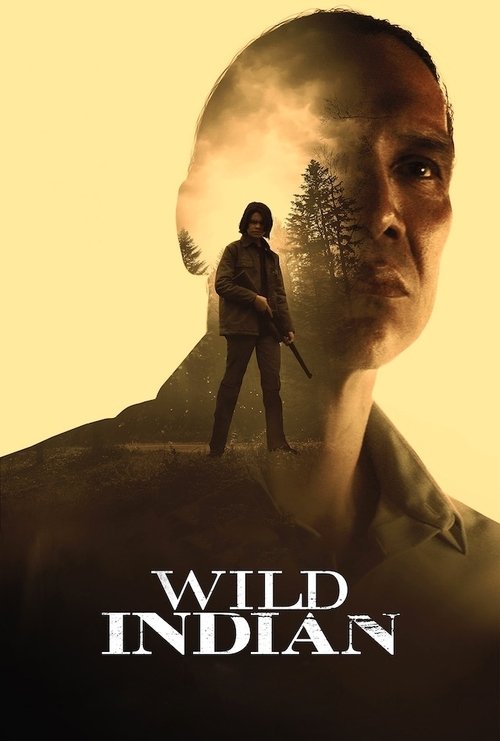



























Popular
What role does the setting play in the development of the characters?
What is the significance of the character Makua's childhood trauma in the story?
How does the relationship between Makua and Ted evolve throughout the film?
How does the film portray the theme of identity through Makua's character?
What is the impact of the violent incident in Makua's childhood on his adult relationships?
Should I watch it?
Ask Your Own Question

What is the plot?
Sorry, we aren't able to watch and write up a full detailed plot yet. Check back in a few days.








What is the ending?
In the ending of "Wild Indian," the story culminates in a tense confrontation between the main characters, where unresolved guilt and the consequences of past actions come to a head. The film concludes with a tragic resolution that leaves the characters grappling with their choices and the weight of their secrets.
As the film approaches its climax, we find Makua, who has been living a life marked by the trauma of his past, facing the repercussions of his actions. He is haunted by the murder he committed as a child, a secret he has carried into adulthood. The narrative builds tension as he is confronted by his past when a figure from his childhood, who knows the truth, re-emerges in his life.
In a pivotal scene, Makua's internal struggle is palpable. He is torn between the desire to protect his current life and the fear of being exposed. The emotional weight of his guilt manifests in his interactions with others, particularly with his family and friends, who remain unaware of his dark history. The tension escalates when the truth threatens to unravel, leading to a confrontation that forces Makua to confront his past head-on.
In the final moments, the confrontation reaches a boiling point. The character who knows Makua's secret confronts him, leading to a violent and tragic outcome. The scene is charged with emotion as Makua is faced with the consequences of his actions, and the weight of his guilt becomes unbearable. The film closes on a somber note, leaving viewers with a sense of the inescapable nature of one's past and the profound impact of unresolved trauma.
Ultimately, Makua's fate is sealed by his past actions, leading to a tragic end that underscores the film's exploration of guilt, identity, and the haunting nature of secrets. The other main characters, who have been intertwined in Makua's life, are left to grapple with the aftermath of his choices, highlighting the ripple effects of his actions on those around him. The film concludes with a haunting reminder of the complexities of human nature and the shadows that linger from our past.
Is there a post-credit scene?
In the movie "Wild Indian," there is no post-credit scene. The film concludes its narrative without any additional scenes or content after the credits roll. The story wraps up with a focus on the main characters and their emotional journeys, leaving the audience to reflect on the themes of identity, trauma, and the consequences of past actions.
What role does the setting play in the development of the characters?
The setting of Wild Indian, primarily in a rural and isolated environment, plays a crucial role in shaping the characters' experiences and emotional states. The stark landscapes reflect the internal struggles of the characters, particularly Makua, who feels trapped by his past. The contrast between the serene exterior and the turmoil within the characters enhances the tension and highlights their isolation, both physically and emotionally.
What is the significance of the character Makua's childhood trauma in the story?
Makua's childhood trauma is central to his character development and the narrative. It shapes his identity and influences his actions throughout the film. The trauma he experiences during a violent incident in his youth leads him to suppress his emotions and adopt a facade of control and detachment. This internal conflict drives the plot, as he grapples with guilt and the consequences of his past.
How does the relationship between Makua and Ted evolve throughout the film?
The relationship between Makua and Ted is complex and evolves from childhood friends to a strained adult dynamic. Initially, they share a bond rooted in their shared experiences, but as adults, their paths diverge. Ted's desire for redemption and a normal life contrasts with Makua's darker past and violent tendencies. This tension culminates in a confrontation that forces both characters to confront their shared history and the impact of their choices.
How does the film portray the theme of identity through Makua's character?
Makua's journey is a profound exploration of identity, as he grapples with the duality of his existence. He oscillates between his violent past and the persona he tries to project in his adult life. The film delves into his internal conflict, showcasing his attempts to reconcile his heritage and the shame of his actions. This struggle for identity is visually represented through his interactions with others and the choices he makes, ultimately leading to a crisis that forces him to confront who he truly is.
What is the impact of the violent incident in Makua's childhood on his adult relationships?
The violent incident in Makua's childhood has a profound impact on his adult relationships, particularly with Ted and his family. It creates a barrier of trust and vulnerability, as Makua's inability to process his trauma leads him to push people away. His relationships are marked by secrecy and fear, as he struggles to connect with others while haunted by his past actions. This emotional distance ultimately affects his ability to form genuine connections, driving the narrative tension as he seeks redemption.
Is this family friendly?
"Wild Indian," produced in 2021, is not considered family-friendly due to its mature themes and content. The film contains several potentially objectionable or upsetting elements, including:
- Violence: There are intense scenes depicting physical violence, which may be disturbing to viewers.
- Murder: The plot involves a murder that is central to the story, and the circumstances surrounding it are graphic and unsettling.
- Emotional Trauma: Characters experience significant emotional distress, including themes of guilt and betrayal, which may be heavy for sensitive viewers.
- Substance Abuse: There are references to drug use and its impact on the characters' lives.
- Adult Language: The dialogue includes strong language that may not be suitable for younger audiences.
- Themes of Identity and Trauma: The film explores complex themes related to identity, cultural heritage, and the psychological effects of past trauma, which may be challenging for some viewers to process.
Overall, the film's content is geared towards an adult audience and may not be appropriate for children or those who are sensitive to such themes.








