



































Popular
What role does the setting play in the development of the plot?
How does the character of Lisa influence Sarah's decisions?
What is the significance of the character Sarah's backstory in the film?
How does the relationship between Sarah and Mark evolve throughout the movie?
What are the key moments that lead to Sarah's realization about her relationship with Mark?
Should I watch it?
Ask Your Own Question

What is the plot?
Sorry, we aren't able to watch and write up a full detailed plot yet. Check back in a few days.

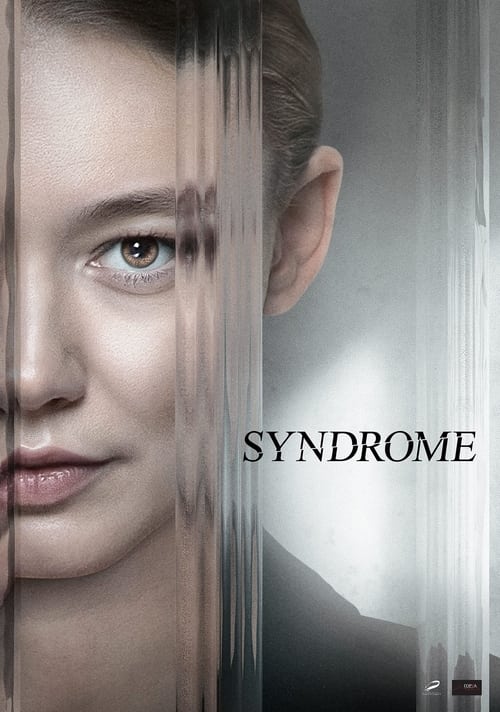







What is the ending?
In the ending of "Behind Closed Doors," the protagonist, Sarah, confronts her abusive husband, Mark, leading to a tense standoff. After a harrowing struggle, Sarah manages to escape, seeking refuge with a supportive friend. The film concludes with Sarah beginning to rebuild her life, symbolizing hope and resilience.
As the final act unfolds, the atmosphere is thick with tension. Sarah, having endured years of emotional and physical abuse at the hands of her husband Mark, reaches a breaking point. The scene opens in their dimly lit living room, where shadows dance across the walls, mirroring the turmoil within Sarah. She stands at the edge of the room, her heart racing, as she contemplates her next move. The weight of her decision hangs heavily in the air, and the camera captures the flicker of determination in her eyes.
Mark enters, his demeanor cold and menacing. He senses Sarah's unrest and confronts her, demanding to know what she is planning. The dialogue is sharp, filled with accusations and threats, as Sarah's voice trembles but grows stronger with each word. She finally reveals her intention to leave him, a declaration that sends shockwaves through the room. Mark's expression shifts from surprise to rage, and the tension escalates as he steps closer, his body language aggressive.
In a pivotal moment, Sarah stands her ground, her fear transforming into defiance. The scene is charged with emotion as she recalls the moments of pain and isolation she has endured. The camera zooms in on her face, capturing the tears that threaten to spill over, yet her resolve remains unbroken. Mark lunges at her, and a struggle ensues, filled with chaos and desperation. The sound of shattering glass echoes as Sarah fights back, using every ounce of strength she has left.
As the struggle reaches its climax, Sarah manages to break free, racing towards the front door. The camera follows her, capturing the urgency of her escape. She bursts into the daylight, the sun illuminating her path as she runs down the street, her heart pounding in her chest. The world outside feels foreign yet liberating, a stark contrast to the darkness she has left behind.
The next scene shifts to Sarah arriving at her friend Lisa's house, breathless and shaken. Lisa, who has been a silent supporter throughout Sarah's ordeal, opens the door with concern etched on her face. The warmth of friendship envelops Sarah as she collapses into Lisa's arms, sobbing with relief. This moment signifies a turning point; Sarah is no longer alone. The camera captures the intimate embrace, highlighting the bond of trust and support that will help Sarah heal.
In the final scenes, we see Sarah beginning to rebuild her life. She attends therapy sessions, where she shares her story and confronts her trauma. The visuals shift to her engaging in activities she once loved, like painting and hiking, symbolizing her journey toward self-discovery and empowerment. The film closes with Sarah standing on a hilltop, overlooking a vast landscape, a metaphor for her newfound freedom and hope. The sun sets in the background, casting a golden hue over the scene, signifying the dawn of a new chapter in her life.
As the credits roll, the fates of the main characters are clear. Sarah has escaped the clutches of her abusive marriage and is on a path to healing, while Mark is left behind, a shadow of his former self, consumed by his own darkness. The film leaves the audience with a sense of resilience and the importance of support in overcoming adversity.
Is there a post-credit scene?
In the movie "Behind Closed Doors," produced in 2022, there is indeed a post-credit scene that adds an intriguing layer to the narrative.
As the credits roll, the screen fades to black before transitioning to a dimly lit room, reminiscent of the film's earlier settings. The camera slowly pans across the space, revealing a series of photographs pinned to a corkboard. Each photo depicts various characters from the film, some in candid moments, others in more sinister poses, hinting at their hidden agendas and secrets.
The focus shifts to a shadowy figure standing in the corner, partially obscured by darkness. The figure is holding a phone, and as they scroll through the images, a smirk forms on their face. The tension in the air is palpable, suggesting that this character has been orchestrating events from behind the scenes, manipulating the lives of the protagonists.
Suddenly, the figure speaks, their voice low and menacing, "They think they're safe now, but the game has only just begun." This chilling statement leaves the audience with a sense of unease and anticipation, hinting at potential future conflicts and unresolved issues that linger beyond the film's conclusion.
The scene fades to black once more, leaving viewers with lingering questions about the true extent of the characters' entanglements and the unseen forces at play, effectively setting the stage for a possible sequel or deeper exploration of the story's themes.
What role does the setting play in the development of the plot?
The setting, primarily within the confines of Sarah and Mark's home, serves as a character itself, symbolizing both safety and entrapment. The closed doors represent the secrets and lies that permeate their relationship, while the contrasting open spaces outside reflect Sarah's desire for freedom and escape from her oppressive situation.
How does the character of Lisa influence Sarah's decisions?
Lisa, Sarah's best friend, acts as a catalyst for change in Sarah's life. Her unwavering support and encouragement push Sarah to confront her fears and question her relationship with Mark. Lisa's own experiences with toxic relationships provide a mirror for Sarah, prompting her to reassess her situation and ultimately seek empowerment.
What is the significance of the character Sarah's backstory in the film?
Sarah's backstory is crucial as it reveals her traumatic childhood experiences that shape her current relationships and decisions. Her struggles with trust and intimacy are highlighted through flashbacks, showcasing her vulnerability and the emotional scars that influence her actions throughout the film.
How does the relationship between Sarah and Mark evolve throughout the movie?
Initially, Sarah and Mark's relationship appears ideal, filled with passion and romance. However, as the story unfolds, Mark's controlling nature becomes evident, leading to tension and conflict. Sarah's internal struggle between love and the need for independence drives the narrative, culminating in a pivotal confrontation that tests their bond.
What are the key moments that lead to Sarah's realization about her relationship with Mark?
Key moments include Sarah discovering Mark's manipulative behavior, such as gaslighting and isolating her from friends. A particularly impactful scene occurs when Sarah overhears Mark belittling her to a friend, shattering her idealized view of him. This realization is compounded by Lisa's warnings and Sarah's own reflections, leading to her ultimate decision to reclaim her life.
Is this family friendly?
"Behind Closed Doors," produced in 2022, is not considered family-friendly due to its exploration of dark themes and intense emotional situations. The film delves into complex family dynamics and personal struggles, which may be distressing for children or sensitive viewers.
Potentially objectionable or upsetting aspects include:
- Domestic Tension: Scenes depicting arguments and emotional conflict between family members, which may create a tense atmosphere.
- Mental Health Struggles: Characters dealing with anxiety, depression, or trauma, portrayed in a raw and realistic manner that could be unsettling.
- Substance Abuse: References to alcohol or drug use, which may be depicted in a way that highlights the negative consequences on family life.
- Isolation and Loneliness: Visuals and narratives that convey feelings of despair and isolation, potentially resonating deeply with sensitive viewers.
- Emotional Manipulation: Instances of characters using emotional tactics to control or influence others, which may be distressing to witness.
These elements contribute to a heavy emotional tone throughout the film, making it more suitable for mature audiences.









