










Popular
What role did Questlove play in the production of Summer of Soul?
Which artists performed at the Harlem Cultural Festival featured in the film?
How did the Harlem Cultural Festival impact the local community during the summer of 1969?
What personal stories do attendees share about their experiences at the festival?
How does the film address the historical context of the 1960s during the festival?
Should I watch it?
Ask Your Own Question

What is the plot?
Sorry, we aren't able to watch and write up a full detailed plot yet. Check back in a few days.
More Movies Like This
Browse All Movies →


What is the ending?
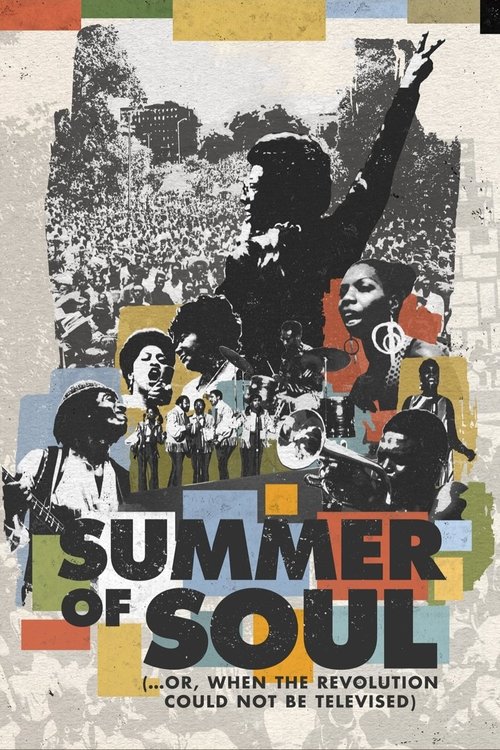
In the ending of "Summer of Soul (...Or, When the Revolution Could Not Be Televised)," the film culminates in a powerful reflection on the significance of the Harlem Cultural Festival and its impact on the community. The documentary showcases the performances of various artists, emphasizing the joy and unity experienced during the festival. As the film concludes, it highlights the lasting legacy of the event, with participants sharing their memories and the importance of the music and culture that emerged from that time.
Expanding on this, the final scenes of "Summer of Soul" unfold with a series of vibrant performances from the festival, interspersed with interviews from attendees and artists. The camera captures the electric atmosphere of the festival, where people of all ages come together to celebrate Black culture through music, dance, and community spirit.
As the film progresses towards its conclusion, we see the legendary performances of artists like Stevie Wonder, Nina Simone, and Sly and the Family Stone. Each performance is filled with energy, showcasing not only the talent of the musicians but also the emotional connection they have with the audience. The joy on the faces of the attendees is palpable, reflecting a sense of pride and belonging that resonates deeply within the community.
In one poignant moment, the film cuts to an interview with attendees who reflect on the significance of the festival in their lives. They share how the event was a rare opportunity to celebrate their culture and identity during a time of social upheaval and civil rights struggles. The emotional weight of their words underscores the festival's importance, as they recount how it fostered a sense of hope and unity.
As the documentary nears its end, the narrative shifts to the legacy of the Harlem Cultural Festival. The film emphasizes that, despite the festival's initial obscurity and the lack of media coverage at the time, its impact has endured. The final scenes feature archival footage of the festival, juxtaposed with contemporary reflections from those who participated. They express gratitude for the experience and the way it shaped their understanding of community and culture.
The film closes with a powerful montage of the festival's highlights, leaving viewers with a sense of nostalgia and appreciation for the music and the message of unity it conveyed. The final images of smiling faces, dancing bodies, and the vibrant energy of the festival serve as a testament to the resilience and creativity of the Black community during a pivotal moment in history.
In terms of character fates, the film does not focus on individual narratives but rather on the collective experience of the community. The attendees, artists, and organizers of the festival are portrayed as part of a larger tapestry of cultural expression, with their shared memories and experiences contributing to the enduring legacy of the Harlem Cultural Festival. The film concludes with a sense of hope, emphasizing that the spirit of the festival lives on in the hearts of those who experienced it and in the music that continues to inspire future generations.
Is there a post-credit scene?
"Summer of Soul (...Or, When the Revolution Could Not Be Televised)" does not have a post-credit scene. The film concludes after the credits roll, focusing on the powerful performances and the historical significance of the 1969 Harlem Cultural Festival. The documentary wraps up by emphasizing the impact of the festival on the community and the artists involved, leaving viewers with a sense of reflection on the cultural and social movements of the time. The absence of a post-credit scene aligns with the film's intent to honor the legacy of the festival and the voices that were often overlooked in history.
What role did Questlove play in the production of Summer of Soul?
Questlove served as the director of Summer of Soul, bringing his passion for music and cultural history to the forefront. He meticulously curated the footage from the 1969 Harlem Cultural Festival, aiming to highlight the significance of the event and its impact on the Black community.
Which artists performed at the Harlem Cultural Festival featured in the film?
The film showcases a variety of iconic performances from artists such as Stevie Wonder, Nina Simone, Sly and the Family Stone, Mahalia Jackson, and Gladys Knight & the Pips, capturing the vibrant spirit of the festival and the era.
How did the Harlem Cultural Festival impact the local community during the summer of 1969?
The Harlem Cultural Festival provided a sense of pride and unity for the local community, offering a space for Black culture to be celebrated and recognized. It served as a counter-narrative to the tumultuous events of the time, fostering a sense of hope and resilience among attendees.
What personal stories do attendees share about their experiences at the festival?
Attendees share heartfelt memories of the festival, describing it as a transformative experience that brought joy and a sense of belonging. Many recount the powerful performances and the communal atmosphere, emphasizing how it shaped their identities and connection to their heritage.
How does the film address the historical context of the 1960s during the festival?
The film interweaves historical footage and interviews that contextualize the festival within the civil rights movement, the Black Power movement, and the cultural shifts of the 1960s. It highlights the struggles and triumphs of the era, illustrating how the festival was a pivotal moment for Black expression and solidarity.
Is this family friendly?
"Summer of Soul (...Or, When the Revolution Could Not Be Televised)" is a documentary that captures the essence of the Harlem Cultural Festival held in 1969. While the film primarily focuses on the celebration of music, culture, and community, there are a few aspects that may be considered potentially objectionable or upsetting for children or sensitive viewers.
-
Historical Context: The film addresses themes of racial tension and social justice, reflecting the struggles faced by the Black community during the 1960s. This context may be heavy for younger viewers to fully grasp.
-
Footage of Civil Unrest: There are scenes that depict the civil rights movement and the societal challenges of the time, which may include images of protests and discussions of violence.
-
Personal Stories: Some interview segments feature individuals sharing their personal experiences with loss, discrimination, and hardship, which may evoke strong emotions.
-
Language: There are instances of strong language used in interviews that may not be suitable for all audiences.
-
Emotional Resonance: The film captures the joy and pain of the Black experience, which may lead to emotional reactions from viewers, particularly those sensitive to themes of injustice and inequality.
Overall, while the film is a celebration of culture and music, its historical and emotional depth may require parental guidance for younger audiences.








