





















Popular
What role does the character of the mother play in the story?
What is the significance of the visions Josiah experiences throughout the film?
How does the relationship between Josiah and his brother play out in the film?
What is the significance of the setting in the film, particularly the family farm?
How does the film explore the theme of guilt through Josiah's character?
Should I watch it?
Ask Your Own Question

What is the plot?
Sorry, we aren't able to watch and write up a full detailed plot yet. Check back in a few days.



What is the ending?
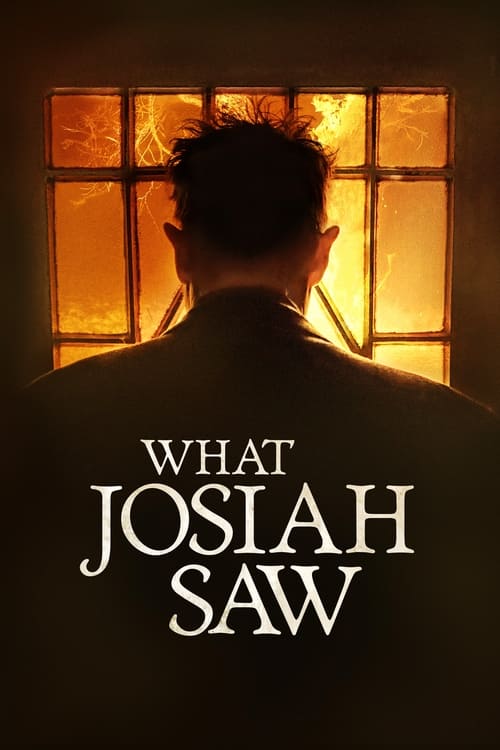
In the ending of "What Josiah Saw," the story culminates in a tense confrontation at the family farm, where long-buried secrets and traumas come to light. Josiah, the patriarch, faces his children, who are grappling with their own demons. The film concludes with a violent and tragic resolution, leading to the deaths of key characters and leaving the remaining family members to confront the aftermath of their actions.
As the final act unfolds, the atmosphere is thick with tension. The scene opens on the dilapidated family farm, a haunting reminder of the past. Josiah, played by Robert Patrick, stands in the shadows, his face etched with years of regret and sorrow. He is a man haunted by his memories, particularly the dark secrets that have plagued his family for generations. The air is heavy with the weight of unspoken truths, and the viewer can feel the impending storm.
Josiah's son, Thomas, portrayed by Scott Haze, arrives at the farm, his demeanor a mix of anger and desperation. He is driven by a need to confront his father about the traumatic events of their childhood, particularly the incident that shattered their family. As Thomas steps into the dimly lit room, the tension escalates. He is visibly shaken, his hands trembling as he grapples with the memories of abuse and neglect. The emotional stakes are high, and the audience can sense the deep-seated pain that has festered within him.
Meanwhile, Josiah's daughter, Mary, played by Kelli Garner, enters the scene, her presence adding another layer of complexity to the family dynamic. She is caught between her father and brother, torn by her loyalty to both. Mary's internal conflict is palpable; she wants to protect her father but also feels the weight of her brother's accusations. The room is charged with unspoken words, and the viewer can feel the emotional turmoil as the siblings confront their shared past.
As the confrontation escalates, Josiah's facade begins to crack. He reveals fragments of his own suffering, his voice trembling with emotion. The audience witnesses a man who has been both a victim and a perpetrator, struggling to reconcile his actions with the love he feels for his children. The scene is raw and powerful, showcasing the complexity of familial relationships marred by trauma.
In a climactic moment, the confrontation turns violent. Thomas, overwhelmed by rage and pain, lashes out at Josiah, leading to a tragic struggle. The scene is chaotic, filled with shouts and the sound of breaking glass. The viewer is left breathless as the violence escalates, culminating in a shocking act that leaves Josiah mortally wounded. The camera lingers on his face, capturing the mix of pain and regret as he realizes the consequences of his actions.
As the dust settles, Mary is left to grapple with the aftermath. She kneels beside her father, tears streaming down her face, her heart heavy with grief and guilt. The weight of their family's history crashes down on her, and the audience can feel her despair as she confronts the reality of their fractured family. The final moments are haunting, with Mary left alone in the dim light, surrounded by the remnants of their shattered lives.
The film concludes with a sense of unresolved tension. The fate of Thomas is left ambiguous, as he disappears into the night, burdened by the weight of his choices. The viewer is left to ponder the implications of their actions and the cyclical nature of trauma within families. The final shot lingers on the empty farm, a stark reminder of the pain that has unfolded, leaving the audience to reflect on the complexities of love, loss, and the haunting shadows of the past.
Is there a post-credit scene?
The movie "What Josiah Saw," produced in 2021, does not contain a post-credit scene. The film concludes its narrative without any additional scenes or content after the credits roll. The story wraps up with a focus on the characters' fates and the haunting themes explored throughout the film, leaving the audience with a sense of closure regarding the events that transpired.
What role does the character of the mother play in the story?
The mother in 'What Josiah Saw' is a pivotal figure whose presence looms large over the narrative. She embodies the family's dark history and the emotional scars that affect each character. Her past actions and the secrets she kept contribute to the family's dysfunction, and her relationship with Josiah and Thomas is marked by a mix of love, fear, and betrayal, ultimately influencing their choices and fates.
What is the significance of the visions Josiah experiences throughout the film?
Josiah's visions serve as a haunting reflection of his past and the trauma that has shaped his life. They are manifestations of his guilt and the dark secrets he harbors about his family's history. These visions are not just supernatural occurrences; they symbolize his internal struggle and the weight of his memories, pushing him to confront the truth about his family's legacy.
How does the relationship between Josiah and his brother play out in the film?
The relationship between Josiah and his brother, Thomas, is fraught with tension and unresolved conflict. Josiah, burdened by his past, often feels a sense of responsibility for Thomas, who is portrayed as more reckless and troubled. Their interactions reveal deep-seated resentment and a longing for connection, culminating in moments of both confrontation and vulnerability as they navigate their shared trauma.
What is the significance of the setting in the film, particularly the family farm?
The family farm serves as a central symbol in 'What Josiah Saw,' representing both a place of refuge and a site of trauma. Its dilapidated state mirrors the family's disintegration and the weight of their past. The isolation of the farm amplifies the characters' emotional struggles, creating a claustrophobic atmosphere that forces them to confront their demons. The setting becomes a character in itself, reflecting the decay of familial bonds and the haunting memories that linger.
How does the film explore the theme of guilt through Josiah's character?
Josiah's character is deeply intertwined with the theme of guilt, which manifests in his visions and interactions with others. He grapples with feelings of shame over his past actions and the impact they have had on his family. This guilt drives him to seek redemption, yet it also paralyzes him, creating a cycle of self-loathing and despair. His journey throughout the film is one of confronting this guilt, leading to moments of both clarity and anguish as he seeks to reconcile with his past.
Is this family friendly?
"What Josiah Saw" is not considered family-friendly and contains several potentially objectionable or upsetting elements. Here are some aspects that may be concerning for children or sensitive viewers:
-
Themes of Trauma and Abuse: The film delves into heavy themes of familial trauma, including past abuse and its lingering effects on the characters, which may be distressing.
-
Violence: There are scenes that depict violence, including physical confrontations and threats, which can be unsettling.
-
Substance Abuse: Characters struggle with addiction, which is portrayed in a raw and realistic manner, potentially triggering for some viewers.
-
Mental Health Issues: The film explores mental health struggles, including depression and paranoia, which may be difficult for sensitive audiences to watch.
-
Dark Atmosphere: The overall tone of the film is bleak and unsettling, with a pervasive sense of dread that may be uncomfortable for younger viewers.
-
Mature Language: The dialogue includes strong language that may not be suitable for children.
These elements contribute to a narrative that is intense and may not be appropriate for all audiences, particularly younger viewers or those who are sensitive to such themes.







