








Popular
What motivates the Princess to fight against her captors?
How does the Princess's relationship with her father influence her actions?
What role do the supporting characters play in the Princess's journey?
What challenges does the Princess face while trying to escape?
How does the Princess evolve throughout the film?
Should I watch it?
Ask Your Own Question

What is the plot?
Sorry, we aren't able to watch and write up a full detailed plot yet. Check back in a few days.
More Movies Like This
Browse All Movies →






What is the ending?
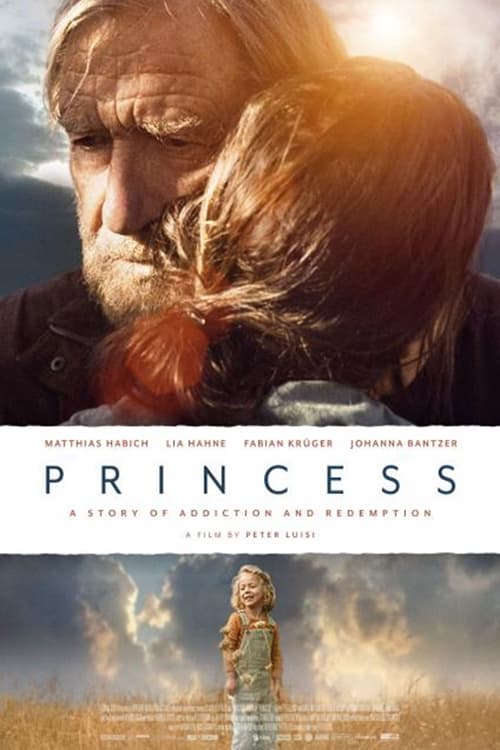
In the ending of the movie "Princess," the titular character, after a fierce battle against her captors, ultimately defeats the antagonist and escapes the castle. She embraces her newfound freedom and the possibility of a life beyond her previous constraints.
As the climax unfolds, the scene is set within the dimly lit corridors of the castle, where the Princess, having fought her way through various obstacles, confronts the main antagonist. The tension is palpable as she stands defiantly, her heart racing with a mix of fear and determination. The antagonist, a powerful figure who has held her captive, underestimates her resolve.
In a series of intense confrontations, the Princess showcases her strength and resourcefulness. She utilizes her surroundings, turning the castle's dark corners into her allies. Each strike she delivers is fueled by the memories of her past, the longing for freedom, and the desire to reclaim her identity. The choreography of the fight is both brutal and beautiful, highlighting her transformation from a passive figure to a fierce warrior.
As the battle reaches its peak, the Princess finds herself cornered, but in a moment of clarity, she recalls the lessons learned during her captivity. With a surge of adrenaline, she executes a final, decisive move that brings the antagonist to their knees. The moment is charged with emotion; it is not just a victory over her captor but a reclaiming of her agency and identity.
With the antagonist defeated, the Princess makes her way through the castle, her heart pounding with the thrill of freedom. She navigates the once-familiar halls, now transformed by her newfound strength. As she reaches the castle gates, the sunlight floods in, symbolizing hope and the promise of a new beginning.
Outside, she is met by a small group of allies who had been waiting for her. Their faces light up with joy and relief, and they embrace her, celebrating her bravery. The Princess, now free, looks out at the horizon, contemplating the vast world that lies ahead of her. The film closes on her determined expression, a blend of hope and resolve, as she steps forward into her future.
In the final moments, the fate of the main characters is revealed. The antagonist, now defeated, is left behind in the castle, a symbol of the oppressive forces that the Princess has overcome. The allies who supported her throughout her journey stand by her side, ready to face whatever challenges may come next. The Princess, having shed her past, is poised to embrace her destiny, embodying the film's themes of empowerment and resilience.
Is there a post-credit scene?
In the movie "Princess" (2021), there is no post-credit scene. The film concludes its narrative without any additional scenes or content after the credits roll. The story wraps up with a focus on the main character's journey and the resolution of the central conflict, leaving no further developments or surprises for the audience after the film's conclusion.
What motivates the Princess to fight against her captors?
The Princess is driven by a fierce desire for freedom and autonomy. Captured and held in a castle, she feels a deep sense of injustice and anger at being treated as a pawn in her father's political games. Her internal struggle is fueled by a longing to reclaim her agency and protect those she loves, pushing her to take bold actions against her captors.
How does the Princess's relationship with her father influence her actions?
The Princess's relationship with her father is strained and complex. He represents the oppressive forces that confine her, and his decisions often leave her feeling betrayed. This dynamic propels her to rebel against not only her captors but also the expectations placed upon her by her family, as she seeks to forge her own identity and destiny.
What role do the supporting characters play in the Princess's journey?
The supporting characters, including her loyal friends and allies, provide crucial assistance and emotional support throughout her journey. They each have their own motivations and backstories that intertwine with the Princess's quest, helping to highlight themes of loyalty, sacrifice, and the fight for freedom. Their interactions with her deepen her resolve and showcase the importance of camaraderie in overcoming adversity.
What challenges does the Princess face while trying to escape?
The Princess encounters numerous challenges during her escape, including physical confrontations with guards, navigating treacherous terrain, and overcoming traps set by her captors. Each obstacle tests her resilience and resourcefulness, forcing her to confront her fears and adapt her strategies. These moments are filled with tension and urgency, showcasing her determination to break free.
How does the Princess evolve throughout the film?
Throughout the film, the Princess evolves from a passive figure constrained by her circumstances to a proactive and empowered warrior. Initially, she struggles with self-doubt and the weight of her royal duties, but as she faces adversity, she discovers her inner strength and leadership qualities. This transformation is marked by pivotal moments of courage and defiance, ultimately leading her to embrace her role as a fighter for her own freedom and that of others.
Is this family friendly?
The movie "Princess," produced in 2021, is not considered family-friendly due to its intense themes and graphic content. Here are some potentially objectionable or upsetting aspects that may occur for children or sensitive viewers:
-
Violence: The film contains several scenes of intense violence, including physical confrontations and battles that may be distressing.
-
Blood and Gore: There are moments that depict bloodshed and injuries, which could be unsettling for younger audiences.
-
Dark Themes: The narrative explores themes of captivity, betrayal, and survival, which may be emotionally heavy and difficult for children to process.
-
Emotional Distress: Characters experience significant emotional turmoil, including fear, desperation, and trauma, which could be upsetting.
-
Mature Language: The dialogue includes strong language that may not be suitable for younger viewers.
These elements contribute to a tone that is more appropriate for mature audiences rather than children.








