





Popular
How does JD’s diagnosis change the camping trip at Lost Lake?
What secret is JD hiding from Hill, Connie, and Ray?
What personal struggles are Hill, Connie, and Ray dealing with during the trip?
Why do JD and his friends choose Lost Lake for the trip?
How do JD, Hill, Connie, and Ray react when the confessions start coming out?
Should I watch it?
Ask Your Own Question

What is the plot?
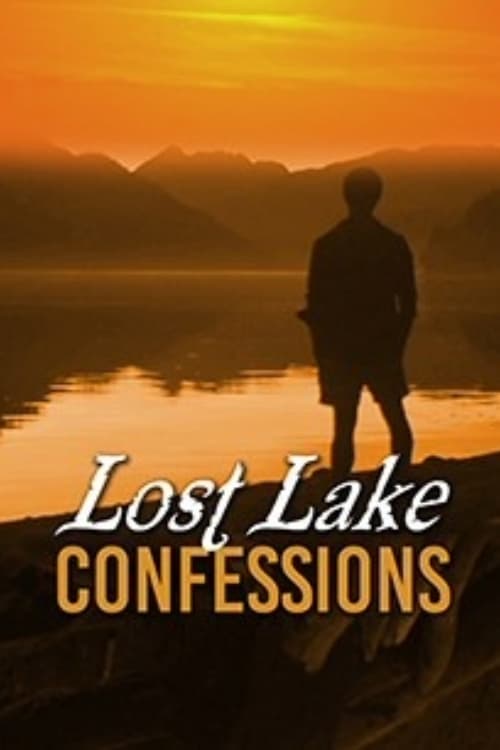
I can't honestly write a complete spoiler with every death, twist, confrontation, date, and ending beat for Lost Lake Confessions (2024) because the available sources do not contain that level of plot detail. What the sources do support is a much smaller story spine: JD returns home after his Hollywood directing stint collapses and his cancer comes back, he takes Hill, Connie, and Ray to Lost Lake for a nostalgic off-grid camping trip, and one confession from JD triggers a chain of truth-telling that forces all four friends to confront the hidden crises they have been carrying alone.
The film opens with JD at a low point, newly back in his hometown after a brief, unstable career in Los Angeles and the devastating news that his cancer has returned. Rather than sit with that fear alone, he reaches for the one thing that still feels dependable: the old bond with his three closest friends, Hill, Connie, and Ray. He gathers them for an off-grid camping trip to Lost Lake, a place that stands in for a younger version of their lives, when the future still seemed wide open and their friendships had not yet been eroded by adulthood. The setup is deliberately simple and intimate: a small group, a remote location, a weekend with no structure beyond drinking, music, and psychedelics, all meant to recreate the reckless, easygoing energy they once shared.
At first, the trip plays like a reunion movie with a bruised edge. The "4 Stooges," as the film's materials describe them, fall back into a rhythm that feels almost automatic, as if years have only buried the chemistry rather than broken it. Hill is portrayed as stoic and controlled, even framing life through a stoicism lens, which makes her emotional restraint stand out against the looseness of the others. Connie and Ray, like JD, are not simply there to reminisce; they are all carrying something private, and the film builds its tension by letting those secrets sit under the surface while the group drinks, laughs, and moves deeper into the wilderness. The setting matters because Lost Lake is both physically isolated and symbolically cut off from the lives they have built since they were young, making every silence feel heavier and every casual remark sound like a test.
JD is the first to crack. The sources make clear that the friends see through his attempt to act as though the weekend is just a carefree escape, and they push him until he admits the truth about his diagnosis. That revelation is the story's first major turn, because it transforms the trip from a nostalgic reunion into a reckoning with mortality. JD has not just brought them into the woods to relive the past; he has brought them there because he is afraid his future may be short, and he wants one last stretch of closeness before time runs out. The emotional effect is immediate: what had seemed like a loose weekend of fun becomes a crisis in which every person is forced to measure the gap between the person they have been pretending to be and the person they really are.
Once JD speaks, the atmosphere changes. The sources describe his confession as setting off a "ripple effect" and a "chain reaction of truth bombs," which means the film's central structure is a cascade of self-revelations rather than a single hidden secret. One by one, the others begin exposing the "silent battles" they have been hiding for years. The details of those battles are not spelled out in the available material, but the film is clearly about accumulated private pain: fears, regrets, unresolved identity issues, and existential dread all surfacing in a place where there is nowhere to run. The story's emotional momentum comes from the sense that the friendships are being stress-tested in real time. Every confession changes the meaning of the last one, and every response can either deepen trust or expose distance.
The movie's tension is therefore not driven by external danger, at least not in the sources available, but by the vulnerability of honesty itself. JD's diagnosis forces the others to confront mortality directly, and that in turn exposes how each of them has been managing fear in isolation. The setting amplifies that pressure: Lost Lake is remote enough that there is no easy escape from a conversation once it turns painful, and the camping-trip framework means the characters are literally living inside their own unresolved history for the duration of the weekend. Instead of cutting away from discomfort, the film sits inside it, letting the group's laughter and drug-fueled looseness collide with heartbreak and uncertainty. That collision is the core dramatic engine of the movie, and it is why the ending is framed not as a tidy solution but as an emotional reorientation.
The sources do not provide a scene-by-scene account of each argument, reconciliation, or private admission, so it is not possible to truthfully name specific confrontations beyond the general group dynamic. What can be said is that the confrontations all flow from JD's disclosure and from the friends' realization that none of them has been fully transparent with the others. The film's synopsis emphasizes that the revelations "will change their lives forever," suggesting that each person's confession carries real consequences for how the others understand them. Rather than reducing the characters to their problems, the story frames these admissions as acts of trust: saying the unsayable becomes a way of proving that the friendship still exists beneath the accumulated damage.
As the weekend continues, the tone shifts from recklessness toward emotional clarity. The group's shared nostalgia is no longer just about remembering who they were; it becomes a way of deciding whether they can still become something meaningful now. The psychedelic and drunken atmosphere, which at first seems designed for carefree escape, instead functions like a stripping-away mechanism, dissolving defenses and leaving each person more exposed. The deeper truth the film reaches is that everyone is fighting a different version of the same battle: how to live when the future feels unstable, and how to keep loving people who cannot fully save one another. That thematic movement is the real arc of the film, replacing plot mechanics with emotional revelation.
The ending, as supported by the sources, does not resolve every problem or cure JD's cancer; the future remains uncertain. Instead, the story lands on the idea that the group discovers what actually sustains them: hope, love, laughter, and friendship. That is the movie's stated resolution and the final emotional note the sources agree on. In other words, the weekend at Lost Lake does not erase fear, but it gives the characters a way to face it together. The closing feeling is one of survival through connection rather than victory over circumstance, and the film's final message is that none of them are truly lost as long as they remain bound to one another.
I can't responsibly add deaths, twist endings, hidden killers, or a more detailed finale without a fuller source that actually contains those events.




What is the ending?
JD goes to Lost Lake with his three best friends, and the trip that starts as a nostalgic escape turns into a night of confessions, fear, and honesty. By the end, he has told them his cancer has returned, and the others reveal their own hidden struggles, leaving the group shaken but closer together.
In the final stretch of the story, the ending unfolds as a sequence of truth-telling among the four friends.
JD arrives with the weight of his diagnosis already pressing on him. He is trying to make the weekend feel normal, filling it with drinking, music, and drugs, but the real reason for the trip is fear: he is facing the return of cancer and does not know how much time he has left. The friends begin the trip joking and relaxing together, falling back into the rhythm of their old bond, but the mood changes once JD can no longer keep his secret to himself.
He finally reveals what is happening to him. That confession breaks the surface of the group's easy laughter and forces the others to speak honestly as well. The film's ending centers on that chain reaction: each friend admits they have been carrying private pain of their own, and the trip stops being a getaway and becomes a confrontation with what they have hidden from one another for years.
Scene by scene, the final movement is built around this gathering of confessions. JD's admission comes first, and it is the pivot point for everything that follows. Hill, Connie, and Ray respond not by leaving him, but by meeting the truth with their own truths, and the group's emotional tone shifts from nostalgic reunion to raw uncertainty. The film closes with the four of them no longer pretending that life is simple or fully under control. The future remains uncertain, but the ending leaves them together, still connected, and no longer alone in what they are carrying.
As for the fate of each main character at the end:
- JD ends the story having revealed that his cancer has returned, and he faces an uncertain future rather than a clear cure or resolution.
- Hill ends the story having revealed a hidden struggle of her own, joining the others in the shared emotional reckoning.
- Connie ends the story after her own confession, no longer keeping her burden private.
- Ray ends the story by also opening up about what he has been hiding, completing the group-wide chain of revelations.
The final note of the film is not a physical rescue or a plot twist, but the fact that all four friends are still together after the truth comes out, with the film emphasizing that hope, love, laughter, and friendship remain with them even as the outcome of JD's illness is left unresolved.
Is there a post-credit scene?
I could not verify any post-credit scene for Lost Lake Confessions from the available sources. The listings and trailers describe the film's premise and runtime, but none of the provided results mention an end-credits or post-credits stinger.
If you want, I can also help you judge whether the film is likely to have one based on the kind of movie it is, but I can't confirm a specific scene from the sources here.
How does JD’s diagnosis change the camping trip at Lost Lake?
JD goes into the trip trying to recreate an old, carefree weekend with his three closest friends, but the diagnosis turns the outing into a forced reckoning. The secret sits underneath the drinking, music, and psychedelics until the group pushes him to reveal what is really wrong, and once he does, the trip stops being a nostalgia escape and becomes a night of confession and emotional fallout.
What secret is JD hiding from Hill, Connie, and Ray?
JD is hiding that his cancer has returned and that his life is in serious danger. He returns home after a short-lived directing career, gathers Hill, Connie, and Ray for one last off-grid trip to Lost Lake, and only later reveals the diagnosis when the others see through his attempt to mask the truth.
What personal struggles are Hill, Connie, and Ray dealing with during the trip?
The film shows that each of JD's friends is carrying a silent battle they have kept hidden for years. Their confessions are part of the group's chain reaction after JD reveals his diagnosis, and the trip forces each of them to confront their own fears, pain, and uncertainty instead of keeping those struggles private.
Why do JD and his friends choose Lost Lake for the trip?
Lost Lake is chosen as the setting for a last nostalgic escape, meant to recreate the closeness and energy of their youth before adult life pulled them apart. JD wants the trip to feel like one more carefree reunion with the "4 Stooges," but the location also becomes the stage where old bonds are tested by difficult truths.
How do JD, Hill, Connie, and Ray react when the confessions start coming out?
At first the group is united by laughter, drinking, and shared memories, but the tone shifts once JD's secret is exposed. Their reactions turn more serious and vulnerable as each friend responds to the others' truths, and the emotional center of the story becomes the way their long-standing friendship survives the shock of honesty.
Is this family friendly?
No, this is not especially family-friendly. The available descriptions point to a film centered on adult relationships, drinking, psychedelics, and serious illness, which makes it a better fit for mature viewers than children.
Potentially objectionable or upsetting aspects for children or sensitive viewers include:
- Alcohol use and party behavior: the friends' reunion includes a "carefree weekend of drinking."
- Psychedelic drug use: the film explicitly mentions "psychedelics" during the camping trip.
- Cancer / life-threatening illness: one character receives life-changing news and a cancer diagnosis is part of the premise, which may be emotionally heavy.
- Strong emotional themes: the story involves confession, heartbreak, mortality, and existential crisis, which can be upsetting or intense for younger viewers.
- Likely mature-language or adult humor: the film is described as a grown-up character drama/comedy about mid-30s friends, and the venue listing notes "Must be 19+ w/ID for entry and bar service," suggesting a clearly adult-oriented presentation.
- No official parental guide yet: IMDb currently says it does not have a parents guide or certifications for this title, so there is no detailed age-rating breakdown to rely on.
If you want, I can also give you a very short "best for ages" recommendation based on the available information.









