


























Popular
Who is Reinhard Heydrich and what role does he play in the story?
What is the significance of the assassination plot against Heydrich?
How does the character of Jan Kubiš evolve throughout the film?
What are the emotional stakes for the character of Josef Valčík?
What are the consequences of the assassination attempt on Heydrich for the resistance fighters?
Should I watch it?
Ask Your Own Question

What is the plot?
Sorry, we aren't able to watch and write up a full detailed plot yet. Check back in a few days.

What is the ending?
In the ending of "The Man with the Iron Heart," the film culminates in a tense confrontation between the resistance fighters and the Nazi regime. The main characters face the consequences of their actions, leading to a tragic conclusion for many. The film closes with a sense of loss and the enduring impact of their struggle against tyranny.
As the final act unfolds, we find ourselves in the aftermath of the assassination of Reinhard Heydrich, a high-ranking Nazi official. The resistance fighters, led by Jozef and Jan, are on the run, having executed their daring plan. The tension is palpable as they navigate the treacherous landscape of occupied Czechoslovakia, knowing that the Nazi forces are hunting them down with relentless determination.
Scene by scene, the narrative reveals the emotional weight of their choices. Jozef, burdened by the gravity of their mission, grapples with the loss of comrades and the moral implications of their actions. His internal conflict is evident as he reflects on the cost of resistance. Meanwhile, Jan, filled with a mix of pride and fear, tries to maintain hope for a future free from oppression, even as the walls close in around them.
The film shifts to the Nazi headquarters, where Heydrich's death has sparked a brutal crackdown. The atmosphere is thick with tension as the Nazis, led by the ruthless Karl Hermann Frank, vow to hunt down the assassins. The audience witnesses the chilling efficiency of the Nazi regime as they employ brutal tactics to root out the resistance, showcasing the lengths to which they will go to maintain control.
As the resistance fighters regroup, they are forced to make difficult decisions. Jozef and Jan realize that their time is running out. They share a poignant moment, reflecting on their friendship and the sacrifices they have made. This scene is heavy with emotion, underscoring the bond forged in the fires of conflict.
In a climactic confrontation, the resistance fighters are cornered. The tension escalates as they prepare for a final stand. The film captures the chaos of the moment, with gunfire erupting and the sound of explosions echoing in the air. Jozef and Jan fight valiantly, but the overwhelming force of the Nazis proves too much.
In the end, Jozef is captured, and the film portrays his fate with somber gravity. He faces the consequences of his actions, a poignant reminder of the sacrifices made in the name of freedom. Jan, on the other hand, meets a tragic end during the firefight, his dreams of a liberated future extinguished in an instant.
The film concludes with a haunting image of the aftermath, the cost of resistance laid bare. The audience is left with a sense of loss, reflecting on the enduring impact of the characters' struggle against tyranny. The final scenes serve as a powerful reminder of the sacrifices made in the fight for freedom, leaving a lasting impression of the human cost of war.
Is there a post-credit scene?
The movie "The Man with the Iron Heart," released in 2017, does not feature a post-credit scene. The film concludes its narrative without any additional scenes or content after the credits roll. The story wraps up with a focus on the historical events surrounding the assassination of Reinhard Heydrich and the impact of those events on the characters involved, leaving the audience with a sense of closure regarding the main plot.
Who is Reinhard Heydrich and what role does he play in the story?
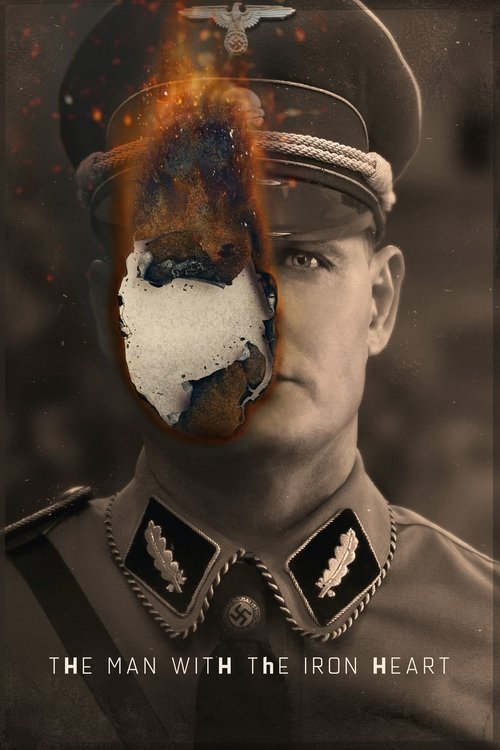
Reinhard Heydrich, portrayed by Jason Clarke, is a high-ranking Nazi official and one of the main antagonists in 'The Man with the Iron Heart.' He is depicted as a ruthless and cunning leader, known for his role in orchestrating the Holocaust and his involvement in the Nazi regime's operations in Czechoslovakia. His character is driven by a desire for power and control, showcasing a chilling blend of charisma and brutality.
What is the significance of the assassination plot against Heydrich?
The assassination plot against Heydrich is central to the narrative, as it represents the resistance efforts of Czechoslovak soldiers who were trained in Britain. The plan, known as Operation Anthropoid, is filled with tension and urgency, highlighting the bravery and desperation of the characters involved. The plot's significance lies in its embodiment of the struggle against tyranny and the personal sacrifices made by the resistance fighters.
How does the character of Jan Kubiš evolve throughout the film?
Jan Kubiš, played by Jack O'Connell, undergoes significant development throughout the film. Initially portrayed as a determined but somewhat naive soldier, his character evolves as he faces the harsh realities of war and the moral complexities of assassination. His internal conflict and growing sense of responsibility for the mission's success and the lives of his comrades add depth to his character, showcasing his transformation from a soldier to a man burdened by the weight of his actions.
What are the emotional stakes for the character of Josef Valčík?
Josef Valčík, portrayed by Michal Balcar, is deeply invested in the mission to assassinate Heydrich, driven by a personal vendetta against the Nazi regime for the suffering it has caused his family and country. His emotional stakes are heightened by the fear of failure and the potential loss of his comrades. Valčík's loyalty and camaraderie with Kubiš create a poignant bond, making the mission not just a political act but a deeply personal one, filled with hope and despair.
What are the consequences of the assassination attempt on Heydrich for the resistance fighters?
The consequences of the assassination attempt on Heydrich are dire and far-reaching. Following the attack, the Nazi regime retaliates with brutal force, leading to widespread reprisals against the Czech population. The resistance fighters face severe repercussions, including loss of life, betrayal, and the destruction of their network. This aftermath illustrates the high cost of their bravery and the harsh realities of resistance against an oppressive regime.
Is this family friendly?
"The Man with the Iron Heart," produced in 2017, is not considered family-friendly due to its intense and mature themes. The film contains several potentially objectionable or upsetting scenes, including:
-
Violence and Warfare: The movie depicts various acts of violence, including combat scenes, assassinations, and the brutal realities of war, which may be distressing for younger viewers.
-
Death and Suffering: There are graphic representations of death, including the aftermath of violent encounters, which can be emotionally heavy and unsettling.
-
Torture and Cruelty: Some scenes involve torture and the suffering of characters, highlighting the harshness of the historical context.
-
Emotional Trauma: Characters experience significant emotional pain, loss, and betrayal, which may resonate deeply and be upsetting for sensitive viewers.
-
Historical Context: The film is set during World War II and addresses themes of resistance against oppression, which may be difficult for children to fully comprehend or process.
Overall, the film's mature content and serious themes make it more suitable for adult audiences.









