
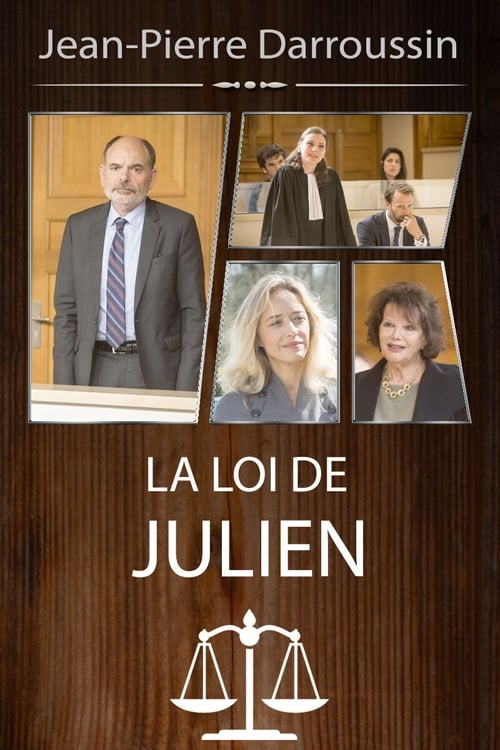














Popular
What motivates Julien to take the law into his own hands?
How does Julien's relationship with his mother evolve throughout the film?
What role does the character of the antagonist play in Julien's transformation?
How does Julien's past influence his decisions in the present?
What are the consequences of Julien's actions on his family dynamics?
Should I watch it?
Ask Your Own Question

What is the plot?
Sorry, we aren't able to watch and write up a full detailed plot yet. Check back in a few days.




What is the ending?
In the ending of "La Loi de Julien, Le bon fils," Julien confronts the consequences of his actions and the moral dilemmas he faces as a father. The film culminates in a tense standoff that forces Julien to make a choice that will impact his family and his own sense of justice.
As the film progresses towards its conclusion, Julien finds himself in a precarious situation. He is torn between his desire to protect his son, who has been influenced by the criminal world, and his own moral compass that has been shaped by his past experiences. The climax unfolds in a dramatic confrontation where Julien must decide whether to uphold the law or bend it for the sake of his family.
In the final scenes, Julien's internal struggle reaches a peak. He ultimately chooses to confront the criminal elements that threaten his family, leading to a resolution that is both tragic and redemptive. The film closes with a sense of ambiguity regarding Julien's future, leaving the audience to ponder the complexities of fatherhood, justice, and the choices we make.
Now, let's delve into the ending in a more detailed narrative fashion:
As the sun begins to set, casting a golden hue over the city, Julien stands at a crossroads, both literally and metaphorically. The weight of his decisions hangs heavily on his shoulders. He has been grappling with the reality that his son, a young man caught in the throes of rebellion, has become entangled with dangerous individuals. Julien's heart races as he recalls the moments that led them here--the laughter, the love, and the gradual shift towards darkness.
In a dimly lit warehouse, Julien confronts the gang that has been manipulating his son. The air is thick with tension, and the shadows dance ominously around them. Julien's fists clench as he faces the leader of the gang, a man whose cold demeanor sends shivers down his spine. The dialogue is sharp, filled with accusations and desperate pleas. Julien's voice trembles with a mix of anger and fear as he demands the safety of his son, who is being held captive in this den of iniquity.
The gang leader smirks, taunting Julien about his failures as a father. This strikes a nerve, igniting a fire within Julien. He recalls the moments of tenderness he shared with his son, the dreams he had for him, and the love that has been overshadowed by the chaos of their lives. Julien's resolve hardens; he knows he must act, not just for his son, but to reclaim his own sense of honor.
As the confrontation escalates, Julien's son, caught in the crossfire of loyalty and fear, watches from the shadows. He is torn between the life he has chosen and the love he still feels for his father. The emotional turmoil is palpable, and the stakes are raised as Julien makes a desperate move to save him. In a flurry of action, Julien fights against the gang members, showcasing his determination and the lengths he will go to protect his family.
The scene is chaotic, filled with shouts and the sounds of struggle. Julien's heart pounds in his chest as he navigates through the fray, his mind racing with thoughts of what could happen if he fails. He catches glimpses of his son, who is both terrified and inspired by his father's bravery. In that moment, Julien realizes that this fight is not just about physical safety; it is about reclaiming their bond and the future they can still have together.
As the dust settles, Julien emerges victorious but not unscathed. He stands over the defeated gang members, breathing heavily, his body bruised but his spirit unbroken. He turns to his son, who is now free from the clutches of the gang. Their eyes meet, and in that silent exchange, a world of understanding passes between them. Julien's son, filled with a mix of admiration and regret, steps forward, and they embrace tightly, the weight of their shared experiences binding them closer than ever.
However, the resolution is bittersweet. As they leave the warehouse, the reality of their situation looms large. Julien knows that the battle against the influences that threaten their family is far from over. The film closes with a shot of them walking away from the chaos, silhouetted against the fading light, symbolizing both hope and uncertainty. Julien's fate remains ambiguous; he has fought for his son, but the scars of their past linger, hinting at the ongoing struggle for redemption and the complexities of fatherhood.
In the final moments, the audience is left to reflect on the choices made by Julien and his son, the sacrifices they have endured, and the uncertain path that lies ahead. The film ends, leaving a lingering sense of contemplation about the nature of justice, love, and the bonds that define us.
Is there a post-credit scene?
In "La Loi de Julien, Le bon fils," there is no post-credit scene. The film concludes its narrative without any additional scenes or content after the credits roll. The story wraps up with a focus on the main characters and their resolutions, leaving the audience with a sense of closure regarding the events that transpired throughout the film.
What motivates Julien to take the law into his own hands?
Julien is driven by a deep sense of justice and a desire to protect his family. After experiencing a personal tragedy that shakes his faith in the legal system, he feels compelled to act when he believes the authorities are failing to deliver justice.
How does Julien's relationship with his mother evolve throughout the film?
Julien's relationship with his mother is strained at the beginning, as she is unaware of his darker motivations and actions. As the story progresses, she becomes increasingly concerned about his choices, leading to emotional confrontations that reveal her fears for his safety and moral integrity.
What role does the character of the antagonist play in Julien's transformation?
The antagonist serves as a catalyst for Julien's transformation, embodying the corruption and moral decay that Julien despises. Their confrontations force Julien to confront his own values and the lengths he is willing to go to achieve his version of justice.
How does Julien's past influence his decisions in the present?
Julien's past, particularly the loss of a loved one due to crime, heavily influences his decisions. This trauma instills in him a relentless pursuit of vengeance and a belief that he must take matters into his own hands, leading to a cycle of violence that he struggles to escape.
What are the consequences of Julien's actions on his family dynamics?
Julien's actions create a rift within his family, as his mother and siblings grapple with the moral implications of his choices. His descent into vigilantism strains their relationships, leading to moments of tension and heartbreak as they confront the reality of his decisions.
Is this family friendly?
"La Loi de Julien, Le bon fils" is a drama that explores complex themes and relationships, which may not be suitable for younger audiences or sensitive viewers. Here are some potentially objectionable or upsetting aspects:
-
Family Conflict: The film delves into intense family dynamics, including arguments and emotional confrontations that may be distressing for children.
-
Themes of Betrayal: There are moments that explore feelings of betrayal and disappointment within familial relationships, which could be upsetting.
-
Violence and Threats: The narrative includes scenes that may depict violence or threats, contributing to a tense atmosphere.
-
Emotional Turmoil: Characters experience significant emotional struggles, including grief and anger, which may be heavy for younger viewers to process.
-
Moral Ambiguity: The film presents morally complex situations that may be confusing or troubling for children, as characters navigate difficult choices.
These elements contribute to a mature tone, making the film more appropriate for older teens and adults.









