










Popular
What is the significance of the relationship between the mother and her son in Blood?
How does Tyler's character evolve throughout the film?
What role does the theme of violence play in the development of the plot?
What is the impact of Jess's profession on the story?
How does the setting influence the mood and tone of Blood?
Should I watch it?
Ask Your Own Question

What is the plot?
Sorry, we aren't able to watch and write up a full detailed plot yet. Check back in a few days.

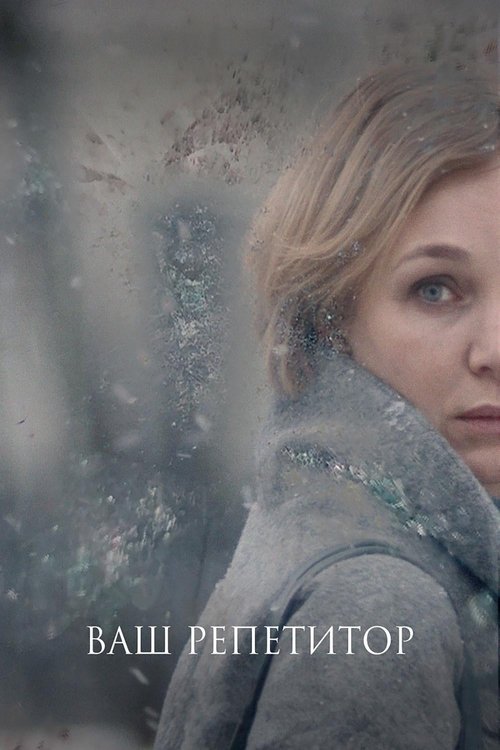







What is the ending?
In the ending of the movie "Blood," the protagonist, a mother named Jess, is faced with a harrowing choice regarding her son, who has been infected with a dangerous condition. Ultimately, she makes a desperate decision that leads to tragic consequences, culminating in a confrontation that leaves her grappling with the aftermath of her actions.
As the film reaches its climax, Jess is in a state of turmoil. She has been trying to protect her son, but the situation has spiraled out of control. In a tense moment, she confronts the reality of her son's condition and the lengths she is willing to go to save him. The emotional weight of her choices bears down on her, and she is torn between her maternal instincts and the moral implications of her actions.
In the final scenes, Jess's desperation leads her to a point of no return. The film closes with a haunting image of her standing alone, reflecting on the choices she has made and the impact they will have on her life and her son's future.
Now, let's delve into the ending in a more detailed, chronological narrative.
As the final act unfolds, Jess is increasingly isolated, her desperation palpable. She has been trying to care for her son, who is showing signs of a severe and mysterious illness. The tension in their home is thick, filled with unspoken fears and the weight of impending doom. Jess's internal struggle is evident; she is a mother willing to do anything to save her child, yet she is also aware of the moral boundaries she is crossing.
In a pivotal scene, Jess discovers that her son has been exhibiting violent behavior, a side effect of his condition. This revelation sends her into a spiral of panic and confusion. She grapples with the fear of what her son might become and the realization that she may not be able to protect him from himself. The emotional turmoil is reflected in her frantic movements around the house, her eyes wide with fear and determination.
As the situation escalates, Jess is confronted by her own choices. She meets with a doctor who offers a potential solution, but it comes with significant risks. The doctor's words echo in her mind, highlighting the moral dilemma she faces: to save her son, she may have to sacrifice her own values. The weight of this decision hangs heavily over her, and the audience can feel her internal conflict as she wrestles with the implications of her actions.
In the climax, Jess makes a fateful decision that leads to a confrontation with her son. The scene is charged with tension as she tries to reason with him, her voice trembling with emotion. She is torn between her love for him and the fear of what he has become. The room is dimly lit, shadows dancing on the walls, mirroring the darkness of the situation. Jess's desperation reaches a peak as she realizes that her son is no longer the innocent child she once knew.
The confrontation escalates, and in a moment of sheer panic, Jess takes drastic action. The scene is chaotic, filled with raw emotion as she fights to regain control. The camera captures the intensity of the moment, focusing on Jess's face, which is a mixture of fear, love, and regret. The audience can feel the weight of her decision as she grapples with the consequences of her actions.
In the aftermath, Jess is left standing alone, the silence of the room echoing the finality of her choices. The camera lingers on her face, capturing the deep sorrow and regret that has settled in her eyes. She is a mother who has crossed a line, and the emotional toll is evident. The film closes with a haunting image of her, a stark reminder of the lengths a parent will go to protect their child, even at the cost of their own humanity.
As the credits roll, the fate of Jess and her son hangs in the balance, leaving the audience to ponder the implications of her choices and the tragic consequences of love and desperation.
Is there a post-credit scene?
In the movie "Blood," produced in 2019, there is no post-credit scene. The film concludes its narrative without any additional scenes or content after the credits roll. The story wraps up with a focus on the emotional and psychological aftermath of the events that transpired, leaving the audience to reflect on the characters' journeys and the moral complexities they faced throughout the film.
What is the significance of the relationship between the mother and her son in Blood?
The relationship between the mother, a nurse named Jess, and her son, Tyler, is central to the narrative of Blood. Jess is deeply protective of Tyler, which is amplified by her struggles as a single parent. As the story unfolds, her love for him is tested when Tyler becomes involved in a series of violent incidents. Jess's internal conflict grows as she grapples with her maternal instincts and the lengths she is willing to go to protect her son, leading to a tense exploration of loyalty and sacrifice.
How does Tyler's character evolve throughout the film?
Tyler begins as a seemingly innocent and troubled teenager, struggling with feelings of isolation and anger. As the plot progresses, he becomes increasingly involved in violent behavior, which is a source of distress for Jess. His character evolves from a victim of circumstance to someone who actively engages in dark actions, reflecting a transformation that is both alarming and tragic. This evolution is marked by moments of internal struggle, where Tyler grapples with his identity and the consequences of his choices.
What role does the theme of violence play in the development of the plot?
Violence is a pervasive theme in Blood, serving as a catalyst for character development and plot progression. The film opens with a violent incident that sets the tone for the unfolding drama. As Tyler's violent tendencies emerge, they create a rift between him and Jess, forcing her to confront the reality of her son's actions. The escalating violence not only heightens the tension but also serves to explore the impact of trauma and the cycle of aggression within familial relationships.
What is the impact of Jess's profession on the story?
Jess's role as a nurse is pivotal to the narrative, as it highlights her nurturing nature and her desire to help others. However, her profession also places her in morally complex situations, especially when she must confront the darker aspects of her son's behavior. Her experiences in the hospital serve as a stark contrast to her home life, emphasizing the duality of her character as both a caregiver and a mother facing the potential loss of her son to violence. This duality adds depth to her emotional struggles throughout the film.
How does the setting influence the mood and tone of Blood?
The setting of Blood, primarily taking place in a suburban environment, creates a stark juxtaposition between the seemingly normal exterior of family life and the underlying chaos of violence. The film utilizes dim lighting and claustrophobic spaces to enhance the tension and unease, reflecting Jess's growing anxiety about her son's behavior. The contrast between the safe, familiar home and the violent incidents that occur within and around it amplifies the emotional stakes, making the audience acutely aware of the fragility of their family dynamic.
Is this family friendly?
The movie "Blood," produced in 2019, is not considered family-friendly and contains several potentially objectionable or upsetting scenes that may be distressing for children or sensitive viewers.
-
Violence and Gore: The film includes graphic depictions of violence, which may be unsettling. There are scenes that involve bloodshed and physical confrontations that are intense and disturbing.
-
Themes of Trauma: The narrative explores heavy themes such as trauma, loss, and the psychological impact of familial relationships, which may be difficult for younger audiences to process.
-
Animal Harm: There are instances involving harm to animals, which can be particularly upsetting for viewers who are sensitive to animal welfare.
-
Emotional Distress: Characters experience significant emotional turmoil, including fear, anxiety, and despair, which may resonate deeply and evoke strong reactions.
-
Parental Conflict: The film portrays strained family dynamics and conflict, which could be uncomfortable for younger viewers or those from sensitive backgrounds.
Overall, the film's mature themes and graphic content make it more suitable for adult audiences.