





Popular
What were the main reasons for the tension between Charles and Diana leading up to their wedding?
How did the royal family react to Diana's personality and her approach to royal duties?
What role did the media play in shaping the public perception of Charles and Diana's relationship?
What were some of the key moments during the wedding planning that highlighted the differences between Charles and Diana?
How did Diana's relationship with her family influence her feelings about the wedding?
Should I watch it?
Ask Your Own Question

What is the plot?
Sorry, we aren't able to watch and write up a full detailed plot yet. Check back in a few days.
More Movies Like This
Browse All Movies →







What is the ending?
In the ending of "Charles and Di: The Truth Behind Their Wedding," the film culminates in the aftermath of the royal wedding, revealing the complexities and challenges faced by both Charles and Diana. Their relationship is strained, and the pressures of royal life begin to take a toll on Diana, leading to a sense of isolation and disillusionment.
As the film progresses, it becomes clear that the fairy tale wedding does not translate into a fairy tale marriage. Charles is depicted as being torn between his duty to the crown and his feelings for Camilla Parker Bowles, while Diana struggles with the expectations placed upon her as a royal. The film closes with a poignant sense of foreboding, hinting at the tumultuous future that awaits both characters.
In a more detailed narrative, the final scenes unfold as follows:
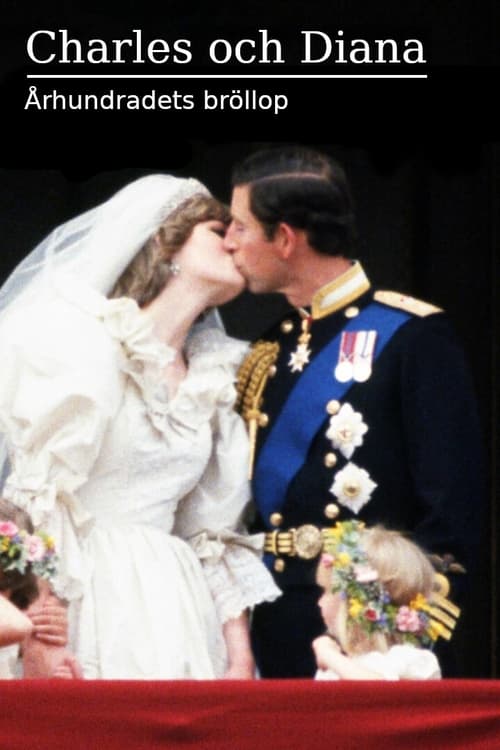
The wedding day arrives, and the grandeur of the event is palpable. The camera captures the opulence of St. Paul's Cathedral, filled with flowers and adorned with royal insignia. As Charles and Diana exchange vows, the audience witnesses the smiles and cheers from the crowd, but beneath the surface, tension simmers. Charles's internal conflict is evident; he glances nervously at the crowd, aware of the expectations that weigh heavily on him.
After the ceremony, the couple embarks on a carriage ride through the streets of London, greeted by thousands of adoring fans. Diana, dressed in her iconic wedding gown, radiates joy, yet her eyes betray a flicker of uncertainty. She waves to the crowd, but her smile feels forced, hinting at the internal struggle she faces. Charles, on the other hand, appears more reserved, his thoughts seemingly elsewhere, reflecting his ongoing emotional attachment to Camilla.
As the couple settles into their new life, the film shifts to scenes of their royal duties. Diana is shown engaging with the public, her warmth and compassion shining through, while Charles is often depicted in meetings and discussions, burdened by the responsibilities of his title. The contrast between their public personas and private realities becomes increasingly stark. Diana's loneliness grows as she realizes that her husband is emotionally unavailable, preoccupied with his royal obligations and his lingering feelings for Camilla.
In a pivotal moment, Diana confronts Charles about their relationship. The scene is charged with emotion as she expresses her feelings of isolation and her desire for a genuine connection. Charles, caught off guard, struggles to articulate his feelings, revealing his own internal conflict. The conversation is fraught with tension, and it becomes clear that their marriage is built on a shaky foundation.
The film concludes with a montage of their lives post-wedding, interspersed with news clips and public appearances. Diana's increasing popularity contrasts sharply with Charles's stoic demeanor. The audience witnesses the gradual unraveling of their relationship, foreshadowing the challenges that lie ahead. The final shot lingers on Diana, her expression a mix of hope and despair, as she gazes out of a window, symbolizing her longing for love and acceptance in a world that feels increasingly isolating.
As the credits roll, viewers are left with a sense of the complexities of royal life and the personal sacrifices made by both Charles and Diana. Charles remains bound by duty, while Diana's journey toward self-discovery and independence is just beginning, setting the stage for the tumultuous events that will follow in their lives.
Is there a post-credit scene?
The movie "Charles and Di: The Truth Behind Their Wedding" does not feature a post-credit scene. The film concludes its narrative without any additional scenes or content after the credits roll. The focus remains on the events leading up to the wedding of Prince Charles and Lady Diana Spencer, exploring the complexities of their relationship and the pressures they faced from the royal family and the public. The ending encapsulates the emotional turmoil and the contrasting expectations surrounding their union, leaving the audience with a poignant reflection on their story.
What were the main reasons for the tension between Charles and Diana leading up to their wedding?
The tension between Charles and Diana leading up to their wedding stemmed from several factors, including Charles's ongoing feelings for Camilla Parker Bowles, which created an emotional distance between him and Diana. Diana, who was young and inexperienced, struggled with the pressures of royal life and the expectations placed upon her. Additionally, the intense media scrutiny and public interest added to the stress of their relationship, causing Diana to feel isolated and unsupported.
How did the royal family react to Diana's personality and her approach to royal duties?
The royal family had mixed reactions to Diana's personality and her approach to royal duties. While some members appreciated her charm and ability to connect with the public, others were concerned about her emotional vulnerability and her tendency to break from traditional royal protocols. Diana's modern approach, including her willingness to engage with the public and address social issues, was both refreshing and alarming to the more conservative members of the royal family.
What role did the media play in shaping the public perception of Charles and Diana's relationship?
The media played a significant role in shaping the public perception of Charles and Diana's relationship. From the moment their engagement was announced, the press was relentless in covering their every move, often sensationalizing their struggles and personal issues. This constant scrutiny not only affected their relationship but also contributed to Diana's feelings of inadequacy and isolation, as she felt she was constantly being judged by the public and the media.
What were some of the key moments during the wedding planning that highlighted the differences between Charles and Diana?
Key moments during the wedding planning that highlighted the differences between Charles and Diana included their contrasting views on the ceremony's scale and public nature. Charles, who was more traditional, wanted a royal wedding that adhered to established customs, while Diana, who was more idealistic, envisioned a more personal and intimate celebration. Their disagreements over guest lists, the wedding dress, and the overall tone of the event showcased the growing rift between their expectations and desires.
How did Diana's relationship with her family influence her feelings about the wedding?
Diana's relationship with her family significantly influenced her feelings about the wedding. Coming from a family with a history of royal connections, she felt both pride and pressure to uphold family traditions. However, her strained relationship with her parents, particularly after their divorce, left her feeling unsupported and anxious about the marriage. This familial tension contributed to her insecurities and fears about entering into a high-profile royal life, amplifying her emotional turmoil as the wedding approached.
Is this family friendly?
"Charles and Di: The Truth Behind Their Wedding" explores the complex and often tumultuous relationship between Prince Charles and Lady Diana Spencer leading up to their wedding. While the film primarily focuses on their romance and the pressures of royal life, there are several themes and scenes that may be considered objectionable or upsetting for children or sensitive viewers.
-
Emotional Turmoil: The film delves into the emotional struggles of both Charles and Diana, including feelings of isolation, anxiety, and pressure from the royal family. These themes may be heavy for younger audiences.
-
Family Dynamics: There are scenes that depict the strained relationships within the royal family, including moments of conflict and disappointment, which could be distressing for some viewers.
-
Public Scrutiny: The intense media scrutiny and public pressure faced by Charles and Diana are portrayed, highlighting the challenges of living in the public eye. This may be unsettling for those sensitive to themes of bullying or invasion of privacy.
-
Romantic Tension: The film addresses the complexities of their relationship, including infidelity and emotional betrayal, which may not be suitable for younger viewers.
-
Historical Context: The backdrop of the royal wedding includes references to societal expectations and the weight of tradition, which may be difficult for some to process.
Overall, while the film is not overtly graphic or violent, its emotional depth and mature themes may warrant caution for younger audiences or those who are sensitive to such topics.









