




Popular
How does the character of Javier evolve throughout the series?
How do the relationships between the characters develop over the course of the series?
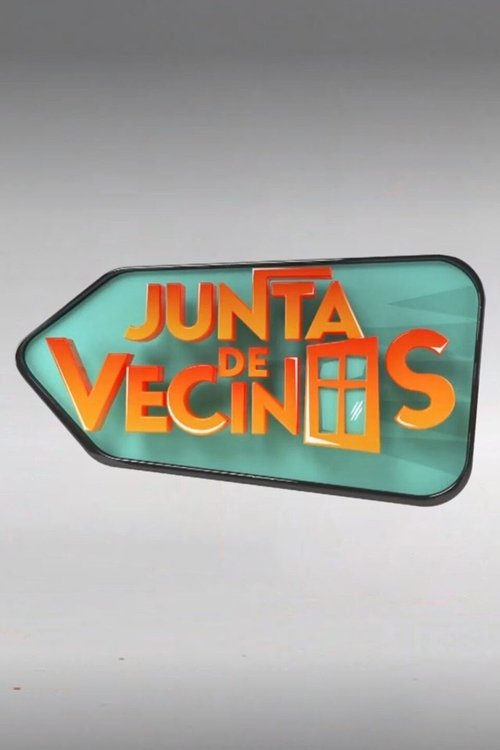
What are the main conflicts between the residents of the neighborhood in Junta de Vecinos?
What role does the character of Patricia play in the dynamics of the neighborhood?
What specific events trigger major turning points in the story?
Should I watch it?
Ask Your Own Question

What is the plot?
In the neighborhood of La Colina, a group of residents, led by the determined and charismatic Ana, gathers to discuss the issues plaguing their community. The meeting is tense, as various personalities clash over differing opinions on how to address the problems, including crime and neglect. Ana's passion for improving their living conditions resonates with many, but others, like the skeptical and cynical Javier, express doubt about the effectiveness of their efforts.
As the residents begin to organize themselves into committees, Ana proposes a community event to foster unity and raise awareness about their issues. The idea is met with mixed reactions, but ultimately, the group decides to move forward. They plan a neighborhood fair, which will serve as both a fundraiser and a way to engage the community. Ana's enthusiasm is infectious, and she works tirelessly to rally support, while Javier remains a thorn in her side, often questioning her motives and capabilities.
In the lead-up to the fair, tensions rise as personal conflicts among the residents come to the forefront. A rivalry between two families escalates, leading to a public confrontation that threatens to derail the event. Ana steps in to mediate, showcasing her leadership skills, but the incident leaves her feeling overwhelmed and doubting her ability to bring the community together. Meanwhile, Javier begins to see the potential in Ana's vision, though he struggles with his own insecurities and past failures.
The day of the fair arrives, and the atmosphere is electric with excitement and anticipation. Residents set up booths, games, and food stalls, showcasing their talents and cultures. However, as the event progresses, unexpected challenges arise, including a sudden rainstorm that threatens to ruin everything. Ana, undeterred, rallies the community to adapt and move the festivities indoors. This moment becomes a turning point, as residents come together to support one another, reinforcing their bonds.
As the fair continues, a shocking revelation comes to light: a local developer has plans to buy out the neighborhood and demolish their homes to build luxury apartments. This news sends shockwaves through the community, igniting anger and fear among the residents. Ana takes charge, organizing an emergency meeting to strategize their response. Javier, who has been skeptical of Ana's leadership, steps up to support her, realizing that their shared goal of saving their homes transcends their differences.
In the following weeks, the residents unite to fight against the developer's plans. They gather signatures for a petition, hold protests, and reach out to local media to raise awareness. Ana's leadership shines as she navigates the complexities of community organizing, while Javier becomes a key ally, using his connections to help amplify their message. The emotional stakes rise as families express their fears of losing their homes, and Ana becomes increasingly determined to protect her community.
As the battle against the developer intensifies, the residents face setbacks, including legal challenges and attempts to intimidate them into backing down. Ana and Javier work closely together, their relationship evolving from adversaries to partners in the fight. They share personal stories, revealing their vulnerabilities and deepening their bond. This newfound camaraderie strengthens their resolve, and they become symbols of hope for the community.
In a climactic showdown, the residents confront the developer at a city council meeting. Tensions run high as they present their case, sharing heartfelt testimonies about what their homes mean to them. Ana delivers a passionate speech that resonates with both the council members and the audience, highlighting the importance of community and the right to a home. The developer's representatives attempt to dismiss their concerns, but the residents stand firm, united in their cause.
After a tense deliberation, the city council votes against the developer's proposal, a victory that sends waves of relief and joy through the community. The residents celebrate their hard-fought win, but the experience has changed them. Ana reflects on the journey, realizing that the fight for their neighborhood has forged lasting connections among the residents. Javier, now fully supportive of Ana's leadership, expresses his admiration for her dedication and resilience.
In the aftermath, the community begins to heal and rebuild, focusing on strengthening their ties and continuing to address the issues that brought them together in the first place. Ana and Javier, now close friends, discuss future plans for the neighborhood, hinting at the possibility of a deeper relationship. The series concludes with a sense of hope and determination, as the residents of La Colina look forward to a brighter future together.








What is the ending?
In the ending of "Junta de Vecinos," the community comes together to confront the challenges they face, ultimately leading to a resolution that emphasizes unity and resilience. Key characters find closure in their personal arcs, and the neighborhood solidifies its bonds, showcasing the power of collective action.
As the final episodes unfold, the tension in the neighborhood escalates. The residents, led by the determined and passionate character of Ana, gather for a crucial meeting in the community center. The atmosphere is thick with anticipation and anxiety as they discuss the impending threat of a corporate development project that threatens their homes. Ana, fueled by her desire to protect her family and neighbors, passionately argues for their right to stand against the developers.
Scene transitions to a montage of the residents preparing for a protest. Each character is shown in their element: Maria, the elderly woman with a wealth of wisdom, shares stories of the neighborhood's history, inspiring the younger residents. Meanwhile, Javier, a single father, rallies the youth, instilling a sense of pride and purpose in them. The camera captures the determination in their eyes, reflecting their commitment to fight for their community.
The day of the protest arrives, and the streets are filled with colorful banners and chanting voices. The residents march together, a united front against the looming threat. The scene is vibrant, with close-ups of faces filled with hope and fear, showcasing the emotional stakes involved. As they reach the site of the proposed development, tensions rise when they encounter security personnel hired by the developers.
In a pivotal moment, Ana steps forward, her voice steady yet filled with emotion, as she addresses the crowd and the security team. She speaks of the importance of community, family, and the right to their homes. The crowd responds with cheers, their spirits lifted by her words. This moment of solidarity is palpable, and the camera pans over the diverse faces of the residents, each reflecting a mix of determination and vulnerability.
As the confrontation escalates, the police arrive, creating a tense standoff. However, instead of violence, the residents hold their ground peacefully, chanting for their rights. The scene is charged with emotion, highlighting the stakes of their struggle. In a surprising turn, a sympathetic officer steps forward, recognizing the legitimacy of their cause and urging the developers to reconsider.
The climax of the episode sees the developers, faced with the unwavering resolve of the community and the unexpected support from law enforcement, decide to withdraw their plans. The residents erupt in celebration, tears of relief and joy streaming down their faces. Ana, overwhelmed with emotion, embraces her neighbors, solidifying the bonds that have formed through their shared struggle.
In the final scenes, the neighborhood comes together for a celebration in the park. Laughter and music fill the air as families gather, showcasing the vibrant community spirit. Each character reflects on their journey: Ana finds a renewed sense of purpose, Javier feels a deep connection to his neighbors, and Maria shares her wisdom with the younger generation, ensuring the legacy of their fight continues.
The series concludes with a poignant shot of the neighborhood, now a symbol of resilience and unity. The camera slowly pulls away, capturing the essence of what it means to stand together, leaving viewers with a sense of hope and the understanding that community can triumph over adversity.
Is there a post-credit scene?
In the 2021 series "Junta de Vecinos," there is indeed a post-credit scene that adds a humorous twist to the narrative. After the main credits roll, the scene opens in the neighborhood's community center, where several residents are gathered for a meeting. The atmosphere is light-hearted, filled with laughter and chatter as they discuss the latest neighborhood issues.
Suddenly, the camera pans to a corner where a group of children is seen playing a prank on one of the more serious residents, who is known for his strict demeanor. The children, giggling, have set up a small bucket of water above a door, and as the resident walks in, the bucket tips, drenching him. The scene captures the shock on his face, quickly turning to a reluctant smile as the other residents burst into laughter.
This moment encapsulates the show's themes of community and camaraderie, highlighting how even the most serious situations can be lightened by the bonds formed among neighbors. The scene ends with the resident shaking his head, a smile creeping onto his face, suggesting that despite the challenges they face, the community spirit remains strong and resilient.
How does the character of Javier evolve throughout the series?
Javier starts as a reluctant participant in neighborhood affairs, often trying to avoid conflict. However, as the series progresses, he becomes more involved, driven by a desire to protect his family and improve the community. His internal struggle between wanting peace and the need to stand up for what is right showcases his growth from a passive observer to an active leader.
How do the relationships between the characters develop over the course of the series?
Relationships in Junta de Vecinos are complex and evolve significantly. For example, the friendship between Javier and his neighbor, Ana, deepens as they face challenges together, leading to moments of vulnerability and support. Conversely, rivalries, such as that between Patricia and Ana, intensify, showcasing how personal ambitions can strain community ties. These evolving dynamics highlight the characters' growth and the impact of their interactions.
What are the main conflicts between the residents of the neighborhood in Junta de Vecinos?
The main conflicts arise from differing personalities and interests among the residents. For instance, the ambitious and controlling character, Patricia, often clashes with the more laid-back and community-oriented characters like Javier. Tensions escalate over issues such as property disputes, neighborhood safety, and differing opinions on community events, leading to heated confrontations and alliances.
What role does the character of Patricia play in the dynamics of the neighborhood?
Patricia serves as both a catalyst for conflict and a source of motivation for other characters. Her ambitious nature often leads her to take charge of community projects, but her domineering attitude creates friction with other residents. Her desire for control and recognition drives many plot points, as she navigates alliances and rivalries, revealing her vulnerabilities and insecurities.
What specific events trigger major turning points in the story?
Key events that trigger turning points include the announcement of a new development project that threatens the neighborhood, leading to protests and community meetings. Another significant moment is when a crime occurs in the area, forcing residents to confront their fears and prejudices. These events not only escalate tensions but also prompt characters to reveal their true motivations and forge unexpected alliances.
Is this family friendly?
"Junta de Vecinos," produced in 2021, is a comedic drama that explores the dynamics of a neighborhood association and the various characters that inhabit it. While the show is generally light-hearted and focuses on community and relationships, there are some elements that may be considered objectionable or upsetting for children or sensitive viewers.
-
Conflict and Arguments: The show features various conflicts between neighbors, which can lead to heated arguments. These scenes may include raised voices and emotional confrontations that could be distressing for younger viewers.
-
Romantic Relationships: There are subplots involving romantic relationships that may include themes of infidelity or complicated love triangles, which might not be suitable for all children.
-
Social Issues: The series touches on social issues such as class differences, discrimination, and personal struggles, which may be heavy topics for younger audiences to fully grasp.
-
Mild Language: There are instances of mild profanity and insults exchanged among characters, which could be inappropriate for younger viewers.
-
Emotional Turmoil: Characters experience personal crises, including feelings of betrayal, jealousy, and insecurity, which may evoke strong emotions and could be upsetting for sensitive viewers.
Overall, while "Junta de Vecinos" is primarily a comedy, it does contain elements that may require parental guidance for younger audiences.