
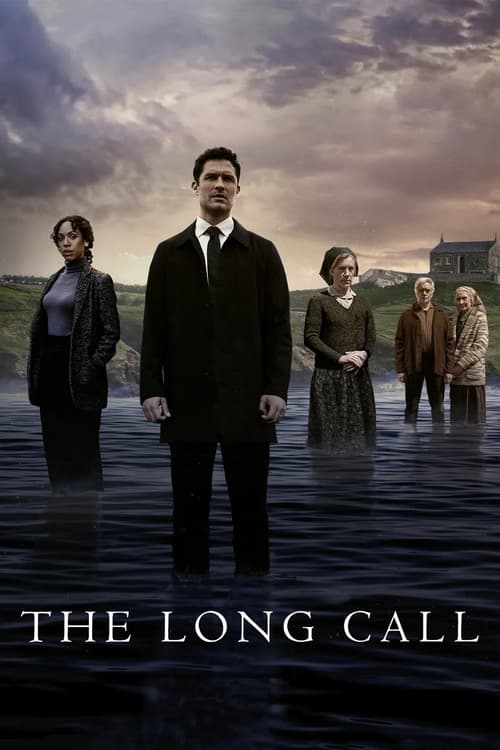



















Popular
What is the significance of the character Matthew Venn's background in the story?
How does the murder of the local man impact the community and Matthew Venn personally?
What role does the character of Jonathan play in Matthew's life and the investigation?
How does the setting of North Devon influence the story's atmosphere and character interactions?
What are the key themes explored through the character dynamics between Matthew and the Barum Brethren?
Should I watch it?
Ask Your Own Question

What is the plot?
The story begins with Detective Matthew Venn attending his father's funeral in a small coastal town in North Devon. Matthew, who has distanced himself from his strict evangelical family, feels the weight of their disapproval as he stands apart from them. The atmosphere is tense, and Matthew's internal conflict is palpable as he grapples with his estrangement from his family and the expectations placed upon him.
After the funeral, Matthew returns to his home with his husband, Jonathan. Their relationship is loving but strained due to Matthew's unresolved issues with his family. As they settle into their life together, Matthew receives a call about a murder that has taken place in the area. The victim is a local man named Simon, who was found dead on the beach. Matthew is assigned to lead the investigation, which he approaches with a mix of determination and trepidation.
As Matthew begins his investigation, he interviews various members of the community, including Simon's friends and family. He learns that Simon was a troubled man with a complicated past, and there are hints of dark secrets within the community. Matthew's inquiries lead him to the local evangelical church, where he encounters his estranged family, including his mother, who is still deeply involved in the church. The tension between Matthew and his family escalates as they express their disapproval of his lifestyle and career choices.
During the investigation, Matthew discovers that Simon had been involved in a controversial relationship with a young woman named Leah, who is also connected to the church. Leah becomes a key figure in the case, and Matthew's interviews with her reveal more about Simon's life and the struggles he faced. As Matthew delves deeper, he uncovers a web of lies and deceit that complicates the investigation.
As the investigation progresses, Matthew faces increasing pressure from both the community and his family. He struggles with his own feelings of inadequacy and the burden of his family's expectations. The emotional toll of the case weighs heavily on him, and he begins to question his own beliefs and values. This internal conflict is mirrored in his interactions with Jonathan, who tries to support him but feels the strain of Matthew's unresolved issues.
A breakthrough in the case occurs when Matthew discovers a connection between Simon's murder and a series of events that took place at the church. He learns that Simon had been involved in a confrontation with a church member, which raises suspicions about the motives behind the murder. As Matthew pieces together the evidence, he realizes that the community is hiding more than just secrets; they are protecting someone.
The investigation takes a dramatic turn when Matthew confronts a key suspect, leading to a tense standoff. The suspect reveals critical information about Simon's past and the circumstances surrounding his death. This confrontation is fraught with emotion, as Matthew grapples with the implications of what he has learned and the impact it will have on his relationship with his family and the community.
As the climax of the story unfolds, Matthew uncovers the true identity of the murderer, revealing a shocking twist that ties together the various threads of the investigation. The murderer is someone close to Simon, and the motive is rooted in jealousy and betrayal. This revelation forces Matthew to confront not only the darkness within the community but also the darkness within himself.
In the aftermath of the case, Matthew must come to terms with the choices he has made and the relationships he has strained. The resolution of the murder investigation brings a sense of closure, but it also leaves Matthew with lingering questions about his identity and his place within his family and the community. The emotional weight of the case lingers as he and Jonathan navigate the complexities of their relationship, ultimately leading to a moment of reconciliation and understanding.
The series concludes with Matthew standing at the edge of the beach, reflecting on the events that have transpired. The long call of the sea serves as a metaphor for his journey, as he contemplates the future and the possibility of healing both within himself and with his family.
More TV Shows Like This
Browse All TV Shows →







What is the ending?
In the ending of "The Long Call," Detective Matthew Venn confronts the truth behind the murder of his father, leading to a resolution of the case. The investigation reveals deep-seated family secrets and the complexities of faith and identity. Matthew's relationship with his husband, Jonathan, is tested but ultimately strengthened as they navigate the aftermath of the revelations. The story concludes with Matthew finding a sense of closure, both personally and professionally.
As the final episode unfolds, the tension in the air is palpable. Detective Matthew Venn stands at the edge of the coastal cliffs, the wind whipping around him, mirroring the turmoil within. He has just uncovered the truth about his father's murder, a revelation that shakes him to his core. The scene is set against the backdrop of the rugged North Devon coastline, the waves crashing violently against the rocks below, symbolizing the emotional storm brewing inside him.
In the following scene, Matthew returns to the small community where he grew up, a place filled with memories both cherished and painful. He is met with wary glances from the locals, their whispers echoing the secrets that have long been buried. Matthew's internal conflict is evident; he grapples with his past, his estrangement from his family, and the weight of his father's legacy. The camera captures the flicker of doubt in his eyes as he navigates the familiar yet alien landscape.
As the investigation reaches its climax, Matthew confronts the key suspects, piecing together the fragmented truths that have emerged. Each encounter is charged with emotion, revealing the characters' motivations and fears. The tension escalates when Matthew faces the person responsible for the murder, a confrontation that is both cathartic and harrowing. The dialogue is sharp, filled with accusations and revelations, as Matthew demands answers that have eluded him for so long.
In a pivotal moment, the truth about his father's life and the circumstances surrounding his death come to light. The revelation is not just about the murder; it is a deep dive into the complexities of familial relationships, faith, and the struggle for acceptance. Matthew's face reflects a mix of anger, sorrow, and a desperate need for closure. The emotional weight of the moment is palpable, as he realizes that understanding his father's choices is key to reconciling his own identity.
Meanwhile, Jonathan, Matthew's husband, stands by his side, offering support yet feeling the strain of the unfolding drama. Their relationship is tested as they navigate the fallout from the investigation. Jonathan's concern for Matthew's well-being is evident, and he struggles with his own feelings of helplessness. The couple's bond is strained but ultimately reinforced as they face the truth together, showcasing the strength of their love amidst chaos.
As the episode draws to a close, Matthew finds himself back at the cliffs, a place of reflection. The sun begins to set, casting a warm glow over the landscape, symbolizing hope and new beginnings. He takes a deep breath, feeling a sense of release as he comes to terms with his father's past and his own future. The camera lingers on his face, capturing the moment of acceptance and the dawning realization that he can move forward.
In the final scenes, the community begins to heal, albeit slowly. Matthew's role as a detective has transformed him, and he is now seen not just as an outsider but as someone who has faced the darkness and emerged stronger. The townspeople, once filled with suspicion, begin to acknowledge his efforts, hinting at a potential reconciliation.
The series concludes with Matthew and Jonathan walking hand in hand along the beach, the waves gently lapping at their feet. Their future is uncertain, but they face it together, embodying resilience and the promise of new beginnings. The camera pulls back, revealing the vastness of the ocean, a metaphor for the journey ahead, filled with both challenges and hope. The screen fades to black, leaving the audience with a sense of closure and the enduring power of love and acceptance.
Is there a post-credit scene?
The Long Call does not feature a post-credit scene. The series concludes its narrative without any additional scenes after the credits roll, focusing instead on wrapping up the storylines and character arcs within the main episodes. The final moments of the show emphasize the resolution of the central mystery and the emotional journeys of the characters, particularly Detective Matthew Venn, as he confronts his past and seeks closure. The absence of a post-credit scene allows the audience to reflect on the themes of family, acceptance, and the complexities of human relationships that are woven throughout the series.
What is the significance of the character Matthew Venn's background in the story?
Matthew Venn, the protagonist, is a gay man who has returned to his hometown after the death of his father. His background as a member of a strict religious community, the Barum Brethren, plays a crucial role in the narrative. It creates tension between his past and present, as he grapples with his family's expectations and his own identity. This internal conflict is further complicated by the murder investigation he leads, which forces him to confront his past relationships and the community he left behind.
How does the murder of the local man impact the community and Matthew Venn personally?
The murder of the local man, who is found dead on the beach, sends shockwaves through the tight-knit community. For Matthew, it is not just a professional challenge as a detective; it is deeply personal. The victim's connections to his past and the community's reaction to the crime force Matthew to navigate old wounds and prejudices, particularly regarding his sexuality and his estrangement from the Barum Brethren. The investigation reveals hidden secrets and long-standing tensions within the community, impacting Matthew's relationships with both his colleagues and his family.
What role does the character of Jonathan play in Matthew's life and the investigation?
Jonathan is Matthew's husband, and his presence in the story serves as a grounding force for Matthew amidst the chaos of the investigation. He represents a safe haven for Matthew, providing emotional support as Matthew confronts the ghosts of his past. However, Jonathan also faces challenges as he becomes entangled in the community's dynamics and the fallout from the murder. His relationship with Matthew is tested as they navigate the complexities of trust, loyalty, and the impact of the investigation on their lives.
How does the setting of North Devon influence the story's atmosphere and character interactions?
The setting of North Devon, with its rugged coastline and picturesque yet isolating landscapes, plays a significant role in shaping the story's atmosphere. The natural beauty contrasts sharply with the dark themes of the murder investigation. The community's close-knit nature is emphasized by the physical proximity of the characters, which heightens the tension and sense of claustrophobia. The setting also reflects Matthew's internal struggles, as he feels both drawn to and repelled by the place that holds his past.
What are the key themes explored through the character dynamics between Matthew and the Barum Brethren?
The dynamics between Matthew and the Barum Brethren highlight themes of acceptance, identity, and the struggle against societal norms. As Matthew investigates the murder, he is forced to confront the rigid beliefs of his former community, which often clash with his own values and lifestyle. The interactions with former friends and family members reveal the deep-seated prejudices and fears that exist within the community, as well as Matthew's desire for reconciliation and understanding, despite the pain of his past.
Is this family friendly?
"The Long Call," produced in 2021, is a crime drama that delves into themes of murder, family dynamics, and personal trauma. While it is a compelling narrative, it may not be considered family-friendly for younger audiences or sensitive viewers due to several potentially objectionable aspects:
-
Murder Investigation: The central plot revolves around a murder, which includes discussions of death and the investigation process. This may be unsettling for children.
-
Emotional Trauma: Characters grapple with deep emotional issues, including grief, guilt, and familial conflict, which may be intense for younger viewers to process.
-
Homophobia and Prejudice: The show touches on themes of discrimination and societal judgment, particularly regarding LGBTQ+ issues, which may be distressing for some.
-
Violent Imagery: There are scenes that depict the aftermath of violence, which could be graphic or disturbing.
-
Mental Health Struggles: Characters face mental health challenges, including anxiety and depression, which may resonate deeply and evoke strong emotions.
-
Tense and Suspenseful Moments: The atmosphere is often tense, with suspenseful scenes that could be frightening for younger audiences.
Overall, while "The Long Call" offers a rich narrative and character exploration, its themes and content may not be suitable for children or those sensitive to such topics.








