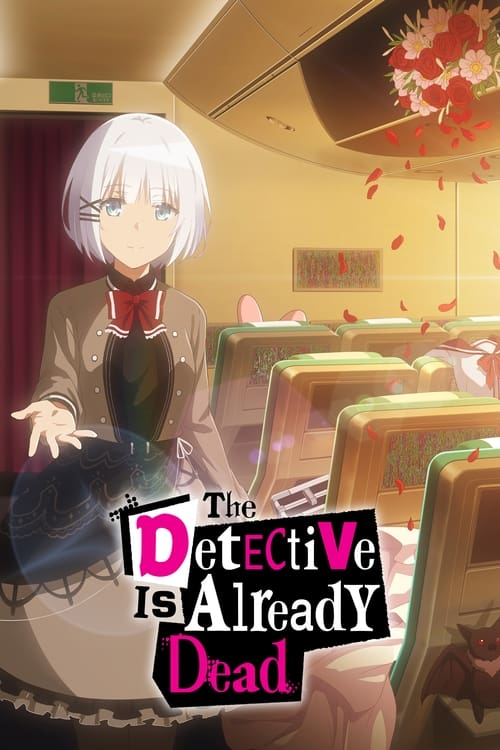




Popular
What challenges does Nefertine face in her quest for power in Episode 16?
How does Nefertine's relationship with her mother evolve in this episode?
What role does the Nile River play in the events of Episode 16?
What internal conflicts does Nefertine experience regarding her leadership style?
How does the episode depict the theme of betrayal among the characters?
Should I watch it?
Ask Your Own Question

What is the plot?
In Episode 16 of "Nefertine on the Nile," the episode opens with Nefertine standing on the banks of the Nile, gazing at the water as the sun rises. She is deep in thought, reflecting on her recent struggles with her identity and the expectations placed upon her as a royal. The camera captures her expression of determination mixed with uncertainty, setting the tone for her internal conflict.
The scene shifts to the palace, where Pharaoh Akhenaten is in a heated discussion with his advisors about the growing unrest among the people. They express concerns over the new religious reforms he is implementing, which are causing division. Akhenaten, confident in his vision, dismisses their worries, insisting that change is necessary for the future of Egypt. His unwavering belief in his decisions reveals his ambition but also hints at his isolation from those around him.
Meanwhile, Nefertine receives a visit from her childhood friend, Kiya, who brings news of a secret meeting among the nobles plotting against Akhenaten. Kiya's eyes are wide with fear as she explains the potential consequences of the nobles' actions. Nefertine feels torn; she understands the nobles' grievances but is also loyal to her husband. This moment highlights her internal struggle between her duty to her family and her empathy for the people.
As the day progresses, Nefertine decides to confront Akhenaten about the unrest. In a tense scene, she approaches him in the throne room, where he is surrounded by his advisors. Nefertine speaks passionately about the people's suffering and urges him to reconsider his approach. Akhenaten, initially dismissive, becomes defensive, arguing that true leadership requires sacrifice. Their argument escalates, revealing the cracks in their relationship and the growing rift between their ideals.
Later, Nefertine seeks solace in the gardens of the palace, where she encounters a group of women from the village who have come to seek her help. They share stories of their struggles, and Nefertine is moved by their plight. This encounter reignites her desire to be a voice for the voiceless, and she vows to find a way to bridge the gap between the palace and the people.
In a pivotal moment, Nefertine decides to attend the secret meeting of the nobles, disguised to avoid detection. The atmosphere is tense as she listens to their plans to overthrow Akhenaten. The nobles express their frustrations and discuss potential allies among the military. Nefertine's heart races as she realizes the gravity of the situation; she knows she must act quickly to prevent bloodshed.
As the meeting concludes, Nefertine slips away unnoticed and rushes back to the palace. She confronts Akhenaten again, this time with the knowledge of the impending coup. She pleads with him to take action to address the people's concerns before it's too late. Akhenaten, now visibly shaken, begins to understand the seriousness of the threat but remains stubborn about his reforms.
The episode reaches a climax when Nefertine decides to take matters into her own hands. She organizes a gathering in the village, inviting both the nobles and the common people to discuss their grievances openly. The scene is filled with tension as both sides arrive, unsure of what to expect. Nefertine stands at the center, her voice steady as she calls for unity and understanding.
As the discussions unfold, tempers flare, and accusations are thrown. Nefertine skillfully mediates, urging both sides to listen to each other. Just as it seems a breakthrough might occur, a faction of nobles, led by a particularly aggressive nobleman, attempts to incite violence. Nefertine steps in front of them, her heart pounding, and demands that they put down their weapons. Her bravery momentarily stuns the crowd into silence.
The episode concludes with a cliffhanger as the nobleman, furious at being challenged, draws his sword against Nefertine. The screen fades to black just as the tension reaches its peak, leaving viewers on the edge of their seats, eager to see how Nefertine will navigate this dangerous confrontation.









What is the ending?
In the ending of "Nefertine on the Nile," Season 1, Episode 16, Nefertine faces a critical choice that will determine her future and the fate of her kingdom. As tensions rise between rival factions, she must navigate political intrigue and personal loyalties. Ultimately, she makes a bold decision that unites her people, but it comes at a personal cost. The episode concludes with Nefertine standing resolute, embodying the strength of her lineage, while the future of her kingdom hangs in the balance.
As the episode unfolds, the scene opens in the grand hall of the palace, where Nefertine stands before her council, her expression a mix of determination and anxiety. The air is thick with tension as advisors argue over the best course of action to counter the growing threat from a neighboring kingdom. Nefertine, feeling the weight of her ancestors' expectations, listens intently, her heart racing as she contemplates the implications of their decisions.
The camera shifts to her closest ally, Amun, who stands by her side, his brow furrowed with concern. He knows that Nefertine is torn between her duty to her people and her desire for peace. As the debate escalates, Nefertine finally raises her hand, silencing the room. Her voice, though steady, betrays her inner turmoil as she proposes a daring alliance with a former enemy, believing it to be the only way to secure lasting peace.
The scene transitions to the bustling marketplace, where Nefertine walks among her people, her heart heavy with the knowledge of the risks involved. She observes the daily lives of her subjects, their laughter and struggles echoing in her mind. This moment of connection fuels her resolve, reminding her of the stakes at play. She exchanges glances with a group of children playing nearby, their innocence a stark contrast to the political machinations surrounding her.
Back in the palace, Nefertine convenes a secret meeting with the leader of the rival faction. The atmosphere is charged with mistrust, and both leaders are acutely aware of the precariousness of their situation. As they negotiate terms, Nefertine's fierce spirit shines through, her passion for her people evident in every word. The tension is palpable, and the stakes are high, but she remains steadfast, driven by her vision of a united kingdom.
As the episode nears its climax, a sudden betrayal shakes the foundation of Nefertine's plans. A trusted advisor reveals their true allegiance, leading to a confrontation that threatens to unravel everything she has worked for. In a moment of desperation, Nefertine musters her courage and confronts the traitor, her emotions boiling over as she fights not just for her kingdom, but for her very identity.
The final scenes depict the aftermath of the confrontation. Nefertine stands alone on the palace balcony, gazing out over the Nile as the sun sets, casting a golden hue over the landscape. The weight of her choices hangs heavily on her shoulders, but there is a newfound strength in her posture. She has made sacrifices, and though the path ahead is uncertain, she is resolute in her commitment to her people.
In the closing moments, the camera pans out, revealing the kingdom in the distance, a symbol of hope and resilience. Nefertine's fate is intertwined with that of her people, and as the screen fades to black, the audience is left with a sense of anticipation for what lies ahead. Each character's journey has culminated in this pivotal moment, and while challenges remain, Nefertine's unwavering spirit promises a future filled with possibility.
Is there a post-credit scene?
In "Episode 16" of "Nefertine on the Nile," there is indeed a post-credit scene that adds an intriguing layer to the narrative.
As the credits roll, the screen fades to black before illuminating a dimly lit chamber adorned with ancient hieroglyphs and flickering torches. The camera pans slowly, revealing a figure cloaked in shadows, their face obscured. The atmosphere is thick with tension, and the sound of dripping water echoes in the background, enhancing the sense of mystery.
The figure steps forward into the light, revealing a familiar face--one of Nefertine's trusted advisors, who had been presumed loyal. Their expression is one of deep contemplation, and they hold a small, intricately carved amulet in their hand, glinting ominously in the torchlight.
With a heavy sigh, the advisor speaks softly to themselves, reflecting on the recent events and the precarious state of the kingdom. "Trust is a fragile thing," they murmur, their voice laced with a mix of regret and determination. The camera zooms in on the amulet, which bears the symbol of a rival faction, hinting at a potential betrayal or alliance that could shift the balance of power in the upcoming episodes.
As the scene concludes, the advisor places the amulet on a stone pedestal, and the screen fades to black once more, leaving viewers with a sense of foreboding and anticipation for the conflicts that lie ahead. This post-credit moment effectively sets the stage for future intrigue, emphasizing themes of loyalty, deception, and the ever-present danger that looms over Nefertine and her reign.
What challenges does Nefertine face in her quest for power in Episode 16?
In Episode 16, Nefertine faces significant challenges as she navigates the treacherous political landscape of the Nile. She must confront rival factions that threaten her influence, particularly the scheming High Priest who seeks to undermine her authority. Nefertine's determination is tested as she balances her ambitions with the need to maintain alliances, leading to tense confrontations and strategic maneuvering.
How does Nefertine's relationship with her mother evolve in this episode?
In this episode, Nefertine's relationship with her mother deepens as they confront their shared past and the expectations placed upon them. Nefertine seeks her mother's guidance but also struggles with feelings of inadequacy. Their emotional exchanges reveal a complex bond, filled with both love and tension, as they navigate the pressures of their royal lineage.
What role does the Nile River play in the events of Episode 16?
The Nile River serves as a vital backdrop in Episode 16, symbolizing both life and danger. Key scenes unfold along its banks, where Nefertine meets with allies and plots her next moves. The river's unpredictable nature mirrors the tumultuous events of the episode, as it becomes a site for both celebration and conflict, highlighting the stakes of Nefertine's ambitions.
What internal conflicts does Nefertine experience regarding her leadership style?
Throughout Episode 16, Nefertine grapples with her leadership style, torn between being a compassionate ruler and a ruthless strategist. She reflects on her past decisions and the consequences they have had on her people. This internal struggle is portrayed through her interactions with advisors and her moments of solitude, where she questions whether her approach will ultimately secure her position or lead to her downfall.
How does the episode depict the theme of betrayal among the characters?
In Episode 16, betrayal is a central theme as Nefertine discovers that a trusted advisor has been leaking information to her enemies. The revelation is shocking and leads to a dramatic confrontation, showcasing the emotional turmoil Nefertine experiences as she grapples with feelings of betrayal and the need to protect her reign. The episode captures the tension and mistrust that permeates the court, emphasizing the precarious nature of alliances.
Is this family friendly?
"Nefertine on the Nile," Season 1, Episode 16, contains several elements that may be considered objectionable or upsetting for children or sensitive viewers.
-
Conflict and Tension: The episode features intense interpersonal conflicts that may evoke strong emotions, including anger and betrayal, which could be distressing for younger audiences.
-
Historical Violence: There are references to historical battles and power struggles that may include depictions of violence or the aftermath of conflict, which could be unsettling.
-
Emotional Struggles: Characters experience significant emotional turmoil, including themes of loss, grief, and betrayal, which may resonate deeply and be challenging for sensitive viewers.
-
Cultural Practices: Some cultural rituals or practices depicted may be unfamiliar or uncomfortable for some viewers, depending on their background and understanding of the historical context.
-
Romantic Tensions: There are elements of romantic intrigue and jealousy that may not be suitable for younger audiences, as they explore complex adult relationships.
These aspects may require parental guidance for younger viewers to help contextualize the themes and emotions presented in the episode.