






Popular
What role do the supporting characters play in the protagonist's journey?
What is the significance of the blood type in The Sweet Blood?
How does the relationship between the main character and the vampire evolve throughout the series?
What challenges does the protagonist face in navigating their dual identity?
Who are the main antagonists in The Sweet Blood, and what are their motivations?
Should I watch it?
Ask Your Own Question

What is the plot?
The story begins with a young girl named Kwan, who lives in a small village. She is a bright and curious teenager, but her life takes a dark turn when she discovers that she has a rare blood type that makes her a target for a group of vampires. The villagers are aware of the vampire threat, and there is a sense of fear and paranoia that permeates the community. Kwan's family is protective of her, but they also struggle with the reality of the situation.
As Kwan navigates her daily life, she begins to experience strange occurrences that hint at her unique abilities. She has heightened senses and an uncanny ability to heal quickly from injuries. This draws the attention of a mysterious figure, a vampire named Jae, who is intrigued by her blood. Jae approaches Kwan under the guise of friendship, but his true intentions are to exploit her blood for his own gain.
Kwan's best friend, Min, becomes suspicious of Jae and warns Kwan to stay away from him. Min's protective instincts kick in, and she tries to keep Kwan safe from the dangers that lurk in the shadows. However, Kwan is drawn to Jae's charm and the allure of the vampire world, which complicates her relationship with Min.
As the story progresses, Kwan learns more about her blood type and its significance. She discovers that it is not only rare but also has the potential to grant immense power to those who consume it. This revelation puts her in even greater danger, as various factions of vampires begin to hunt her down. Kwan's internal struggle intensifies as she grapples with her identity and the implications of her blood.
In a pivotal scene, Kwan is captured by a group of vampires who want to use her blood for their own purposes. They take her to their lair, where she witnesses the brutal reality of vampire life. Kwan's fear turns to determination as she realizes she must escape and protect herself. With the help of Min, who has been searching for her, Kwan manages to break free from her captors in a tense and chaotic sequence. They fight their way out, showcasing Kwan's newfound strength and resilience.
After their escape, Kwan and Min seek refuge in a hidden sanctuary where they meet other survivors who have also been targeted by vampires. Here, Kwan learns about a resistance group that is fighting against the vampire overlords. She feels a sense of belonging for the first time and decides to join the fight, motivated by a desire to protect her loved ones and reclaim her life.
As Kwan trains with the resistance, she develops her abilities further and forms bonds with other members, including a skilled fighter named Hyun. Their relationship deepens, and Kwan finds herself torn between her feelings for Hyun and her complicated connection with Jae, who continues to pursue her. Jae's obsession with Kwan grows, and he becomes increasingly dangerous as he tries to win her over.
In a climactic confrontation, Kwan and the resistance launch an attack on the vampire stronghold. The battle is fierce, with Kwan showcasing her skills and determination. She faces off against Jae, who reveals his true nature and the extent of his powers. The fight is intense, filled with emotional stakes as Kwan struggles with her feelings for him while fighting for her life.
Ultimately, Kwan makes a critical decision to embrace her identity and use her blood as a weapon against the vampires. In a moment of clarity, she realizes that she must sacrifice her connection to Jae to protect her friends and the future of her community. The final showdown culminates in a dramatic clash, where Kwan unleashes her full potential, leading to a decisive victory for the resistance.
In the aftermath, Kwan emerges as a leader within the resistance, having transformed from a frightened girl into a powerful warrior. The village begins to heal, and Kwan's journey of self-discovery continues as she navigates her new role and the complexities of her relationships. The story concludes with a sense of hope, but also the lingering threat of the vampire world, leaving the door open for future challenges.







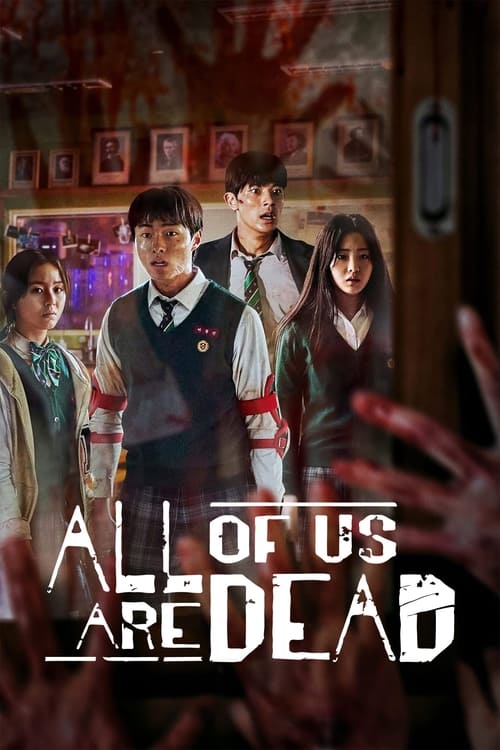

What is the ending?
In the ending of "The Sweet Blood," the main characters face the culmination of their struggles against the oppressive forces that have shaped their lives. The protagonist, a young woman named Kwan, confronts her destiny and the truth about her family's legacy. The series concludes with a dramatic showdown that tests the characters' loyalties and reveals their true natures.
As the final episodes unfold, Kwan, having discovered the dark secrets of her lineage, prepares for a confrontation with the antagonistic forces that threaten her and her loved ones. The tension builds as she gathers her allies, including her close friend and confidant, who has been by her side throughout her journey. They strategize in a dimly lit room, the air thick with anticipation and fear. Kwan's determination is palpable; she is driven not only by a desire to protect her family but also to reclaim her identity and power.
The climax occurs in a shadowy, abandoned warehouse, where Kwan and her allies face off against the antagonists. The atmosphere is charged with adrenaline as the characters engage in a fierce battle. Kwan's internal struggle is evident; she grapples with her fear and the weight of her family's expectations. As the fight intensifies, she taps into her newfound abilities, showcasing her growth and resilience. The choreography of the fight is dynamic, with swift movements and close calls that keep viewers on the edge of their seats.
In a pivotal moment, Kwan confronts the main antagonist, a figure who embodies the oppressive forces of her past. Their confrontation is not just physical but also emotional, as Kwan articulates her pain and anger. The dialogue is sharp, revealing the depth of Kwan's character and her journey toward empowerment. As the battle reaches its peak, Kwan makes a decisive move that ultimately leads to the antagonist's defeat. The moment is both triumphant and cathartic, symbolizing Kwan's reclamation of her identity.
Following the confrontation, the aftermath is filled with a mix of relief and sorrow. Kwan stands amidst the remnants of the battle, her allies surrounding her. There is a moment of silence as they process the events that have transpired. Kwan's friend, who has been a steadfast supporter, expresses pride in her bravery, reinforcing the bond they share. The emotional weight of their journey is evident in their expressions, a blend of exhaustion and hope.
As the series concludes, Kwan reflects on her journey, standing at a crossroads. She has faced her fears and emerged stronger, but the scars of her past remain. The final scenes depict her walking away from the warehouse, the sun rising in the background, symbolizing a new beginning. The fate of her allies is also revealed; they have found their own paths, each carrying the lessons learned from their shared experiences.
In the closing moments, the camera lingers on Kwan's face, capturing a mix of determination and vulnerability. The series ends on a note of hope, suggesting that while the journey has been fraught with challenges, the future holds the promise of healing and self-discovery. The characters have evolved, and their fates are intertwined, leaving viewers with a sense of closure and the possibility of new beginnings.
Is there a post-credit scene?
In "The Sweet Blood," there is no post-credit scene. The series concludes its narrative without any additional scenes after the credits roll. The final moments of the show focus on wrapping up the main character's journey and the resolution of key plot points, leaving viewers with a sense of closure regarding the story and its characters. The absence of a post-credit scene emphasizes the completion of the narrative arc rather than setting up for future developments.
What role do the supporting characters play in the protagonist's journey?
The supporting characters in The Sweet Blood serve various roles that significantly impact the protagonist's journey. Some provide guidance and friendship, helping the protagonist to embrace their identity, while others present obstacles that challenge their beliefs and force them to confront the darker aspects of their world.
What is the significance of the blood type in The Sweet Blood?
In The Sweet Blood, the blood type plays a crucial role as it determines the characters' abilities and their fates. The protagonist, who possesses a rare blood type, is sought after for its unique properties, which can enhance powers and influence the dynamics between the vampire and human characters.
How does the relationship between the main character and the vampire evolve throughout the series?
The relationship between the main character and the vampire begins with distrust and fear, as the protagonist grapples with the implications of their blood type. As the series progresses, they develop a complex bond, marked by moments of vulnerability and shared goals, ultimately leading to a deeper understanding and emotional connection.
What challenges does the protagonist face in navigating their dual identity?
The protagonist faces significant challenges in navigating their dual identity as both human and a target for vampires. This internal conflict manifests in feelings of isolation, fear of betrayal, and the struggle to accept their unique abilities while trying to maintain their humanity.
Who are the main antagonists in The Sweet Blood, and what are their motivations?
The main antagonists in The Sweet Blood are a faction of vampires who seek to exploit the protagonist's rare blood type for their own gain. Their motivations are driven by a desire for power and control over both the human and vampire worlds, leading to intense confrontations and moral dilemmas for the protagonist.
Is this family friendly?
"The Sweet Blood," produced in 2021, contains several elements that may not be considered family-friendly. Here are some potentially objectionable or upsetting aspects:
-
Violence and Blood: The show features scenes with blood and violence, particularly related to the supernatural elements of the story. This may be unsettling for younger viewers or those sensitive to graphic content.
-
Supernatural Themes: The narrative revolves around vampires and other supernatural beings, which may be frightening for children or those who are sensitive to horror themes.
-
Mature Themes: The series explores complex themes such as betrayal, sacrifice, and moral dilemmas, which may be difficult for younger audiences to fully understand or process.
-
Emotional Turmoil: Characters experience intense emotional struggles, including fear, anger, and despair, which could be distressing for sensitive viewers.
-
Romantic Elements: There are romantic subplots that may include tension and conflict, which might not be suitable for all ages.
Overall, while "The Sweet Blood" offers a rich narrative, its content may not be appropriate for children or those who are particularly sensitive to violence and dark themes.