


















Popular
How does the theme of betrayal manifest in the character dynamics?
What is the significance of the character Lee Bang-won in the story?
How does the relationship between Lee Bang-won and his brother Lee Seung-jo evolve throughout the series?
What role does the character Kim So-yeon play in the fight against the supernatural forces?
What are the origins of the supernatural beings that threaten Joseon?
Should I watch it?
Ask Your Own Question

What is the plot?
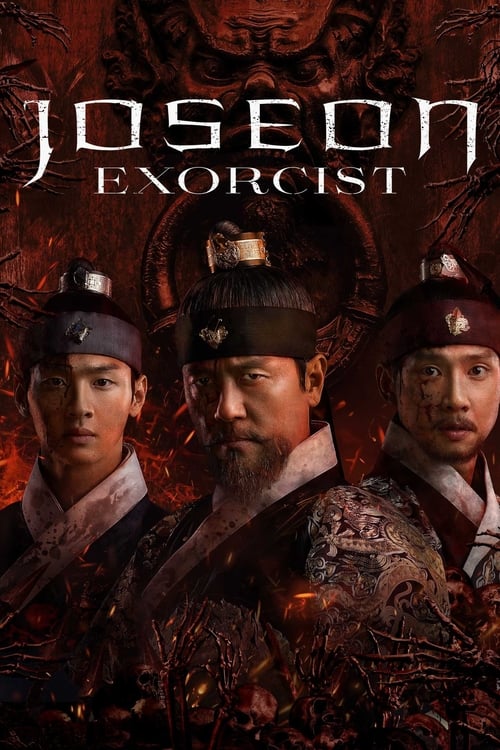
In the kingdom of Joseon, the story begins with the aftermath of a devastating attack by a horde of vengeful spirits. The royal family is shaken, and the king, Lee Bang-won, is determined to protect his kingdom from these supernatural threats. He enlists the help of his loyal and skilled exorcist, Seo Jin, who has a deep understanding of the spiritual realm. Seo Jin is haunted by his past, particularly the loss of his family to a similar supernatural attack, which fuels his resolve to eradicate the evil spirits.
As Seo Jin begins his work, he discovers that the spirits are not just random entities but are tied to a dark history involving the royal family. The king's brother, Lee Seung, is introduced as a conflicted character who struggles with his loyalty to the crown and his desire for power. He is drawn to the dark forces, believing that they can help him achieve his ambitions. This internal conflict sets the stage for a power struggle within the royal family.
The plot thickens when Seo Jin encounters a mysterious woman named Kim So-yeon, who possesses unique abilities that allow her to communicate with the spirits. She becomes an ally to Seo Jin, and their relationship develops as they work together to uncover the truth behind the spirits' wrath. So-yeon reveals that the spirits are seeking revenge for the injustices they suffered in life, and she feels a deep connection to their plight.
As Seo Jin and So-yeon delve deeper into the mystery, they uncover a hidden conspiracy involving the royal family. They learn that the spirits are tied to a cursed artifact that was once owned by the king's ancestors. This artifact has the power to control the spirits, and it becomes a focal point of the conflict. Seo Jin realizes that in order to stop the spirits, they must find and destroy this artifact.
Tensions rise as Lee Seung, driven by his ambition, seeks to harness the power of the artifact for himself. He believes that by controlling the spirits, he can gain the throne and eliminate his brother, the king. This leads to a series of confrontations between Seo Jin, So-yeon, and Lee Seung, each trying to outmaneuver the other. The stakes are high, and the emotional turmoil within the characters intensifies as they grapple with their desires and fears.
In a climactic battle, Seo Jin and So-yeon confront Lee Seung in a dark, foreboding temple where the artifact is hidden. The atmosphere is charged with tension as they face off against Lee Seung and his minions, who have been corrupted by the spirits. The fight is brutal, with Seo Jin using his exorcist skills to combat the spirits while So-yeon channels her abilities to protect them both. The choreography of the battle is intense, showcasing the desperation and determination of each character.
As the battle rages on, Seo Jin manages to reach the artifact, but Lee Seung intervenes, leading to a fierce struggle. In a moment of vulnerability, Lee Seung reveals his motivations, expressing his feelings of inadequacy and his desire for recognition. This emotional revelation creates a moment of hesitation, allowing Seo Jin to gain the upper hand. In a final act of sacrifice, Seo Jin destroys the artifact, releasing the spirits and breaking the curse that has plagued the kingdom.
With the spirits finally at peace, the aftermath of the battle leaves the characters forever changed. Seo Jin and So-yeon share a moment of understanding, acknowledging the bond they formed through their trials. Lee Seung, faced with the consequences of his actions, must confront his choices and the impact they had on his family and the kingdom. The story concludes with a sense of resolution, but the scars of the past linger, hinting at the complexities of human emotions and the supernatural forces that once threatened Joseon.









What is the ending?
In the ending of "Joseon Exorcist," the conflict between the living and the undead reaches a climax. The main characters face their destinies as they confront the evil that has plagued Joseon. The story concludes with significant sacrifices, revealing the true nature of loyalty, love, and the cost of power.
As the final episodes unfold, the tension escalates. The protagonist, Prince Lee Bang-won, grapples with the weight of his responsibilities and the horrors unleashed by the resurrection of the undead. He is determined to protect his kingdom and his loved ones, even at great personal cost. His internal struggle is palpable as he faces the consequences of his decisions.
In a pivotal scene, Lee Bang-won confronts the main antagonist, the resurrected evil spirit, who has been manipulating events from the shadows. The confrontation is intense, filled with emotional stakes as Lee Bang-won fights not only for his life but for the future of Joseon. The battle is visually striking, with dark, swirling energies and the clash of swords echoing through the night.
Meanwhile, the character of Jung Gi-joon, a skilled exorcist, plays a crucial role in the climax. He is torn between his duty to exorcise the evil and his deep-seated feelings for the princess, who is also caught in the turmoil. His emotional conflict adds depth to the narrative as he makes a fateful decision to protect her, even if it means sacrificing his own life.
As the battle rages on, the princess, who has been a symbol of hope and resilience, steps into the fray. Her bravery shines as she confronts the darkness, embodying the spirit of Joseon. In a heart-wrenching moment, she faces the evil spirit directly, showcasing her growth and determination to save her people.
The climax culminates in a dramatic showdown where sacrifices are made. Lee Bang-won, realizing the true cost of power, makes a heartbreaking choice that leads to the defeat of the evil spirit but at the expense of his own life. The emotional weight of this moment is felt deeply, as the characters grapple with loss and the implications of their actions.
In the aftermath, the surviving characters are left to mourn their losses and reflect on the sacrifices made. Jung Gi-joon, having lost both his love and his mentor, is left with a heavy heart but a renewed sense of purpose. He vows to continue the fight against evil, honoring the memories of those who fell.
The princess, now a symbol of resilience, takes on the mantle of leadership, determined to rebuild Joseon and ensure that the sacrifices made were not in vain. The final scenes depict her standing strong, looking towards the horizon, embodying hope for a brighter future.
In summary, the ending of "Joseon Exorcist" is marked by intense emotional stakes, significant sacrifices, and the resolution of character arcs that highlight themes of loyalty, love, and the heavy burden of leadership. Each character's fate is intertwined with the larger narrative, leaving a lasting impact on the world of Joseon.
Is there a post-credit scene?
In the 2021 series "Joseon Exorcist," there is no post-credit scene. The show concludes its narrative without any additional scenes after the credits roll. The final episodes wrap up the main story arcs, focusing on the resolution of the conflict between the characters and the supernatural threats they face. The emotional weight of the characters' journeys is emphasized in the closing moments, leaving viewers with a sense of closure regarding the fates of the protagonists and the world they inhabit.
How does the theme of betrayal manifest in the character dynamics?
Betrayal is a recurring theme that deeply affects character dynamics, particularly between Lee Bang-won and those closest to him. As the plot unfolds, characters reveal hidden agendas and loyalties shift, leading to shocking betrayals that impact the course of the story. This theme is embodied in the actions of characters like Lee Seung-jo and Kim So-yeon, whose choices reflect the complexities of trust and loyalty in a world filled with supernatural threats.
What is the significance of the character Lee Bang-won in the story?
Lee Bang-won, portrayed as a complex character, is the third king of the Joseon Dynasty. His internal struggle between his royal duties and personal desires drives much of the plot. He grapples with the burden of leadership and the supernatural threats facing his kingdom, showcasing his evolution from a ruler focused on power to one who must confront the consequences of his actions.
How does the relationship between Lee Bang-won and his brother Lee Seung-jo evolve throughout the series?
The relationship between Lee Bang-won and Lee Seung-jo is fraught with tension and rivalry. Initially, they share a bond as brothers, but as the supernatural events unfold and power struggles intensify, their relationship deteriorates. Lee Seung-jo's loyalty to his brother is tested as he becomes increasingly aware of the dark forces at play, leading to a heartbreaking confrontation that highlights their conflicting loyalties.
What role does the character Kim So-yeon play in the fight against the supernatural forces?
Kim So-yeon, a skilled exorcist, plays a pivotal role in combating the supernatural threats that plague Joseon. Her character is marked by resilience and determination, as she faces not only external demons but also her own past traumas. Her relationship with Lee Bang-won adds emotional depth to her character, as she navigates her feelings for him while remaining committed to her mission to protect the kingdom.
What are the origins of the supernatural beings that threaten Joseon?
The supernatural beings in 'Joseon Exorcist' are rooted in Korean folklore, drawing from traditional myths and legends. They are depicted as vengeful spirits and monsters that emerge from the dark history of the land, often linked to the suffering and injustices faced by the people. Their origins are explored through flashbacks and character backstories, revealing how past grievances manifest as these malevolent forces.
Is this family friendly?
"Joseon Exorcist" is not considered family-friendly due to its mature themes and graphic content. Here are some potentially objectionable or upsetting aspects that may occur:
-
Violence and Gore: The series features intense battle scenes, including graphic depictions of bloodshed and supernatural violence, which may be disturbing for younger viewers.
-
Supernatural Horror Elements: The presence of ghosts, demons, and other supernatural entities can be frightening, particularly for sensitive individuals or children.
-
Death and Suffering: Characters experience significant trauma, loss, and suffering, which may evoke strong emotional responses.
-
Dark Themes: The narrative explores themes of betrayal, revenge, and moral ambiguity, which may be complex and unsettling for younger audiences.
-
Occult Practices: The portrayal of exorcisms and rituals related to the supernatural may be disturbing to some viewers.
Overall, the series contains content that is more suitable for mature audiences due to its intense and dark nature.