



































Popular
What motivates Atari Kobayashi to search for his dog, Spots?
How do the dogs on Trash Island react to Atari's arrival?
What is the significance of Chief's character arc throughout the film?
What role does the character of Mayor Kobayashi play in the plot?
How does the film depict the relationship between dogs and humans?
Should I watch it?
Ask Your Own Question

What is the plot?
Sorry, we aren't able to watch and write up a full detailed plot yet. Check back in a few days.








What is the ending?
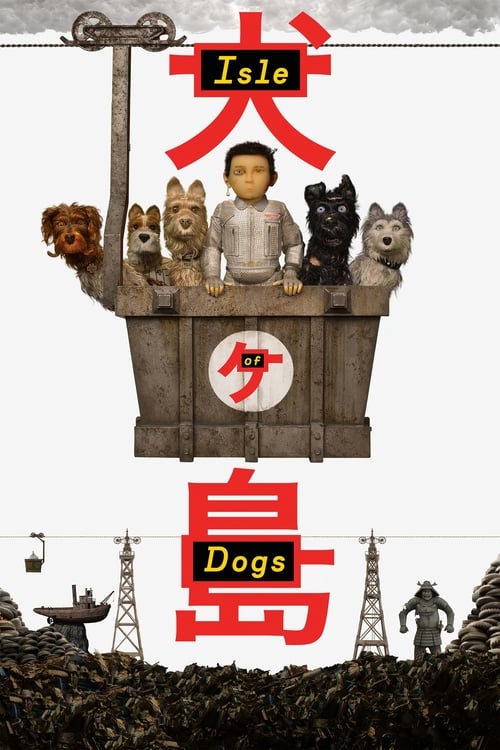
In the ending of "Isle of Dogs," Atari Kobayashi successfully finds his lost dog, Spots, and the group of dogs, including Chief, Rex, and others, work together to confront the corrupt government of Megasaki City. They expose the truth about the dog flu and the government's ulterior motives. The film concludes with a hopeful reunion between Atari and Spots, and the dogs are ultimately accepted back into society.
As the film approaches its climax, we find ourselves in the heart of Megasaki City, where the tension between the dogs and the human authorities reaches a boiling point. Atari Kobayashi, the young boy determined to rescue his beloved dog, Spots, has been on a perilous journey. He has navigated the treacherous landscape of Trash Island, where the exiled dogs have formed a community.
Scene by scene, the narrative unfolds:
Atari, having gathered courage and determination, infiltrates the government facility where the dogs are being held. He is accompanied by Chief, the stray dog who has become a leader among the pack. The atmosphere is charged with urgency as they dodge security and make their way through the facility. The stakes are high; Atari's love for Spots drives him forward, while Chief grapples with his own feelings of loyalty and belonging.
As they reach the holding area, Atari finally spots Spots, who is being held in a cage. The reunion is emotional, filled with relief and joy. Spots, initially wary, recognizes Atari and their bond is reignited. This moment signifies the culmination of Atari's quest and the deep connection between boy and dog.
Meanwhile, the other dogs, including Rex, King, and Duke, rally together to expose the truth about the dog flu that the government has been using as a pretext for their actions. They work in tandem with Atari and Spots, showcasing their intelligence and resourcefulness. The dogs' camaraderie is palpable, highlighting themes of friendship and loyalty.
In a pivotal scene, the dogs manage to broadcast evidence of the government's corruption to the citizens of Megasaki City. This act of defiance stirs the public, who begin to question the narrative fed to them by the authorities. The tide begins to turn as the citizens rally against the oppressive regime, showcasing the power of unity and truth.
As the climax unfolds, the mayor's plans unravel, and the citizens demand the return of their dogs. The dogs, once seen as a threat, are now embraced as beloved companions. The emotional weight of this transformation is felt deeply, as the dogs are no longer outcasts but integral members of society.
In the final scenes, we see Atari and Spots reunited, their bond stronger than ever. The joy of their reunion is mirrored in the faces of the other dogs, who are also welcomed back into their families. Chief, who has struggled with his identity throughout the film, finds a sense of belonging not just with the pack but also with Atari and Spots. He realizes that he is valued and loved, a significant shift from his earlier life as a stray.
The film concludes with a sense of hope and renewal. The dogs and their human companions stand together, symbolizing a new beginning. The final moments capture the essence of the film's message: love, loyalty, and the importance of standing up against injustice. Each character, from Atari to Chief, has undergone a transformation, emerging from the trials they faced with a deeper understanding of themselves and their relationships.
In summary, the ending of "Isle of Dogs" encapsulates the journey of its characters, highlighting their growth and the power of connection, ultimately leading to a harmonious resolution where love triumphs over adversity.
Is there a post-credit scene?
In "Isle of Dogs," there is no post-credit scene. The film concludes with a poignant ending that wraps up the story of the dogs and their human companions. After the climactic events, the narrative focuses on the resolution of the characters' arcs, particularly the bond between the young boy, Atari, and the pack of dogs, led by Chief. The film ends on a hopeful note, emphasizing themes of loyalty, friendship, and the importance of communication across barriers. As the credits roll, the audience is left to reflect on the journey of the characters without any additional scenes or content following the main story.
What motivates Atari Kobayashi to search for his dog, Spots?
Atari Kobayashi, a young boy, is driven by his deep love and bond with his dog, Spots. After the government of Megasaki City exiles all dogs to Trash Island due to a canine flu outbreak, Atari becomes determined to find Spots, who was among the first dogs sent away. His quest is fueled by a sense of loyalty and desperation, as he believes that Spots is still alive and that he must rescue him.
How do the dogs on Trash Island react to Atari's arrival?
When Atari arrives on Trash Island, the group of dogs, led by Chief, initially views him with suspicion. They are wary of humans due to their past experiences and the harsh conditions they face on the island. However, as Atari shows his determination and kindness, the dogs begin to warm up to him, recognizing his genuine affection for Spots and ultimately deciding to help him in his quest.
What is the significance of Chief's character arc throughout the film?
Chief, a stray dog who initially embraces his independence and distrust of humans, undergoes a significant transformation throughout the film. Initially reluctant to help Atari, he gradually becomes a protector and father figure to the boy. Chief's journey reflects themes of loyalty, redemption, and the importance of companionship, as he learns to trust and care for both Atari and the other dogs, ultimately embracing his role as a leader.
What role does the character of Mayor Kobayashi play in the plot?
Mayor Kobayashi serves as the primary antagonist in 'Isle of Dogs.' He is the one who initiates the exile of dogs to Trash Island, driven by a desire to control the canine population and maintain his political power. His actions are motivated by a personal vendetta against dogs, stemming from a traumatic childhood experience. Throughout the film, he represents the oppressive forces against which Atari and the dogs must fight.
How does the film depict the relationship between dogs and humans?
The film explores the complex relationship between dogs and humans through various interactions and character dynamics. Dogs like Chief and his pack exhibit loyalty, bravery, and a desire for companionship, while humans like Atari show love and dedication to their pets. However, the film also highlights the darker side of this relationship, as seen in the actions of Mayor Kobayashi, who views dogs as disposable. This duality emphasizes the emotional bonds that can exist alongside societal conflicts.
Is this family friendly?
Isle of Dogs, while visually stunning and rich in storytelling, contains several elements that may be considered objectionable or upsetting for children or sensitive viewers. Here are some aspects to consider:
-
Violence and Threats: There are scenes depicting dog fights and threats of violence against the dogs, which may be distressing for younger viewers.
-
Emotional Distress: Characters experience loss and separation, leading to moments of sadness and emotional turmoil that could be upsetting.
-
Dark Themes: The film explores themes of exile, abandonment, and authoritarianism, which may be complex and heavy for younger audiences to fully grasp.
-
Mild Language: There are instances of mild profanity and crude humor that may not be suitable for all children.
-
Scary Imagery: Some scenes may feature intense visuals or situations that could be frightening, particularly for sensitive viewers.
-
Animal Treatment: The portrayal of dogs in captivity and the harsh conditions they face may evoke strong emotional reactions.
Overall, while the film has a whimsical and artistic style, its themes and certain scenes may require parental guidance for younger audiences.









