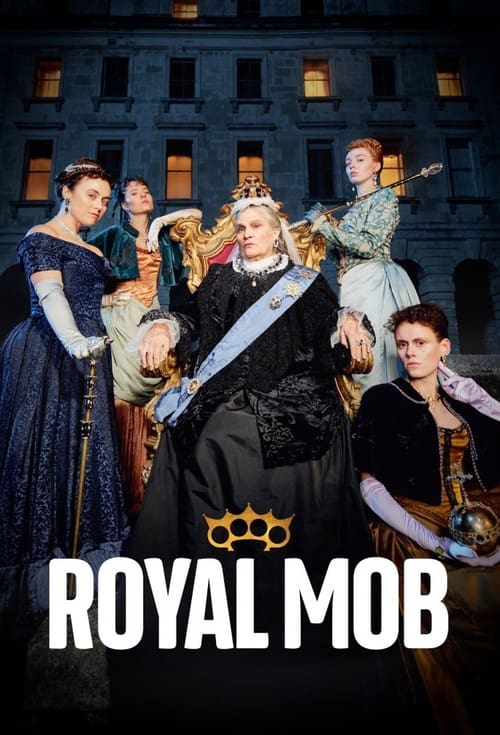



















Popular
What role does the character of Princess Mary play in the story?
How does the relationship between Princess Mary and her brother develop throughout the series?
What are the key motivations behind the character of King George?
How does the series depict the theme of loyalty through the character of Lady Margaret?
What pivotal events shape the character development of Prince Edward throughout the series?
Should I watch it?
Ask Your Own Question

What is the plot?
In the early 20th century, the story begins in the tumultuous backdrop of Europe, where the rise of the mob intertwines with royal families. The narrative focuses on the powerful and influential members of the royal families, particularly the British royal family, and their connections to organized crime. The protagonist, a young woman named Princess Mary, is introduced as she navigates the complexities of her royal duties while being drawn into the underworld.
As the plot unfolds, Princess Mary discovers that her family has deep ties to the criminal underbelly, which complicates her perception of loyalty and duty. She grapples with her identity, torn between her royal responsibilities and her growing fascination with the power dynamics of the mob. This internal conflict is heightened when she meets a charismatic mobster, who represents a world of freedom and danger that she finds alluring.
The story escalates when a rival mob family threatens the stability of the royal family's influence. Tensions rise as Princess Mary learns of a plot to undermine her family's power. She witnesses a violent confrontation between the two mob factions, which leaves her shaken but more determined to protect her family's legacy. This event marks a turning point for her character, as she begins to take a more active role in the family's affairs.
In a pivotal scene, Princess Mary confronts her father, the king, about the family's criminal connections. The king reveals the historical context of their alliance with the mob, explaining that it has been a necessary evil to maintain their power. This revelation deepens Mary's internal struggle, as she must reconcile her love for her family with the moral implications of their actions.
As the rival mob family intensifies their attacks, Princess Mary decides to take matters into her own hands. She forms an unlikely alliance with the mobster she has grown close to, believing that together they can outmaneuver their enemies. This partnership leads to a series of strategic meetings and clandestine operations, where they plot to eliminate the threat posed by the rival family.
The tension culminates in a dramatic showdown at a lavish royal gala, where both families are present. As the night unfolds, a violent confrontation erupts, with gunfire and chaos breaking out among the guests. Princess Mary, caught in the crossfire, must navigate the chaos while trying to protect her family and the mobster she has allied with. The scene is filled with emotional intensity as she witnesses the consequences of the life she has chosen.
In the aftermath of the gala, the fallout from the violence leads to significant changes within the royal family. Princess Mary is forced to confront the reality of her choices, as the mobster she allied with is captured by law enforcement. This moment of loss propels her into a deeper understanding of the cost of power and loyalty.
As the series progresses, Princess Mary takes on a more prominent role in the family's dealings, becoming a key player in the ongoing battle for control between the royal family and the mob. Her character evolves as she learns to wield her influence, balancing her royal duties with her newfound understanding of the criminal world.
The climax of the story arrives when Princess Mary orchestrates a final plan to eliminate the rival mob family once and for all. This involves a high-stakes negotiation that takes place in a secluded location, where she must outsmart the rival leaders. The tension is palpable as she uses her wit and charm to navigate the dangerous waters of mob politics.
In the final moments of the series, Princess Mary emerges as a powerful figure, having solidified her place within both the royal family and the mob. The series concludes with her standing at a crossroads, contemplating her future and the legacy she will leave behind. The emotional weight of her journey is evident as she reflects on the choices she has made and the path that lies ahead.
More TV Shows Like This
Browse All TV Shows →









What is the ending?
In the ending of "Royal Mob," the story culminates in a dramatic confrontation that leads to significant changes for the main characters. The power struggles within the royal family and the criminal underworld reach a boiling point, resulting in betrayals and alliances that reshape their fates. Ultimately, the characters must confront their choices, leading to a resolution that leaves some in positions of power while others face dire consequences.
As the final episodes unfold, the tension escalates. The scene opens with a lavish royal gathering, where the atmosphere is thick with unspoken rivalries and hidden agendas. The camera pans across the opulent ballroom, capturing the glint of jewels and the hushed whispers of the elite. Here, we see the protagonist, a strong-willed woman who has navigated the treacherous waters of both royal and criminal life, standing at the center of the room. Her internal conflict is palpable; she is torn between loyalty to her family and the desire for independence.
In the next scene, the protagonist meets with her estranged brother in a dimly lit corridor, away from prying eyes. Their conversation is fraught with tension, as they discuss the impending threat from a rival faction that seeks to undermine their family's power. The brother, filled with a mix of desperation and ambition, proposes a dangerous alliance with the criminal underworld, believing it to be their only chance for survival. The protagonist hesitates, her heart heavy with the weight of their shared history and the potential consequences of such a pact.
As the night progresses, the royal gathering takes a dark turn. A sudden power outage plunges the ballroom into chaos. In the ensuing confusion, the protagonist's brother makes a move to seize control, but his plan is thwarted by the rival faction, leading to a violent confrontation. The camera captures the frantic energy of the scene, with guests screaming and scrambling for safety. The protagonist, witnessing the betrayal unfold, feels a surge of determination. She steps forward, rallying her allies to confront the threat head-on.
In a climactic showdown, the protagonist faces off against the leader of the rival faction. The tension is electric as they exchange heated words, revealing their motivations and the stakes of their conflict. The protagonist's resolve shines through as she fights not just for her family's legacy but for her own identity. The battle is fierce, and the choreography of the fight is both brutal and elegant, showcasing the characters' physical prowess and emotional stakes.
As the dust settles, the aftermath reveals the fates of the main characters. The protagonist emerges victorious but at a great cost. Her brother, having underestimated her strength, is left to grapple with the consequences of his ambition. The rival faction is dismantled, but the protagonist realizes that the victory comes with a heavy burden of leadership. She stands amidst the remnants of the chaos, her expression a mix of triumph and sorrow, understanding that the path ahead will be fraught with challenges.
In the final moments, the protagonist looks out over the city from a balcony, the weight of her choices evident in her posture. She is now a figure of power, but the isolation of leadership looms large. The camera lingers on her face, capturing the complexity of her emotions as she contemplates her future. The screen fades to black, leaving the audience with a sense of both closure and uncertainty, reflecting the intricate web of loyalty, ambition, and the cost of power that has defined the journey of the characters throughout "Royal Mob."
Is there a post-credit scene?
In the 2022 series "Royal Mob," there is no post-credit scene. The show concludes its narrative without additional scenes after the credits, focusing instead on wrapping up the storylines of the main characters and their arcs throughout the series. The final moments of the last episode provide a sense of closure, emphasizing the themes of power, loyalty, and the complexities of family ties within the context of the royal families depicted. The absence of a post-credit scene allows viewers to reflect on the events and character developments that have unfolded, leaving a lasting impression of the intricate dynamics explored in the series.
What role does the character of Princess Mary play in the story?
Princess Mary is a central figure in 'Royal Mob,' representing the complexities of royal duty and personal ambition. Her character is torn between her loyalty to her family and her desire for independence. Throughout the series, she navigates the treacherous waters of royal politics, often finding herself at odds with her family's expectations. Her emotional journey is marked by moments of vulnerability, as she grapples with the weight of her lineage and the sacrifices it demands.
How does the relationship between Princess Mary and her brother develop throughout the series?
The relationship between Princess Mary and her brother is fraught with tension and complexity. Initially, they share a bond rooted in childhood memories, but as the series progresses, their paths diverge due to differing ambitions and loyalties. Mary's brother becomes increasingly entangled in the political machinations of the royal family, leading to conflicts that test their loyalty to one another. Their interactions are charged with emotional stakes, revealing deep-seated fears and desires that drive their actions.
What are the key motivations behind the character of King George?
King George is portrayed as a ruler burdened by the weight of his responsibilities. His motivations stem from a desire to maintain the stability of the monarchy while also grappling with personal insecurities. Throughout the series, he is depicted as a man torn between tradition and the changing political landscape, often making decisions that reflect his internal struggle. His character arc reveals a deep longing for approval and a fear of failure, which influences his relationships with other characters, particularly his children.
How does the series depict the theme of loyalty through the character of Lady Margaret?
Lady Margaret embodies the theme of loyalty in 'Royal Mob,' serving as a confidante and advisor to Princess Mary. Her unwavering support is tested as she navigates the treacherous dynamics of the royal court. The series showcases her internal conflict as she balances her loyalty to Mary with the demands of the monarchy. Lady Margaret's character is rich with emotional depth, as she often finds herself making sacrifices for the sake of her principles and the well-being of those she cares about.
What pivotal events shape the character development of Prince Edward throughout the series?
Prince Edward's character development is significantly shaped by a series of pivotal events that challenge his ideals and ambitions. Early in the series, he is portrayed as a carefree royal, but as political tensions rise, he is forced to confront the realities of his position. Key moments include his involvement in a scandal that threatens the family's reputation and his growing awareness of the sacrifices required for true leadership. These experiences lead to a transformation in his character, as he grapples with the responsibilities of his title and the impact of his choices on his family.
Is this family friendly?
"Royal Mob," produced in 2022, is a historical drama that delves into the lives of royal families and their intricate relationships, often set against a backdrop of political intrigue and personal conflict. While the show offers a rich narrative, it does contain several elements that may not be suitable for children or sensitive viewers.
-
Violence and Conflict: The series includes scenes of political unrest and violence, which may depict battles or confrontations that could be distressing.
-
Mature Themes: The show explores themes of betrayal, power struggles, and familial conflict, which may be complex and emotionally intense for younger audiences.
-
Romantic Relationships: There are instances of romantic entanglements that may involve adult situations or implications that could be inappropriate for children.
-
Emotional Turmoil: Characters experience significant emotional distress, including grief, betrayal, and moral dilemmas, which may be heavy for sensitive viewers.
-
Historical Context: The portrayal of historical events may include references to real-life tragedies or injustices that could be upsetting.
Overall, while "Royal Mob" offers a compelling narrative, its content may require parental discretion for younger viewers or those who are sensitive to intense emotional and thematic material.