
Popular
What is the significance of the Julenøtter in the story?
How does the character of Anna evolve throughout the season?
What role does the character of Lars play in the dynamics of the family?
What challenges do the characters face while trying to solve the riddles of the Julenøtter?
How does the relationship between Anna and her brother develop throughout the season?
Should I watch it?
Ask Your Own Question

What is the plot?
In the first episode of "Julenøtter," we are introduced to the main character, a young woman named Nora, who is struggling with the recent loss of her mother. The story begins in a small, picturesque Norwegian town during the winter season, where the streets are lined with snow and festive decorations. Nora is seen visiting her mother's grave, reflecting on their last Christmas together. This moment sets the emotional tone for her journey throughout the series.
Nora returns home to her family, where the atmosphere is tense. Her father, Erik, is trying to keep the holiday spirit alive, but Nora feels disconnected and resentful. During a family dinner, they argue about how to celebrate Christmas without her mother, revealing deep-seated grief and unresolved issues. Nora storms out, feeling suffocated by her father's attempts to move on.
The next day, Nora receives a mysterious letter in the mail, which contains a riddle and a key. Intrigued, she decides to follow the clues, believing it might lead her to something significant about her mother. The riddle takes her to various locations around the town, each tied to a memory of her childhood. As she solves each clue, she begins to feel a connection to her mother, reigniting her holiday spirit.
As Nora continues her quest, she encounters a local historian named Magnus, who becomes her ally. Magnus is knowledgeable about the town's history and helps Nora decipher the clues. Their relationship develops as they share stories about their pasts, and Nora finds comfort in his presence. However, she is also conflicted, as she feels guilty for moving on from her mother's memory.
The clues lead Nora to an old, abandoned cabin in the woods, where she discovers a box filled with her mother's old Christmas ornaments and letters. Among the letters is one addressed to Nora, expressing her mother's love and hopes for her future. This discovery brings Nora to tears, as she realizes her mother wanted her to embrace life and find joy again.
In the following episodes, Nora continues to unravel more secrets about her mother's past, including her struggles and dreams. Each revelation helps Nora understand her mother better and confront her own feelings of loss. She also faces challenges from her father, who is still grappling with his grief and is resistant to Nora's newfound enthusiasm for the holidays.
As Christmas approaches, Nora decides to organize a community event to honor her mother's memory. She enlists the help of Magnus and other townsfolk, fostering a sense of unity and healing. However, tensions rise when Erik expresses his disapproval, fearing that Nora is trying to replace her mother. This conflict culminates in a heated argument, forcing Nora to stand her ground and assert her desire to celebrate Christmas in her own way.
The climax of the season occurs during the community event, where Nora shares her mother's story and the significance of the traditions they once held dear. The townspeople are moved, and Erik, witnessing his daughter's strength, begins to understand her need to honor her mother's legacy. This moment of reconciliation is pivotal, as it allows both Nora and Erik to begin healing together.
In the final scenes, as the event concludes, Nora feels a sense of closure. She stands by the Christmas tree, adorned with her mother's ornaments, and reflects on the journey she has taken. The season ends with a sense of hope and renewal, as Nora embraces the future while cherishing her mother's memory, symbolizing her acceptance of both loss and love.



What is the ending?
In the ending of "Julenøtter," the main characters come together to confront their pasts and the choices they have made. The emotional climax reveals deep-seated feelings and unresolved conflicts, leading to a resolution that brings closure to their relationships. Each character finds a sense of peace, and the story concludes with a hopeful tone as they embrace the spirit of the season.
As the final episode unfolds, the scene opens in a cozy, warmly lit living room adorned with Christmas decorations. The atmosphere is filled with a mix of anticipation and tension as the characters gather for a holiday celebration. The camera pans across the room, capturing the flickering lights of the Christmas tree and the aroma of freshly baked cookies wafting through the air.
The first key moment occurs when Anna, one of the central characters, steps forward to address her friends and family. Her voice trembles with emotion as she reflects on the challenges they have faced together. She acknowledges the misunderstandings and hurt feelings that have lingered among them, particularly with her brother, Erik. The camera zooms in on Erik's face, revealing a mixture of regret and longing for reconciliation.
As Anna speaks, the scene shifts to flashbacks of their childhood, showcasing moments of joy and laughter, juxtaposed with the more recent conflicts that have strained their relationship. The audience can feel the weight of their shared history, and the emotional stakes rise as Anna's vulnerability encourages others to open up.
Next, Erik stands up, visibly moved by Anna's words. He takes a deep breath, his eyes glistening with unshed tears, and admits his own mistakes. He expresses his desire to mend their bond, and the room falls silent as everyone absorbs the gravity of his confession. The tension begins to dissipate, replaced by a sense of hope.
In a pivotal moment, their mother, who has been quietly observing, joins the conversation. She shares her own struggles and regrets, revealing how her actions have impacted her children. This moment of honesty creates a ripple effect, prompting other characters to share their feelings and experiences. The dialogue flows freely, filled with raw emotion, as they confront their pasts together.
As the night progresses, the characters engage in heartfelt conversations, each revealing their vulnerabilities and aspirations. The camera captures the warmth of their interactions, highlighting the importance of forgiveness and understanding. Laughter begins to replace the earlier tension, and the atmosphere transforms into one of unity and love.
The climax of the episode occurs when they all gather around the Christmas tree to exchange gifts. Each gift symbolizes not just material items but the deeper connections they have forged through their shared experiences. The camera lingers on their faces, showcasing the joy and relief that comes from reconciling their differences.
In the final moments, the characters join hands, forming a circle around the tree. They share a collective wish for the future, embodying the spirit of togetherness and hope. The scene fades out with the sound of laughter and the soft glow of the Christmas lights, leaving the audience with a sense of closure.
As the credits roll, viewers are left with the fates of the main characters: Anna and Erik have rekindled their sibling bond, their relationship stronger than before. Their mother finds solace in the renewed connections with her children, and the family embraces the holiday season with a newfound appreciation for one another. The story concludes on a hopeful note, emphasizing the power of love, forgiveness, and the importance of family during the holidays.
Is there a post-credit scene?
In the show "Julenøtter," season 1, there is indeed a post-credit scene that adds a whimsical touch to the overall narrative. After the final credits roll, the screen fades back in to reveal a cozy, warmly lit living room adorned with holiday decorations. The camera pans slowly across the room, showcasing a beautifully decorated Christmas tree, twinkling lights, and a table filled with festive treats.
In this scene, the main characters gather around the tree, laughter and chatter filling the air. They are playfully arguing over who will get to open the last present. The atmosphere is filled with warmth and camaraderie, highlighting the bonds they have formed throughout the season. As one character reaches for the gift, another playfully pulls it away, leading to a light-hearted scuffle that ends in laughter.
The scene captures the essence of the holiday spirit, emphasizing themes of friendship, joy, and the importance of togetherness. As the camera zooms out, the characters settle down, sharing stories and reminiscing about their adventures, leaving viewers with a sense of closure and warmth as the screen fades to black once more. This post-credit moment serves as a delightful reminder of the joy and connection that the holiday season brings.
What is the significance of the Julenøtter in the story?
The Julenøtter, or Christmas nuts, serve as a central symbol throughout the season, representing the themes of family, tradition, and the spirit of giving. Each nut contains a unique challenge or riddle that the characters must solve, leading to deeper connections and revelations about their relationships.
How does the character of Anna evolve throughout the season?
Anna begins as a somewhat skeptical and distant character, struggling with her family's expectations and her own desires. As the season progresses, her interactions with the other characters, particularly her younger brother, help her rediscover the joy of family traditions and ultimately embrace her role within the family.
What role does the character of Lars play in the dynamics of the family?
Lars is portrayed as the peacemaker of the family, often stepping in to mediate conflicts and encourage open communication. His calm demeanor and thoughtful insights help to bridge the gaps between family members, especially during moments of tension, showcasing his deep love for his family.
What challenges do the characters face while trying to solve the riddles of the Julenøtter?
The characters face a variety of challenges, both physical and emotional, as they attempt to solve the riddles. These include navigating their own insecurities, confronting past grievances, and working together despite their differences. Each riddle forces them to confront their personal struggles and ultimately leads to growth and understanding.
How does the relationship between Anna and her brother develop throughout the season?
Initially, Anna and her brother have a strained relationship, marked by misunderstandings and a lack of communication. However, as they work together to solve the Julenøtter, they begin to share their feelings and experiences, leading to a heartfelt reconciliation and a stronger bond by the end of the season.
Is this family friendly?
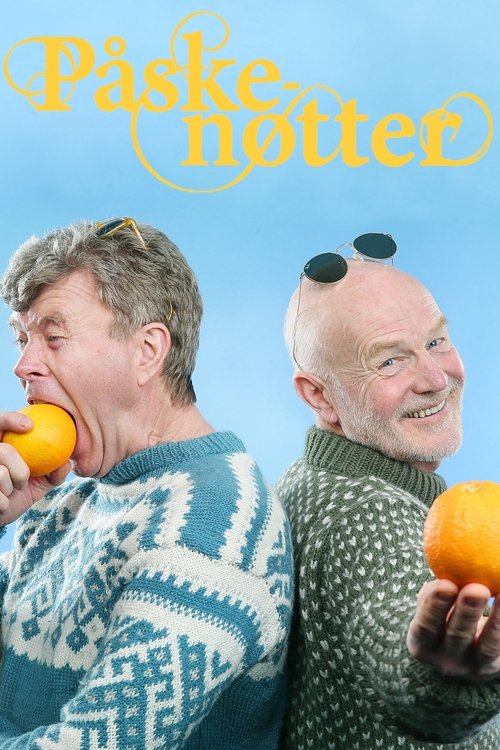
"Julenøtter," season 1, is generally considered family-friendly, focusing on themes of family, love, and the holiday spirit. However, there are a few scenes and aspects that might be potentially objectionable or upsetting for children or sensitive viewers:
-
Emotional Conflict: The show features moments of family tension and conflict, which may evoke feelings of sadness or discomfort, particularly during scenes where characters struggle with misunderstandings or emotional distance.
-
Loss and Grief: There are references to loss and the impact it has on family dynamics, which could be upsetting for younger viewers or those who have experienced similar situations.
-
Mild Frightening Moments: Some scenes may include mild suspense or tension that could be unsettling for very young children, particularly during moments of uncertainty or when characters face challenges.
-
Disappointment: Characters may experience disappointment or setbacks in their holiday plans, which could resonate with viewers who are sensitive to themes of failure or unmet expectations.
Overall, while the show maintains a light-hearted tone, these elements may require parental guidance for younger audiences.