
















Popular
What motivates John Book to protect the Amish boy after witnessing the murder?
How does Rachel Lapp's character evolve throughout the film?
What is the significance of the Amish community's way of life in the film?
How does the climax of the film unfold during the barn-raising scene?
What role does Captain Paul Schaeffer play in the story, and what are his motivations?
Should I watch it?
Ask Your Own Question

What is the plot?
Sorry, we aren't able to watch and write up a full detailed plot yet. Check back in a few days.




What is the ending?
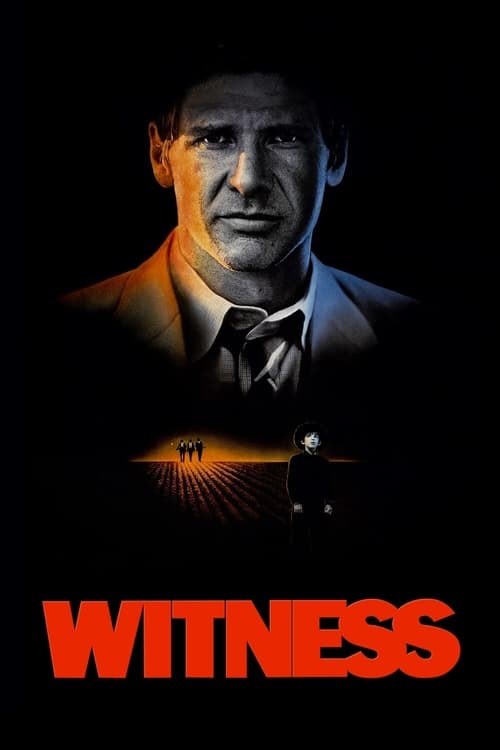
In the ending of "Witness," John Book confronts the corrupt police officers who are after him and the young Amish boy, Samuel. After a tense showdown, Book manages to protect Samuel and his mother, Rachel, while bringing the corrupt officers to justice. The film concludes with Book deciding to leave the Amish community, understanding that he cannot fully integrate into their way of life.
As the climax of "Witness" unfolds, the tension escalates in the dimly lit barn where John Book, played by Harrison Ford, has taken refuge with Rachel and her son, Samuel. The atmosphere is thick with anticipation as the corrupt police officers, led by the menacing Lieutenant Schaeffer, close in on their location. Book, who has been wounded, is determined to protect Rachel and Samuel at all costs.
In a pivotal moment, Book hears the sound of the officers approaching. He knows that time is running out. He instructs Rachel to keep Samuel hidden and quiet, emphasizing the importance of their safety. The camera captures the fear in Rachel's eyes, reflecting her internal struggle between her love for her son and the danger that surrounds them.
As the officers enter the barn, Book's heart races. He positions himself strategically, ready to confront the threat. The tension is palpable as the officers search the barn, their flashlights cutting through the darkness. Book's resolve is evident; he is not just fighting for his own life but for the lives of Rachel and Samuel.
When the confrontation finally erupts, it is a chaotic flurry of movement. Book, despite his injuries, engages in a fierce struggle with the officers. The fight is raw and visceral, showcasing Book's determination and resourcefulness. He uses the environment to his advantage, leveraging his knowledge of the barn's layout to outmaneuver his attackers.
In a climactic moment, Book manages to subdue Schaeffer, the main antagonist, revealing the corruption that has plagued the police force. The tension breaks as the remaining officers are apprehended, and the truth about their actions comes to light. The relief is palpable, and the camera lingers on Rachel and Samuel, who watch in awe and fear, their lives forever changed by the events that have unfolded.
As the dust settles, Book realizes that he cannot remain in the Amish community. He understands that his world is vastly different from theirs, and despite the bond he has formed with Rachel and Samuel, he must return to his own life. The emotional weight of this decision hangs heavy in the air. Rachel, too, feels the gravity of the moment, knowing that their paths are diverging.
In the final scenes, Book prepares to leave. He shares a poignant goodbye with Rachel, their connection evident but overshadowed by the reality of their circumstances. Samuel, still a child, looks up at Book with a mixture of admiration and sadness, not fully grasping the implications of their parting.
As Book drives away, the camera captures the serene landscape of the Amish community, a stark contrast to the chaos he has just experienced. The film closes on Rachel and Samuel, standing together, watching him leave. The emotional weight of their farewell lingers, encapsulating the themes of love, sacrifice, and the clash of cultures that have defined their journey.
In the end, John Book returns to his life, forever marked by the experiences he shared with Rachel and Samuel, while they remain in their peaceful community, carrying the memories of the danger they faced and the man who briefly entered their lives.
Is there a post-credit scene?
The movie "Witness," produced in 1985, does not have a post-credit scene. The film concludes with a powerful and emotional climax, focusing on the resolution of the central conflict between the Amish community and the corrupt police officers. After the intense confrontation, the story wraps up with a sense of closure, particularly for the characters of John Book, played by Harrison Ford, and Rachel Lapp, portrayed by Kelly McGillis. The film ends on a poignant note, emphasizing the themes of love, cultural differences, and the quest for peace, without any additional scenes after the credits.
What motivates John Book to protect the Amish boy after witnessing the murder?
John Book, played by Harrison Ford, is a Philadelphia detective who becomes deeply affected by the murder he witnesses while on duty. His motivation to protect the Amish boy, Samuel, stems from a sense of duty as a police officer and a personal moral obligation to ensure the safety of an innocent child who has seen something he shouldn't have. As he spends time with the Amish community, he also develops a connection with Samuel's mother, Rachel, which further fuels his desire to keep them safe.
How does Rachel Lapp's character evolve throughout the film?
Rachel Lapp, portrayed by Kelly McGillis, begins as a devoted member of the Amish community, embodying their values of simplicity and peace. As she becomes involved with John Book, her character evolves from a woman bound by tradition to one who grapples with her feelings for him and the dangers posed by the outside world. Her internal conflict is palpable as she navigates her attraction to Book while remaining loyal to her community's beliefs, ultimately leading her to make difficult choices about love and safety.
What is the significance of the Amish community's way of life in the film?
The Amish community's way of life serves as a stark contrast to the violence and corruption of the outside world. Their values of simplicity, non-violence, and community are highlighted through their interactions with John Book. The film uses this contrast to explore themes of innocence and the impact of modern society on traditional ways of living. The peacefulness of the Amish lifestyle becomes a refuge for Book, who is deeply troubled by the violence he has witnessed, and it challenges him to reconsider his own life choices.
How does the climax of the film unfold during the barn-raising scene?
The barn-raising scene serves as a pivotal moment in the film, showcasing the strength and unity of the Amish community. As John Book helps with the construction, the atmosphere is filled with camaraderie and joy, contrasting sharply with the tension of the impending threat from the corrupt police officer, Captain Paul Schaeffer. This scene not only highlights the communal spirit of the Amish but also symbolizes Book's growing acceptance into their world. However, the joy is undercut by the looming danger, culminating in a confrontation that forces Book to protect Rachel and Samuel from Schaeffer.
What role does Captain Paul Schaeffer play in the story, and what are his motivations?
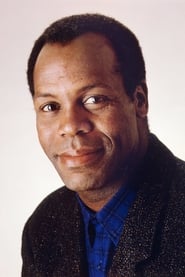
Captain Paul Schaeffer, played by Danny Glover, is the antagonist of the film, representing the corruption within the police force. His motivations are driven by a desire to eliminate any threats to his criminal activities, which include drug trafficking. Schaeffer's ruthless nature is revealed through his willingness to kill to protect his interests, and his pursuit of John Book and the Amish witnesses becomes increasingly personal. His character embodies the moral decay of the urban environment, contrasting sharply with the innocence of the Amish community.
Is this family friendly?
"Witness," produced in 1985, is generally considered suitable for older children and adults, but it does contain some scenes and themes that may be objectionable or upsetting for younger viewers or sensitive individuals. Here are some aspects to consider:
-
Violence: The film includes scenes of violence, including a murder that is witnessed by a child. The depiction of this act is intense and may be disturbing.
-
Murder and Crime: The central plot revolves around a murder investigation, which involves criminal activity and the threat of violence against the main characters.
-
Cultural Tension: The film explores themes of cultural differences and tensions between the Amish community and the outside world, which may be complex for younger viewers to understand.
-
Emotional Turmoil: Characters experience significant emotional distress, including fear, grief, and the struggle for safety, which may be heavy for sensitive audiences.
-
Romantic Elements: There are romantic undertones between the main characters, which may include scenes of intimacy that could be considered inappropriate for younger viewers.
-
Language: There are instances of mild profanity and harsh language that may not be suitable for all audiences.
These elements contribute to the film's mature themes and may require parental guidance for younger viewers.








