

Popular
What key events led to the resurgence of the Ku Klux Klan in the 1920s as depicted in the series?
How does the series portray the internal conflicts within the Klan regarding its leadership?
What role does the character of D.C. Stephenson play in the Klan's narrative within the series?
How does the series depict the Klan's relationship with law enforcement and government officials?
What specific events are highlighted to show the Klan's impact on African American communities?
Should I watch it?
Ask Your Own Question

What is the plot?
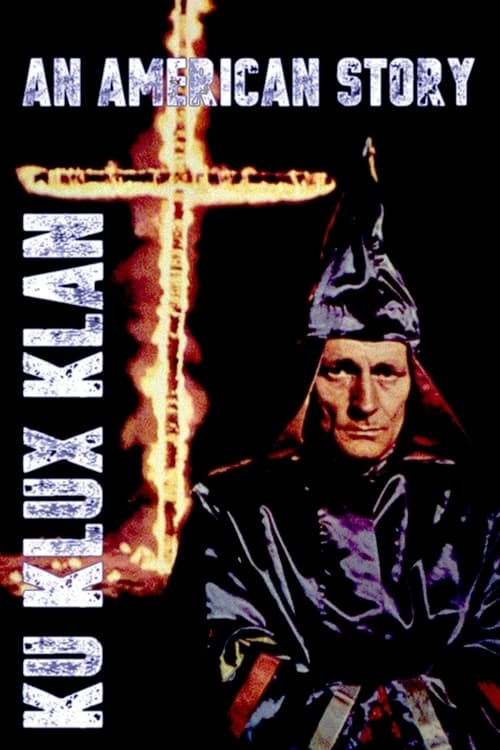
"Ku Klux Klan: An American Story" begins with a historical overview of the Ku Klux Klan's origins in the post-Civil War United States. The documentary sets the stage by explaining the social and political climate of the time, highlighting the Klan's emergence as a response to the Reconstruction era and the perceived threats to white supremacy. Archival footage and photographs are interspersed with expert commentary, providing context for the Klan's formation and its early activities.
The narrative then shifts to the 1920s, a pivotal decade for the Klan, showcasing its resurgence and expansion across the country. The film details how the Klan capitalized on the social upheaval of the time, using propaganda to attract new members. Interviews with historians reveal the Klan's tactics, including public rallies and parades, which were designed to instill fear and assert dominance in communities. The emotional fervor of Klan members is depicted through reenactments and personal testimonies, illustrating their motivations rooted in a desire for power and control.
As the documentary progresses, it delves into the Klan's influence on American politics, particularly during the 1920s when it gained significant political power in various states. The film highlights key figures within the Klan, including leaders who played crucial roles in its operations. The internal dynamics of the organization are explored, revealing the complexities of loyalty, ambition, and the drive for recognition among its members.
The narrative then transitions to the civil rights movement of the 1960s, showcasing the Klan's violent response to the push for racial equality. The film presents harrowing accounts of Klan-led attacks on civil rights activists, including bombings and lynchings. Eyewitness testimonies and archival footage of protests illustrate the intense conflict between Klan members and civil rights advocates. The emotional weight of these events is palpable, as the documentary captures the fear and determination of those fighting against systemic racism.
In a significant turn, the film introduces individuals who have left the Klan, providing insight into their motivations for leaving the organization. These former members share their personal journeys, detailing the disillusionment they experienced and the impact of their past actions on their lives. Their stories serve as a counter-narrative to the Klan's ideology, emphasizing themes of redemption and the possibility of change.
The documentary culminates in a contemporary examination of the Klan's legacy and its ongoing presence in American society. The film highlights the resurgence of hate groups in recent years, drawing parallels between past and present. Interviews with activists and scholars underscore the importance of confronting this history to understand the current landscape of racism and extremism in the United States.
Throughout the film, the emotional tone shifts between historical reflection, personal testimony, and a call to awareness. The documentary concludes by emphasizing the need for vigilance against hate and the importance of remembering the past to prevent its repetition. The final scenes juxtapose images of Klan rallies with those of modern protests for racial justice, leaving viewers with a stark reminder of the ongoing struggle against hate and division.







What is the ending?
In the ending of "Ku Klux Klan: An American Story," the documentary culminates in a powerful confrontation between the Klan members and the community they have targeted. The film highlights the personal journeys of several individuals involved, showcasing their struggles with identity, belief, and the consequences of their actions. Ultimately, the film leaves viewers with a stark reminder of the impact of hate and the importance of confronting it.
As the final scenes unfold, we see a gathering of Klan members preparing for a rally. The atmosphere is tense, filled with a mix of anticipation and fear. The camera captures the faces of the participants, revealing a range of emotions from pride to uncertainty. Among them is a central figure, who has been portrayed throughout the documentary as a staunch believer in the Klan's ideology. His internal conflict becomes palpable as he grapples with the reality of the hate he has been promoting.
The scene shifts to the community's response, where activists and local residents gather to counter the Klan's message. The contrast between the two groups is stark; the Klan members are clad in their traditional robes, while the counter-protesters wear bright colors and carry signs advocating for love and unity. The tension escalates as both sides confront each other, and the emotional stakes rise. The camera captures the fear and anger on both sides, emphasizing the deep divisions within society.
As the rally progresses, the main character from the Klan begins to question his beliefs. He witnesses the resilience of the counter-protesters and the love they express for one another, which stands in stark contrast to the hate he has been a part of. This moment of realization is pivotal; the internal struggle he faces is evident as he begins to understand the consequences of his actions and the pain they have caused.
In the climax of the film, a confrontation occurs between the Klan members and the community. The tension reaches a boiling point, and the police are called in to maintain order. The chaos that ensues serves as a visual representation of the conflict between hate and love, fear and acceptance. The main character's emotional turmoil is laid bare as he witnesses the impact of the Klan's ideology on both sides.
As the dust settles, the film concludes with a reflection on the fates of the main characters. The Klan member, who once stood firm in his beliefs, is left questioning his identity and the path he has chosen. The community members, on the other hand, emerge with a renewed sense of purpose, united in their fight against hate. The documentary ends on a somber note, reminding viewers of the ongoing struggle against racism and the importance of confronting such ideologies head-on.
In summary, the ending of "Ku Klux Klan: An American Story" serves as a poignant reminder of the personal and societal battles against hate, showcasing the emotional journeys of those involved and the lasting impact of their choices.
Is there a post-credit scene?
"Ku Klux Klan: An American Story," produced in 2020, does not feature a post-credit scene. The documentary series concludes its narrative without additional scenes or content after the credits roll. The focus remains on the historical context and personal stories shared throughout the episodes, providing a comprehensive look at the impact of the Ku Klux Klan in American society. The series wraps up with a poignant reflection on the ongoing issues of racism and hate, leaving viewers with a sense of the continuing relevance of the themes discussed.
What key events led to the resurgence of the Ku Klux Klan in the 1920s as depicted in the series?
The series illustrates the Klan's resurgence in the 1920s through a combination of social unrest, economic instability, and the aftermath of World War I. It highlights how the Klan capitalized on fears of immigration and changing social norms, using propaganda and public rallies to attract new members. The emotional fervor of the time is captured through scenes of community gatherings where Klan leaders appeal to a sense of American identity and racial purity.
How does the series portray the internal conflicts within the Klan regarding its leadership?
The series delves into the power struggles among Klan leaders, showcasing characters like Hiram Evans and Edward Young Clarke. Tensions arise as they vie for control over the organization, with Evans advocating for a more mainstream approach while Clarke pushes for a more radical agenda. The emotional stakes are high, as personal ambitions clash with the Klan's overarching goals, leading to betrayals and shifting alliances that are depicted in tense, dramatic confrontations.
What role does the character of D.C. Stephenson play in the Klan's narrative within the series?
D.C. Stephenson is portrayed as a charismatic yet deeply flawed leader whose rise within the Klan symbolizes both its power and its vulnerabilities. His manipulation of the Klan's image and his eventual downfall due to scandal and criminal behavior serve as a critical turning point in the series. The emotional weight of his character is felt through his initial confidence and later desperation as he faces the consequences of his actions, reflecting the fragility of the Klan's influence.
How does the series depict the Klan's relationship with law enforcement and government officials?
The series illustrates a complex relationship between the Klan and law enforcement, showing how some officials were complicit in the Klan's activities while others sought to combat its influence. Key scenes depict Klan members meeting with local politicians, highlighting the intertwining of power and corruption. The emotional tension is palpable as characters navigate their loyalties, with some grappling with moral dilemmas while others embrace the Klan's ideology, leading to a chilling portrayal of systemic racism.
What specific events are highlighted to show the Klan's impact on African American communities?
The series highlights several harrowing events that showcase the Klan's violent impact on African American communities, including lynchings and intimidation tactics. These scenes are depicted with stark emotional intensity, focusing on the fear and trauma experienced by individuals and families. The narrative captures the resilience of the affected communities, illustrating their struggles against oppression and their fight for justice, which adds a profound layer of emotional depth to the story.
Is this family friendly?
"Ku Klux Klan: An American Story," produced in 2020, is not considered family-friendly due to its exploration of themes related to racism, hate groups, and violence. The documentary includes potentially objectionable or upsetting scenes and aspects such as:
-
Historical Footage of Violence: The series features archival footage that depicts acts of violence and intimidation associated with the Ku Klux Klan, which can be disturbing.
-
Hate Speech: There are instances of hate speech and derogatory language that reflect the ideology of the Klan, which may be upsetting for viewers.
-
Interviews with Klan Members: The documentary includes interviews with current and former Klan members, revealing their beliefs and motivations, which can be unsettling.
-
Racial Injustice: The series addresses historical and contemporary racial injustices, including lynchings and systemic racism, which may be distressing for sensitive viewers.
-
Emotional Testimonies: Personal stories from individuals affected by Klan violence and racism can evoke strong emotional responses.
Due to these elements, the series is more suitable for mature audiences who can engage with its heavy themes critically.