



Popular
What are the key events that lead to Hitler's rise in power during the series?
How does the series portray the relationship between Hitler and his inner circle?
What role does propaganda play in Hitler's strategy as depicted in the show?
How does the series depict the impact of World War II on civilian life in Germany?
What are the significant turning points in Hitler's military strategy as shown in the series?
Should I watch it?
Ask Your Own Question

What is the plot?
"Apocalypse: Hitler Takes on the West" begins with a depiction of the early years of Adolf Hitler's rise to power in Germany. The narrative opens in the aftermath of World War I, showcasing the socio-economic turmoil in Germany. Young Hitler, portrayed as a struggling artist, is shown grappling with his failures and the humiliation of the Treaty of Versailles. This sets the stage for his growing resentment towards the Allied powers and his fervent nationalism.
As Hitler becomes involved with the German Workers' Party, the film illustrates his charismatic speeches that draw crowds. The internal dynamics of the party are explored, highlighting the tensions between Hitler and other leaders. His ambition becomes evident as he maneuvers to take control, ultimately leading to the rebranding of the party into the National Socialist German Workers' Party (NSDAP). The film captures the fervor of his early rallies, filled with passionate supporters and the ominous undercurrents of his ideology.
The narrative then shifts to the Beer Hall Putsch in 1923, where Hitler attempts to seize power in Munich. The scene is tense, filled with the chaotic energy of the crowd as Hitler and his followers confront the police. The failed coup results in his arrest, and the film portrays his time in prison, where he writes "Mein Kampf." This period is marked by introspection and the crystallization of his ideas about race and power.
Upon his release, the film depicts Hitler's strategic shift towards gaining power through legal means. The Great Depression serves as a backdrop, exacerbating the economic struggles of the German populace. Hitler capitalizes on this by delivering powerful speeches that resonate with the disillusioned citizens. The film shows the increasing support for the Nazi Party, culminating in the 1932 elections where they become the largest party in the Reichstag.
In a pivotal moment, the film details the backroom political maneuvering that leads to Hitler being appointed Chancellor in January 1933. The scene is filled with tension as political leaders underestimate his ambitions. Once in power, Hitler quickly consolidates his control, using the Reichstag Fire as a pretext to push through the Reichstag Fire Decree, which suspends civil liberties and allows for the arrest of political opponents.
The narrative progresses to the Night of the Long Knives in 1934, where Hitler eliminates potential rivals within the Nazi Party, including Ernst Röhm. The film depicts the brutal efficiency of the SS as they carry out the purges, showcasing the internal power struggles and Hitler's ruthless determination to maintain control. This event solidifies his power and instills fear among his adversaries.
As the story unfolds, the film explores Hitler's foreign policy ambitions, including the remilitarization of the Rhineland and the annexation of Austria. Each event is portrayed with a sense of impending doom, as Hitler's aggressive actions go largely unchecked by other nations. The film captures the tension in Europe, with leaders like Neville Chamberlain and Édouard Daladier grappling with the threat posed by Hitler.
The narrative reaches a critical juncture with the Munich Agreement in 1938, where Britain and France concede to Hitler's demands regarding Czechoslovakia in a bid to avoid war. The film illustrates the betrayal felt by Czechoslovak leaders and the growing confidence of Hitler, who sees this as a validation of his expansionist policies.
World War II officially begins with the invasion of Poland in September 1939. The film depicts the swift and brutal tactics of the Blitzkrieg, showcasing the chaos and destruction wrought upon Polish cities. The emotional weight of the invasion is felt through the eyes of civilians caught in the crossfire, highlighting the human cost of Hitler's ambitions.
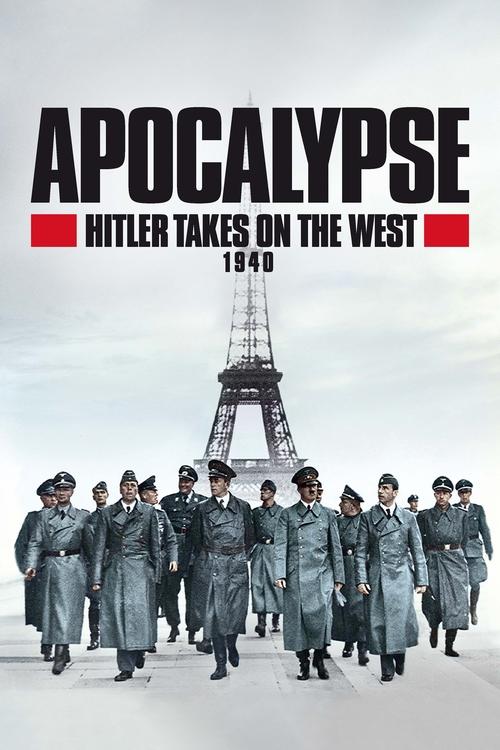
As the war progresses, the film details key battles and strategic decisions made by Hitler, including the invasion of France in 1940. The rapid fall of France is portrayed with a sense of disbelief among Allied leaders, as Hitler's military strategies prove effective. The film captures the moment of triumph for Hitler, as he stands in Paris, symbolizing his dominance over Europe.
However, the narrative also begins to show the cracks in Hitler's facade as he faces setbacks, particularly with the invasion of the Soviet Union in 1941. The film portrays the initial successes of Operation Barbarossa, but as winter sets in, the harsh conditions and fierce Soviet resistance begin to turn the tide. The emotional strain on Hitler is palpable, as he grapples with the realities of a prolonged war.
The film culminates in the final years of the war, showcasing the Allied advances and the mounting pressure on Germany. Hitler's mental state deteriorates, depicted through scenes of paranoia and isolation in his bunker. The film captures the desperation of his final decisions, including the refusal to retreat and the insistence on holding ground at all costs.
In the final moments, as the Allies close in on Berlin, the film portrays the chaos and despair within the Nazi regime. Hitler's last days are marked by a sense of inevitability, leading to his suicide in April 1945. The film concludes with the aftermath of his death, showing the collapse of the Third Reich and the profound impact of his actions on the world. The emotional weight of the narrative leaves viewers with a stark reminder of the consequences of totalitarianism and war.







What is the ending?
In the ending of "Apocalypse: Hitler Takes on the West," the narrative culminates in a tense standoff as the Allies close in on Berlin. Hitler's desperation grows as he realizes the inevitable defeat. The final scenes depict the chaos of the crumbling Third Reich, leading to Hitler's suicide in his bunker. The remaining characters face their own fates, with some escaping, while others are captured or killed.
As the story unfolds in the final act, the atmosphere in Berlin is thick with tension. The once-mighty city is now a shadow of its former self, ravaged by relentless bombings and the encroaching Allied forces. The camera pans through the streets, showing the devastation: crumbling buildings, smoke rising into the sky, and the sounds of distant explosions echoing through the air.
Scene by scene, we witness the unraveling of Hitler's regime. In the bunker, Hitler is increasingly isolated, surrounded by a small group of loyalists who are visibly shaken by the turn of events. His face is gaunt, eyes sunken, reflecting the weight of his impending doom. He rants about betrayal and the need for a final stand, but the desperation in his voice betrays his fear. Eva Braun, his long-time companion, stands by him, torn between loyalty and the grim reality of their situation.
As the Allies breach the city, the atmosphere grows more frantic. The camera shifts to the streets where German soldiers, once proud, now look disheartened and defeated. They are caught between their duty and the realization that the war is lost. The emotional turmoil is palpable as they grapple with their loyalty to a failing regime.
In a pivotal moment, Hitler gathers his inner circle for one last meeting. He delivers a fervent speech, attempting to rally their spirits, but the room is filled with doubt. The expressions of his generals reveal their internal conflict; they are aware that the end is near, yet they cling to the hope of a miracle. The tension escalates as they argue about their next steps, showcasing the fractures within the Nazi leadership.
As the Allies continue their advance, the bunker becomes a claustrophobic prison. Hitler's paranoia intensifies, leading him to suspect even his closest allies. The atmosphere is thick with despair, and the once-mighty Führer is reduced to a man clinging to delusions of grandeur. In a moment of chilling clarity, he decides that he cannot face the humiliation of capture.
In the final scenes, as the sounds of gunfire and chaos erupt outside, Hitler and Eva Braun make their tragic decision. The camera captures their final moments together, a mix of love and despair as they prepare to end their lives. The scene is hauntingly intimate, contrasting the chaos outside with the quiet resolution within the bunker.
As the screen fades to black, we see the aftermath of their choices. The remaining loyalists are left to grapple with the fallout of their allegiance. Some attempt to escape, while others are captured by the advancing Allies. The fate of these characters varies: some are tried for war crimes, while others vanish into obscurity, haunted by the memories of their actions.
The final moments of the series leave viewers with a stark reminder of the consequences of blind loyalty and the devastating impact of war. The characters, once powerful figures, are reduced to mere shadows of their former selves, illustrating the tragic end of a regime built on fear and oppression.
Is there a post-credit scene?
In the TV show "Apocalypse: Hitler Takes on the West," there is no post-credit scene. The series concludes its narrative without additional content after the credits, focusing instead on the intense and dramatic events leading up to the final moments of the storyline. The show wraps up its themes and character arcs within the main episodes, leaving viewers with a sense of closure regarding the historical events and the characters' fates.
What are the key events that lead to Hitler's rise in power during the series?
The series meticulously details Hitler's early political maneuvers, including his strategic alliances with influential figures and the exploitation of economic turmoil in post-World War I Germany. It showcases pivotal moments such as the Beer Hall Putsch, where Hitler's ambition is laid bare, and the subsequent rise of the Nazi Party, emphasizing his charismatic oratory and manipulation of public sentiment.
How does the series portray the relationship between Hitler and his inner circle?
The series delves into the complex dynamics between Hitler and his closest advisors, such as Heinrich Himmler and Joseph Goebbels. It highlights their loyalty, ambition, and the power struggles that ensue, particularly as they navigate the moral dilemmas of their actions. Emotional tension is palpable as personal ambitions clash with Hitler's vision, leading to moments of both camaraderie and betrayal.
What role does propaganda play in Hitler's strategy as depicted in the show?
Propaganda is depicted as a crucial tool in Hitler's arsenal, with the series illustrating how Goebbels crafts a narrative that glorifies the Nazi regime while demonizing its enemies. Key scenes show the production of films and rallies designed to manipulate public perception, showcasing the emotional impact on the German populace and the chilling effectiveness of their messaging.
How does the series depict the impact of World War II on civilian life in Germany?
The series poignantly portrays the devastating effects of World War II on German civilians, illustrating the fear, rationing, and moral compromises they face. Scenes depict families torn apart by the war, the struggle for survival amidst bombings, and the psychological toll of living under a totalitarian regime, capturing the despair and resilience of the human spirit.
What are the significant turning points in Hitler's military strategy as shown in the series?
The series outlines critical military decisions made by Hitler, such as the invasion of Poland and the subsequent Operation Barbarossa. It emphasizes his initial successes and the overconfidence that leads to catastrophic miscalculations, particularly during the harsh winter in Russia. The emotional weight of these decisions is explored through the perspectives of both military leaders and soldiers on the front lines.
Is this family friendly?
"Apocalypse: Hitler Takes on the West" is a historical drama that delves into the events of World War II and the impact of Adolf Hitler's regime. Given its subject matter, the show is not considered family-friendly.
Potentially objectionable or upsetting aspects include:
-
Graphic Violence: The series depicts battles, military strategies, and the brutal realities of war, which may include scenes of combat and injuries.
-
Historical Atrocities: The show addresses the Holocaust and other war crimes, portraying the suffering of millions, which can be distressing.
-
Dark Themes: The narrative explores themes of tyranny, oppression, and the moral complexities of war, which may be heavy for younger viewers.
-
Intense Emotional Scenes: Characters experience loss, betrayal, and despair, which can evoke strong emotional responses.
-
Mature Language: The dialogue may include strong language or terms reflective of the era's harsh realities.
Due to these elements, the show is likely to be upsetting for children and sensitive viewers.